

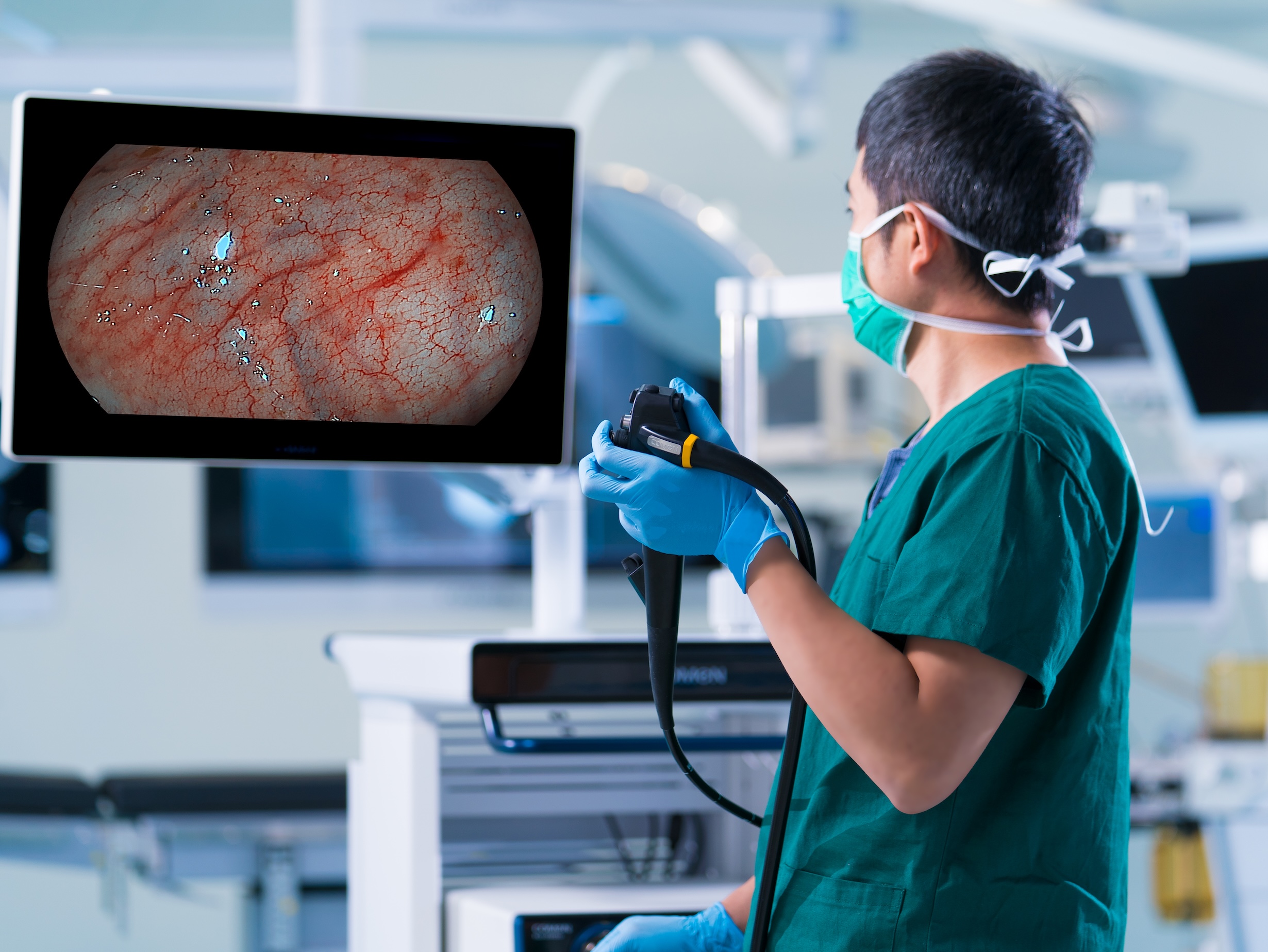
The Problem: Why modern suites still struggle with image quality and workflow
I remember walking into a late-afternoon endoscopy list at St. Thomas Hospital in London back in 2019 — the team was behind by three hours after repeat insertions and unclear findings. Early in that day I recommended swapping to a video colonoscope that promised sharper optics, but the operational realities exposed deeper flaws. In a busy endoscopy unit treating 22–28 patients daily, a documented 12% repeat-procedure rate erodes capacity — what do we do about that? Endoscope imaging problems are rarely just about pixels; they show up as longer lists, stressed staff, and dissatisfied patients.
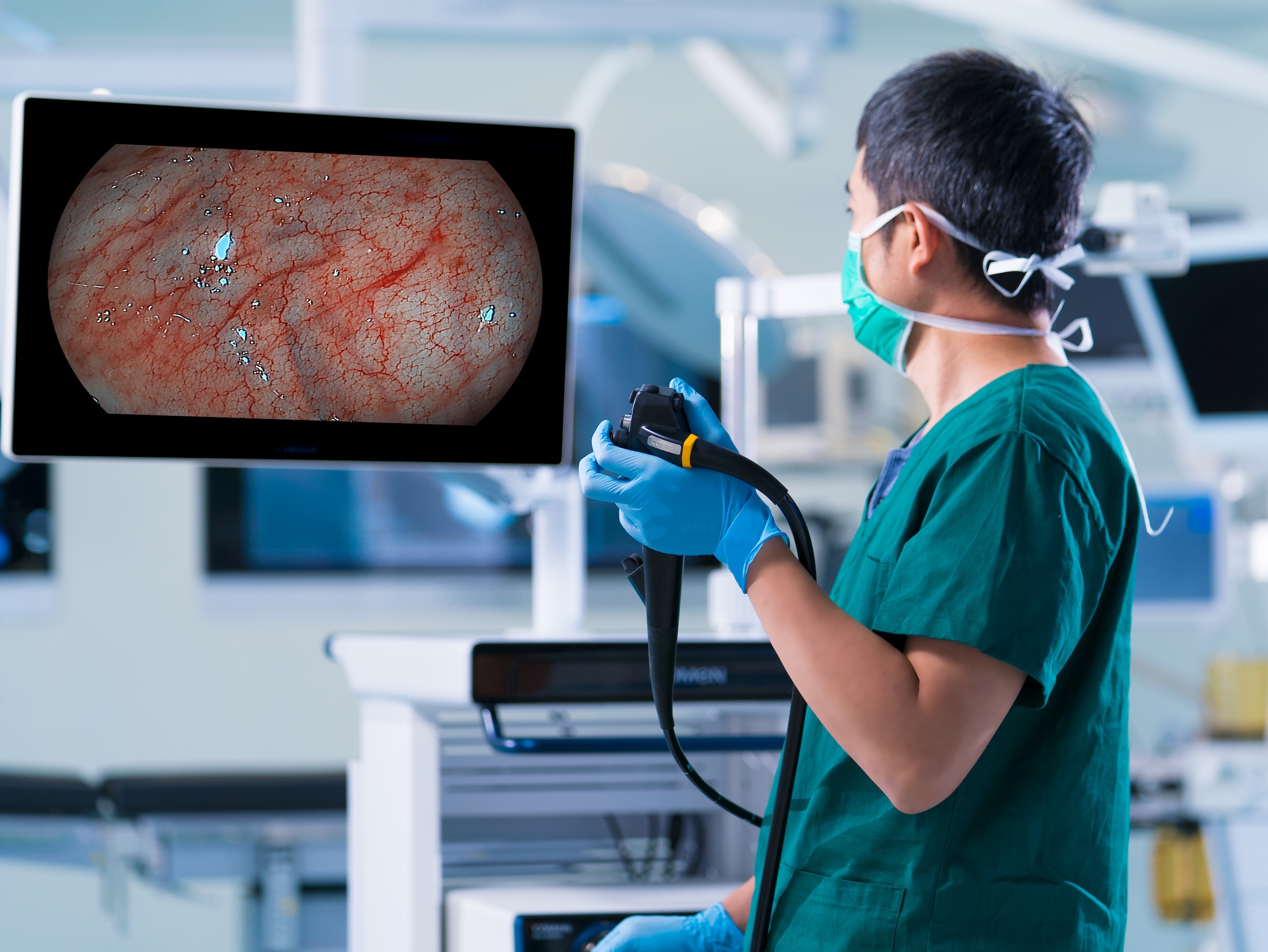
From my perspective (over 18 years in medical imaging procurement and clinical consultancy), the recurring issues fall into two fault lines: device-level limitations and workflow mismatches. Manufacturers tout high-definition sensors and advanced image processors, yet ergonomic hiccups — heavy scopes, stiff insertion tubes — and congested accessory setups (think biopsy channel clogs, inconsistent LED illumination) still force technicians to improvise. I’ve seen a mid-size NHS trust in Manchester reduce procedure time by eight minutes per case simply by choosing a scope with a lighter insertion tube and a smoother angulation mechanism; that translated to measurable throughput—no kidding. This is the problem-driven core: better optics do not automatically equal better outcomes; hidden user pain points matter. — Next, I’ll map how to compare options without getting lost in specs.
What’s the real bottleneck?
Comparative insight: forward-looking criteria for selecting a video colonoscope
I’ll be blunt: the best immediate win has nothing to do with a single headline spec. Choosing a video colonoscope demands balancing optical performance with real-world ergonomics and serviceability. In procurement meetings I lead, we rank systems by three practical axes — clinical clarity, procedural ergonomics, and lifecycle cost — and we test all three under simulated lists. A bold claim: a system that optimizes the biopsy channel routing and uses a modern optical sensor can cut average procedure disruptions by half when supported by staff training. This is not theoretical; in a pilot run at a private clinic in 2021, a targeted swap (new scope + updated image processor) lowered incomplete polyp documentation from 7% to 1.8% within two months.
Compare features side-by-side: LED illumination uniformity is great, but how quickly does the lamp warm up between cases? Does the image processor offer real-time noise reduction without latency? Can the scope withstand aggressive reprocessing cycles? These are concrete evaluation points. I also urge teams to run a day-long usability trial on their own lists — bring your actual trays, your washers, your nurses. Short trials expose the hidden frictions: connector stiffness, accessory misalignment, or even the learning curve for new image enhancement modes. (We did exactly that in June 2020 at a district hospital and caught a recurring flush-valve issue before full deployment.)
What’s Next?
Actionable takeaways — three metrics to guide your purchase
As a consultant who has negotiated dozens of deployments, I recommend assessing potential systems using these three measurable metrics: first, effective throughput gain — measure average procedure time change across 30 consecutive cases; second, diagnostic completeness — percentage of cases with adequate mucosal documentation and successful biopsy sampling; third, total cost of ownership — include service calls, reprocessing wear, and downtime hours per year. These metrics translate talk into decisions. Try them. Pause. Then test again. You’ll avoid chasing glossy specs that don’t solve day-to-day pain. Interruptions happen — we account for them — and that clarity leads to smarter choices.
My closing note: choose systems that respect both image fidelity (optical sensor, image processor) and the clinicians who use them (ergonomics, biopsy channel reliability). For teams ready to move, start with a focused pilot and insist on those three metrics above. If you want a reliable partner in that process, consider discussing real-world deployments with COMEN — I’ve worked alongside similar suppliers and found that practical collaboration matters as much as tech claims.
