

Practical framing: compare what matters first
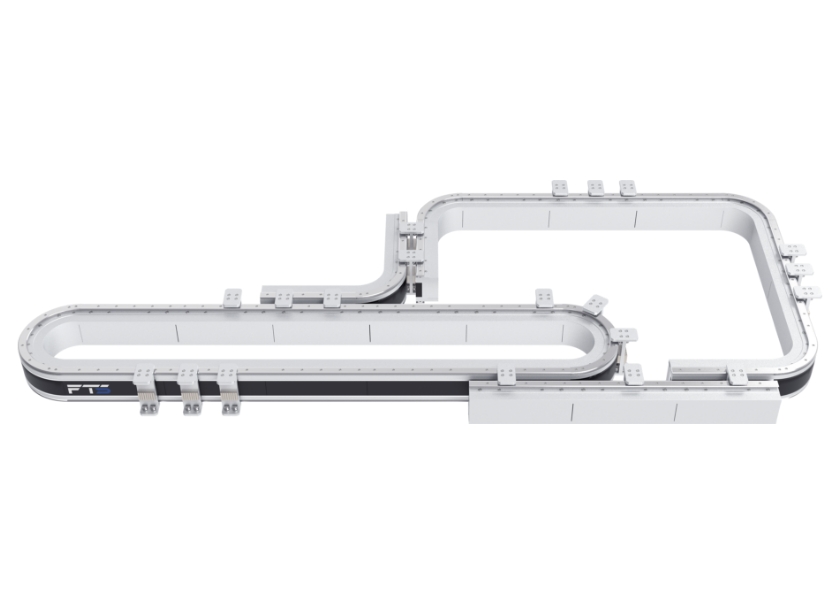
Start by lining up the options on measurable points: cycle time, yield, footprint, and control complexity. Deciding between manual, hybrid and fully automated lines often comes down to whether you need an intelligent conveyor system for steady material flow or deeper transfer system automation to synchronise robot cells and test stations. Engineers at trade shows such as Hanover Messe regularly show how different transfer topologies change throughput predictions, so treat demonstrations as technical reference rather than marketing claims.

Core criteria to compare
Compare candidate lines against five concrete criteria. Use these to score suppliers and layouts objectively:- Throughput and takt time: required cells per hour, module assembly cycles, pack finalisation cadence.- Yield and rework tolerance: inline inspection points, test repeatability, and containment strategy for defective units.- Flexibility: how quickly the line adapts to new cell lengths, tab patterns or module variants.- Footprint and utilities: floor area, ceiling height, power, compressed air and cooling needs.- Integration complexity: PLC/SCADA standard, MES hooks, and whether robots, vision and conveyors share deterministic timing.
Automation spectrum: simple trade-offs
Compare three practical archetypes to match investment and output needs:- Manual or largely manual: low capital, high labour input, easiest to change. Good for prototyping or low-volume pilot runs.- Hybrid (pick-and-place with manual stations): balanced CAPEX, improved repeatability, moderate uptime demands. Suits moderate volumes and lines evolving to automation.- Fully automated line with transfer systems: highest CAPEX, best reproducibility and throughput, needs strong controls engineering and planned maintenance. Choose this when continuous, high-yield output is non-negotiable.
Transfer system specifics that change the decision
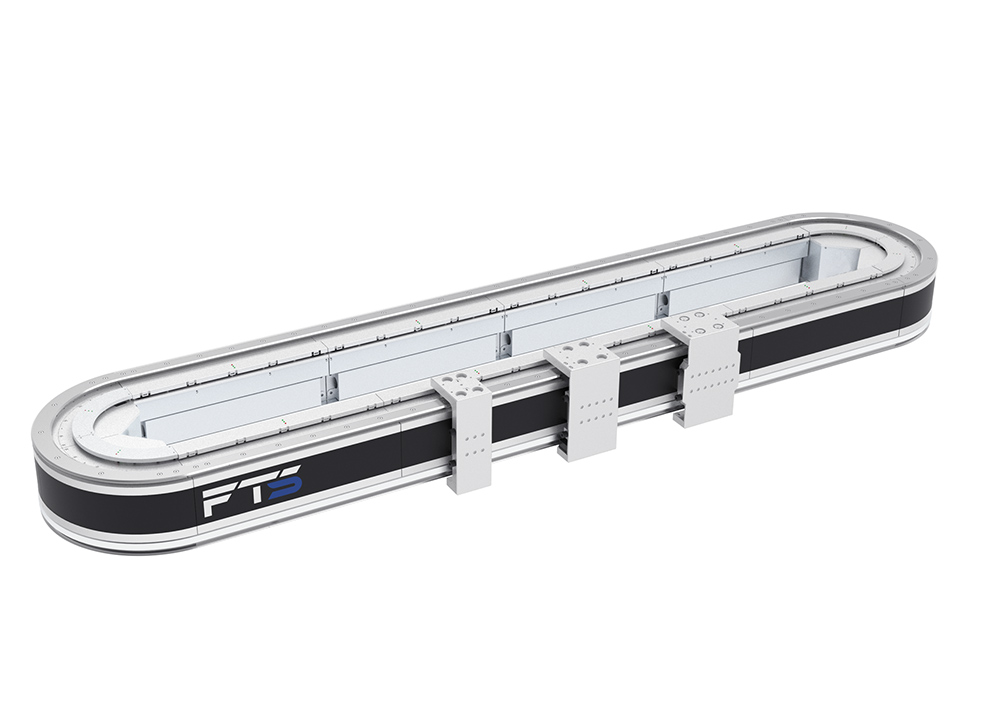
Not all conveyors and transfer devices are equal. Key differences that change performance:- Linear versus rotary transfer: linear suits longer blade cells and continuous indexing; rotary can compact high-speed indexing into small footprints.- Gripper design and kinematics: direct-contact grippers reduce slip but need more careful cell handling; vacuum or magnetic alternatives can be gentler for some chemistries.- Synchronisation method: fixed-time indexing is simple; servo-driven, position-synchronised transfer requires a stronger controls stack but reduces micro-stops.Ask for cycle diagrams and a timing breakdown. Suppliers that supply clear cycle-time breakdowns and deterministic control plans reveal practical experience rather than marketing gloss.
Traceability, testing and quality gates
Blade battery production demands traceability at cell, module and pack levels. Compare how each line implements:- Serialisation and barcode/RFID capture at input and final pack.- Inline electrical tests for internal resistance and open-circuit voltage, plus pressure and leak checks for packs.- Failure handling: automated reject conveyors, quarantined lanes and manual rework stations.A pragmatic procurement score ranks solutions by how they isolate faults without stopping the whole line.
Common pitfalls to avoid
Buyers repeat the same mistakes. Watch for these:- Choosing a high-speed transfer solution before proving upstream cell handling and feed reliability.- Underestimating maintenance access and spare-part logistics for bespoke transfer fixtures.- Accepting vague control responsibilities; confirm who supplies PLC code, HMI screens and MES integration.Demand layout mock-ups and maintenance simulations. If a supplier hesitates to show a realistic downtime plan, they’re hiding operational risk.
Practical evaluation checklist
Use this quick checklist during factory acceptance tests or vendor demos:- Are cycle-time assumptions backed by live demos or only simulation?- Can the transfer system be slowed to debug without halting upstream lines?- Is failure mode behaviour documented for every transfer and test station?- What’s the changeover time between battery variants, and are fixtures modular?- Who owns software updates and cybersecurity for the control stack?
Short comparative table (decision shortcuts)
Match business need to line type:- Low-volume R&D: manual line with modular benches and flexible fixtures.- Scaling pilot to production: hybrid line with modular transfer sub-systems and staged automation.- High-volume production: fully automated transfer system with deterministic servo control, inline testing and MES traceability.Choose the smallest step up that meets future volume and quality targets; over-automation early creates sunk costs and rigid processes.
Final synthesis
Compare specifics, not promises. Score candidates on throughput, yield control, transfer reliability, and realistic maintenance plans. Vendors that supply clear cycle-time breakdowns, documented failure handling and deterministic transfer logic demonstrate field experience and trustworthy engineering. Align the chosen topology with your variant mix and ramp plan so the line grows with production, not against it, and consider partners with proven transfer system designs—some of which are available from integrators such as FHS—to keep technical risk manageable while meeting output and quality targets.
