

Introduction — a legal framing and a question
Who bears the responsibility when a tool choice becomes the difference between routine maintenance and a costly incident? I ask this because the scenario is common: a confined pump room, a handful of technicians, and a permit that lists strict controls under the hazardous area code. Non sparking sockets are routinely specified in such permits (and rightly so), yet compliance alone does not guarantee safety. Recent incident reports show that improper tool selection or misuse contributes to a notable share of near‑misses—statistics that regulators now cite in guidance documents. Given that regulatory frameworks (ATEX, IECEx) and contract clauses assign clear duties, what practical steps should operators take to reduce risk without hampering productivity? I’ll outline the legal context briefly, then move into the operational gaps that actually trip teams up—so we can get to better choices fast. Next, I’ll examine the hidden pains that matter on the ground.
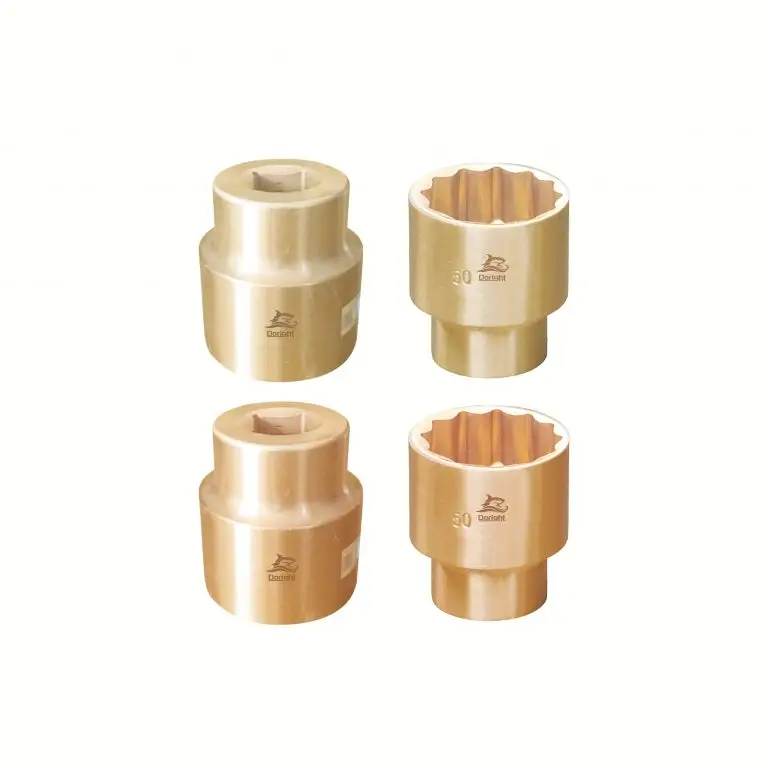
Hidden User Pain Points with the non spark socket
Technical definition first: a non spark socket is engineered from nonferrous, anti‑spark alloys to minimize ignition risk in flammable atmospheres. But here’s the practical trouble: I see crews struggle with fit, torque feedback, and tool ergonomics more than with material specs. Operators report that sockets made for “safety” often feel loose on fasteners, which leads to slippage and rework. That slippage increases exposure time in a hazardous area—a simple metric that matters more than alloy composition in many real jobs. Look, it’s simpler than you think: a socket that slips twice per task multiplies the exposure minutes across a shift.
Why do these pain points persist?
Several factors converge. First, suppliers emphasize ATEX certification and intrinsic safety in marketing but seldom address torque control or wear patterns on anti‑spark alloy faces—two practical details that affect usability. Second, maintenance programs rarely include periodic fit checks or replacement intervals for nonferrous sockets; as a result, worn sockets remain in circulation. Third, training focuses on high‑level compliance rather than on small‑scale ergonomics and handling tips (we skip the basics and then wonder why crews improvise). In short: certification is necessary but not sufficient. The terms I care about here are ATEX certification, intrinsically safe design, anti‑spark alloy, and torque control—each relevant, each often misunderstood. — funny how that works, right?
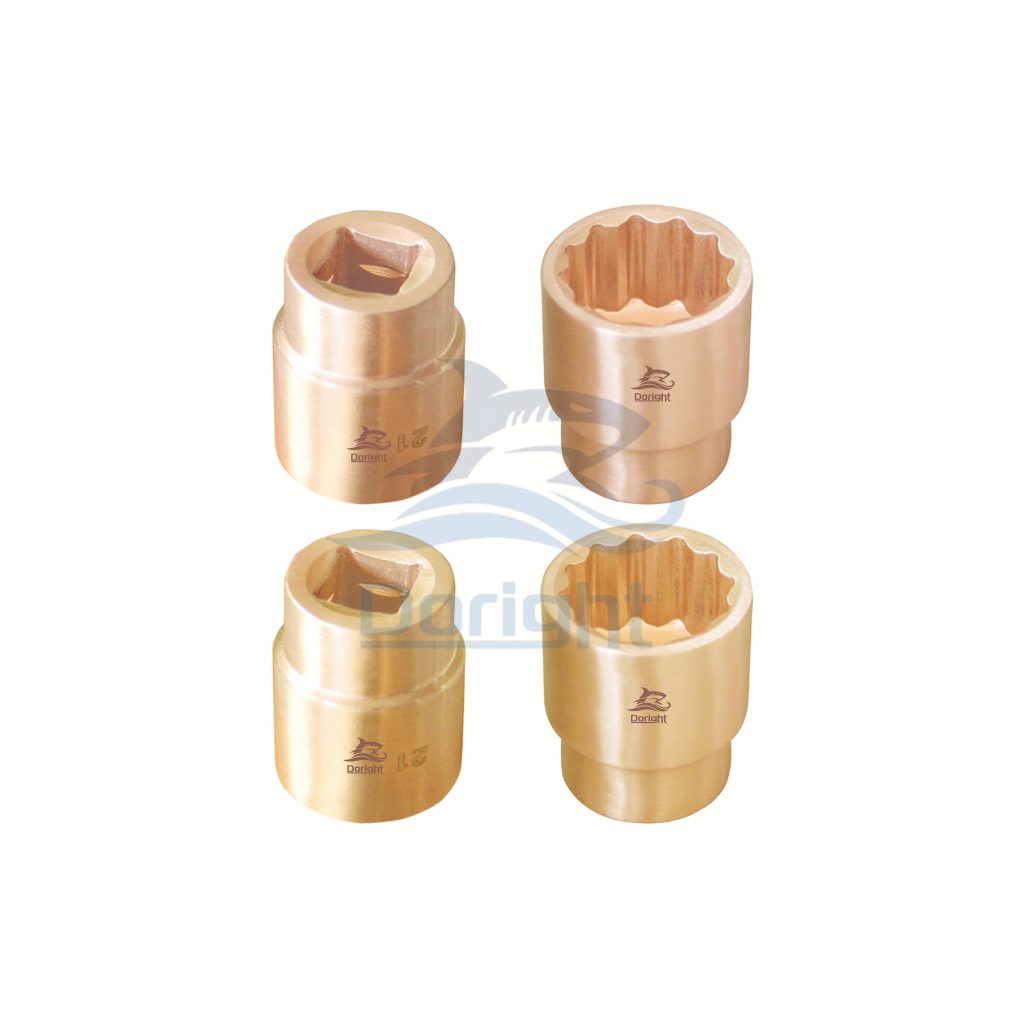
Future Outlook: case example and what to expect next
What’s next for tool safety in hazardous areas? I prefer to look at a short case example. On a recent overhaul, one team adopted an explosion-proof socket set that combined matched drive sizes with a documented replacement schedule and simple torque marks. The result: fewer stops for retightening, less time in the hot zone, and a measurable drop in hand injuries. That practical combination—hardware plus maintenance practice—gives a glimpse of the future: devices designed with human factors in mind, backed by clear lifecycle protocols.
What’s Next
Looking forward, I expect more integration of simple tech (barcode‑based inventory for tool life tracking, clear torque markings) and better field testing of anti‑spark alloys in real service conditions. Manufacturers will likely offer matched kits rather than single sockets, and maintenance teams will adopt short checklists to spot wear early. These changes won’t cost much but will reduce exposure time and error rates. I’ve seen it work; teams adapt quickly when the fix is obvious and the benefit is immediate—so adoption should accelerate.
Advisory close: three metrics I use when evaluating solutions
To finish, here are three metrics I recommend you use when choosing non‑sparking sockets or an explosion-proof socket set for your site: 1) Fit integrity under load — measure slippage rate at operational torque; 2) Lifecycle and wear interval — track hours until performance decline; 3) Ergonomic impact — record task time and fatigue reports. Use these measures together and you’ll spot the weak links quickly. I prefer simple tests you can run yourself rather than waiting for lab data. In practice, this approach reduces risk and keeps operations moving. — and yes, it feels good to see a real, measurable improvement.
For practical sourcing and tool kits I trust, see Doright.
