


Lead-in: Start with what matters to the sleeper
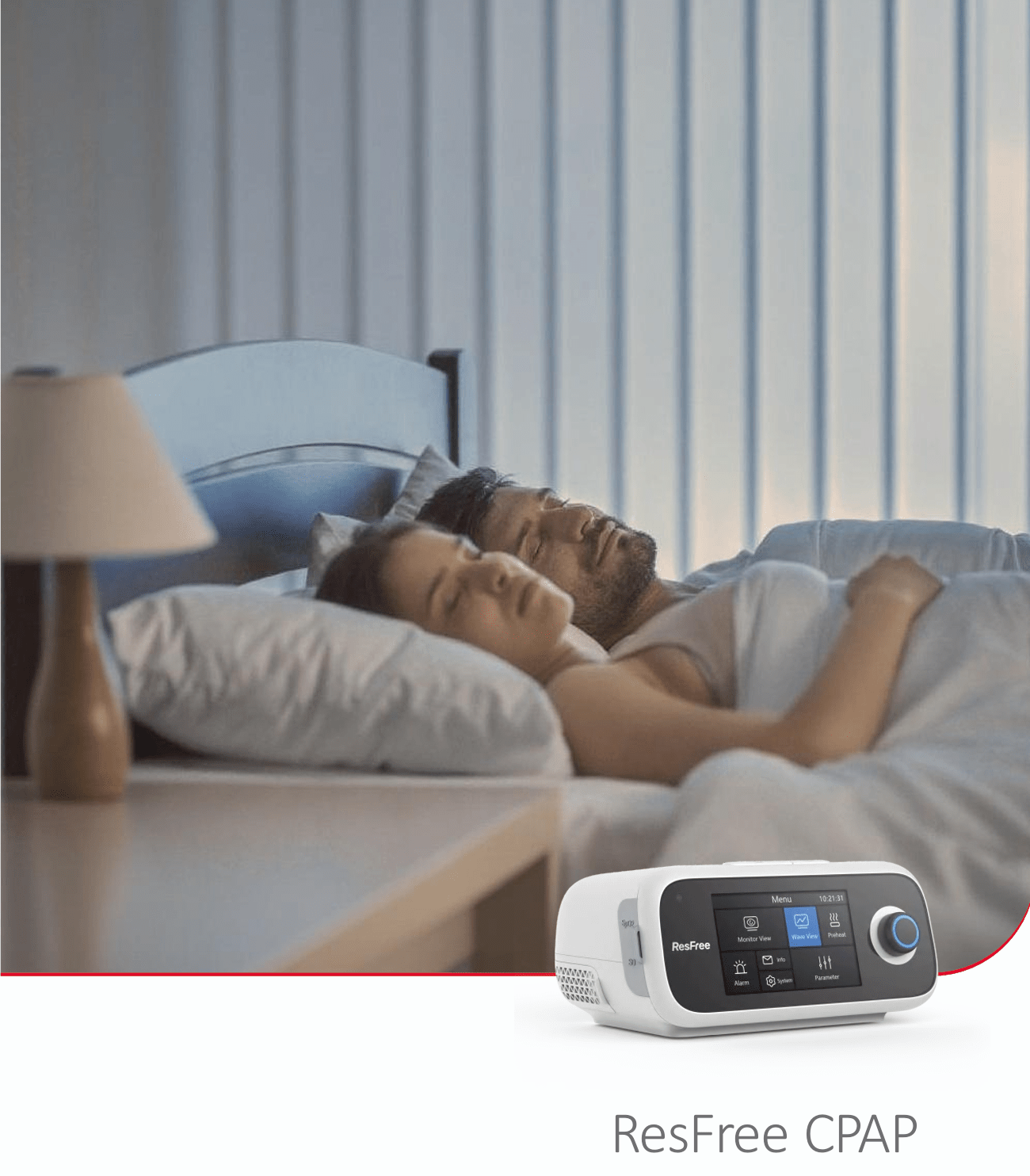
Choosing sleep therapy gear is a user problem: comfort, safety, and measurable outcomes. Start by matching daily habits and clinical need—then map features to those constraints. For many, a reliable cpap device solves airway collapse without overcomplication; for others, alternatives matter. This guide lays out pragmatic checks and trade-offs so a partner—clinician, caregiver, or product team—can specify equipment that actually gets used.

Assessing the user profile and clinical anchor
Begin with two anchors: diagnosis data and day-to-day tolerance. Use an AHI (apnea-hypopnea index) from a sleep study and a plain log of mask discomfort or nasal symptoms. The American Sleep Apnea Association estimates about 22 million Americans have sleep apnea, with many needing durable PAP therapy; that scale makes reliability non-negotiable. Note pressure settings prescribed, hydration issues that affect humidifier use, and whether the user needs ramp feature or auto-adjusting pressure during the night.
Key specs to prioritize
Focus on these mechanical and operational items. Prioritize mask seal and headgear fit first—no matter how advanced the motor, leaks ruin therapy. Next, review pressure range and stability; look for consistent flow sensor readings and low noise at therapeutic pressures. Humidifier integration matters for adherence, as do validated algorithms for auto-adjusting pressure. Finally, check serviceability: replaceable filters, firmware update paths, and clear maintenance intervals. Those are the technical levers that deliver safety and quality over time.
Common mistakes and how to avoid them
Teams and users make repeatable errors: overprescribing complexity, ignoring mask ergonomics, and skipping follow-up data review. Avoid those by standardizing a short trial period where adherence and residual AHI are measured. Don’t default to the most expensive model; select features driven by measured needs. – Allow the user to test mask types in a dedicated session, and log symptoms for a week before finalizing settings.
When BiPAP is the better partner
BiPAP matters when simple CPAP can’t control ventilation—patients with higher BMI, COPD overlap, or documented hypoventilation benefit. For such cases, evaluate inspiratory and expiratory pressure support, backup rate settings, and leak compensation. If you need a tool that supports pressure-targeted breaths and more complex ventilation, consider bipap for sleep apnea and plan for closer monitoring during titration.
Operational production teardown (concise)
When teams request a teardown, inspect motor assembly, turbine bearings, filter housings, and the humidifier chamber for service tolerances. Document noise decibels at 6 and 12 cm H2O, motor temperature rise over a 24-hour continuous cycle, and the mean time between failures for the blower module. In that operational production teardown note the labels {main_keyword} and {variation_keyword} in the parts list so procurement aligns with engineering revisions.
Alternatives and interoperability
Compare vendor ecosystems: warranty terms, parts availability, and remote monitoring capabilities. Interoperability with clinical software and secure data export are practical considerations for clinics and home-care services. If a lightweight travel unit is needed, accept trade-offs on humidification; if nocturnal oxygen supplementation is expected, verify ports and alarm logic. These specifics reduce surprises during deployment and improve adherence.
Summary of actionable checks
Pull the thread together: confirm prescribed pressure, verify mask fit, test humidifier settings, and log nightly AHI and leak values for two weeks. Use that data set to justify firmware or hardware changes. This small set of actions turns theoretical safety into measurable quality—clinical results, not promises.
Advisory: three golden rules for selecting the right device
1) Measure adherence and residual AHI before upgrading hardware; data should drive change. 2) Prioritize mask seal, ease of cleaning, and service intervals over bells and whistles—those elements determine long-term safety. 3) Require documented performance metrics from vendors: noise at therapeutic pressure, motor MTBF, and validated humidifier output across 12-hour cycles. Apply those three metrics consistently when evaluating proposals.
Byond brings those operational realities together, matching device performance to clinical need—robust parts, clear data, and field-tested reliability. –
