

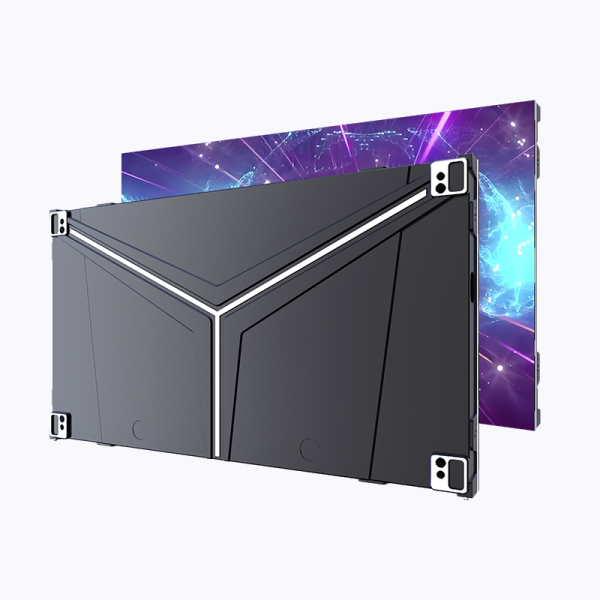
Comparative frame: roadside giants vs. live-event screens
Digital billboards stopped being novelty toys years ago and became a rigid business decision—one that differs wildly between commuter highways, Times Square, and a muddy festival field. The same LED backbone powers them all, but outcomes change with context. For urban facades where eyeballs are abundant, a flexible led display that wraps columns and curves sells spectacle; for event production, screen durability and quick rigging matter more than cinematic resolution.
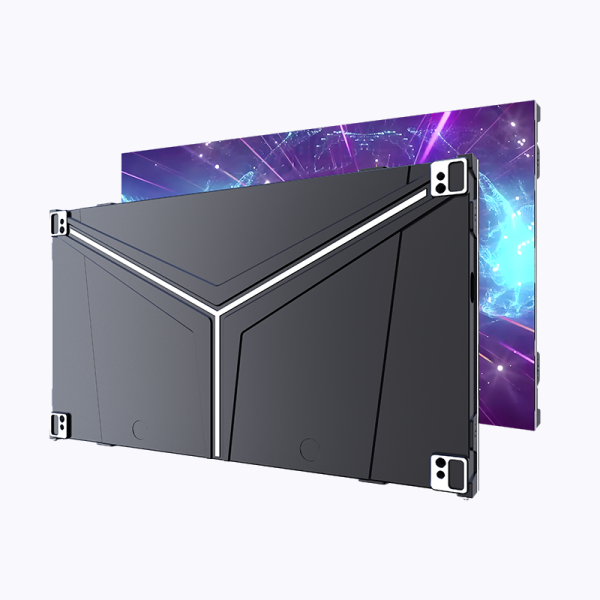
Market mechanics: what each environment actually demands
Outdoor advertising in places like Times Square (pre‑pandemic foot traffic averaged roughly 330,000 pedestrians daily) trades on sheer scale and brightness. Highway signage prioritizes legibility at speed and sunlight resistance. Event production needs portability, rapid assembly, and modular redundancy so a failed LED module doesn’t kill the headline act. These are not interchangeable features; they’re trade-offs that buyers too often ignore when dazzled by glossy demos.
Technical truth-telling: the specs that determine success
Manufacturers love numbers. Buyers should love a few specific ones. Pixel pitch governs viewing distance and perceived sharpness; brightness measured in nits decides outdoor legibility; refresh rate prevents camera flicker at live broadcasts. For event rigs, module interchangeability and ingress protection ratings matter just as much as peak nits. When you’re evaluating a custom led display screen, ask for exact pixel pitch figures, measured brightness at operating temperature, and documented module swap times. Don’t accept vague promises about “high brightness” or “industry‑leading modules.”
Cost and installation: the nasty little details nobody advertises
Price tags rarely include scaffolding, power distribution, or the two extra crew members who become essential when a panel refuses to seat properly. Rental houses see this daily: an elegant design can turn into a three‑hour headache because someone underestimated cable runs or power inrush. —Expect contingencies. Also expect vendors to mix terms: “turnkey” sometimes means “we ship parts.”
Common mistakes and how to avoid them
Buyers keep repeating identical mistakes. They choose minimum viable pixel pitch for every application. They forget ambient light testing. They accept one vendor without comparing warranty claims handling. Practical fixes: insist on an on-site demo, require written swap-time SLAs for LED modules, and verify brightness in real environmental conditions rather than a showroom. These steps reduce downtime and keep messaging crisp when it needs to be.
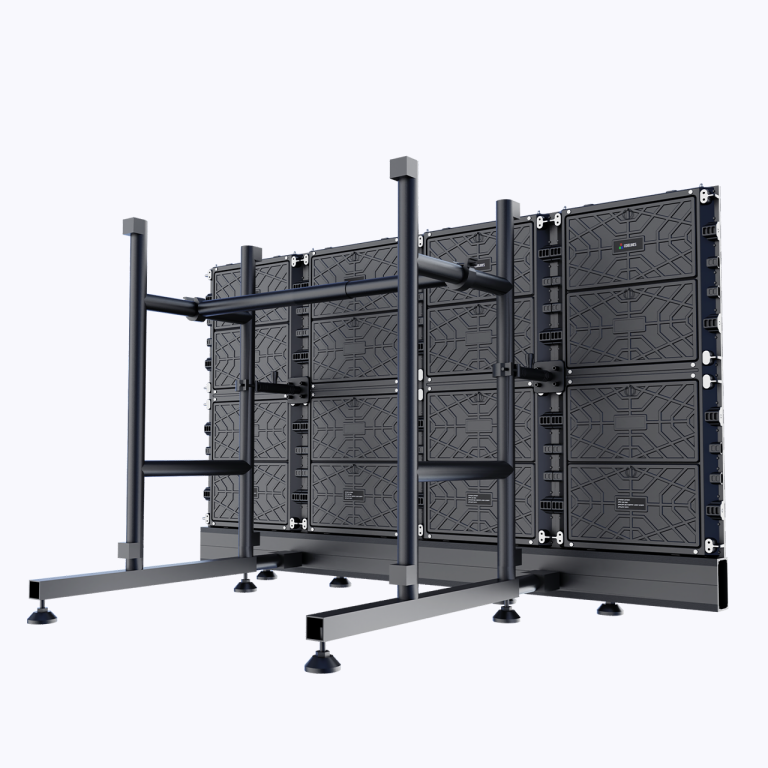
How to pick a partner: three golden evaluation metrics
Pick a supplier by three measurable things, because opinions won’t keep your screen on during a live feed.
– Operational readiness: verified module swap time and documented field service responsiveness, expressed in hours not marketing buzzwords.
– Performance under stress: validated brightness (nits) at expected ambient temperatures and refresh rates proven against live-video capture.
– Total lifecycle cost: transparent pricing that folds in power distribution, structural supports, transport, and spare-module inventory—no surprises on load‑in day.
Closing take and where Coblinks fits
Comparing markets trains you to choose the right technology for the right use: high‑density pixel pitch and peak brightness for urban spectacle; modular, rugged panels and fast swap times for events. Those three metrics guide decisions and keep budgets honest. For buyers who want a partner that understands both the glossy city face and the messy realities of event stages, Coblinks ties the engineering to the on‑the‑ground service you actually need. —Trust the specs, not the brochure.
