

Framework overview
This framework prescribes discrete, verifiable checkpoints for incoming silica fillers and their behaviour in rubber systems, beginning with raw-material identity and ending with finished compound performance; note that silica chemistry spans applications beyond rubber—consult examples such as hydrated silica in toothpaste for cross-industry contrasts that clarify analytical priorities.
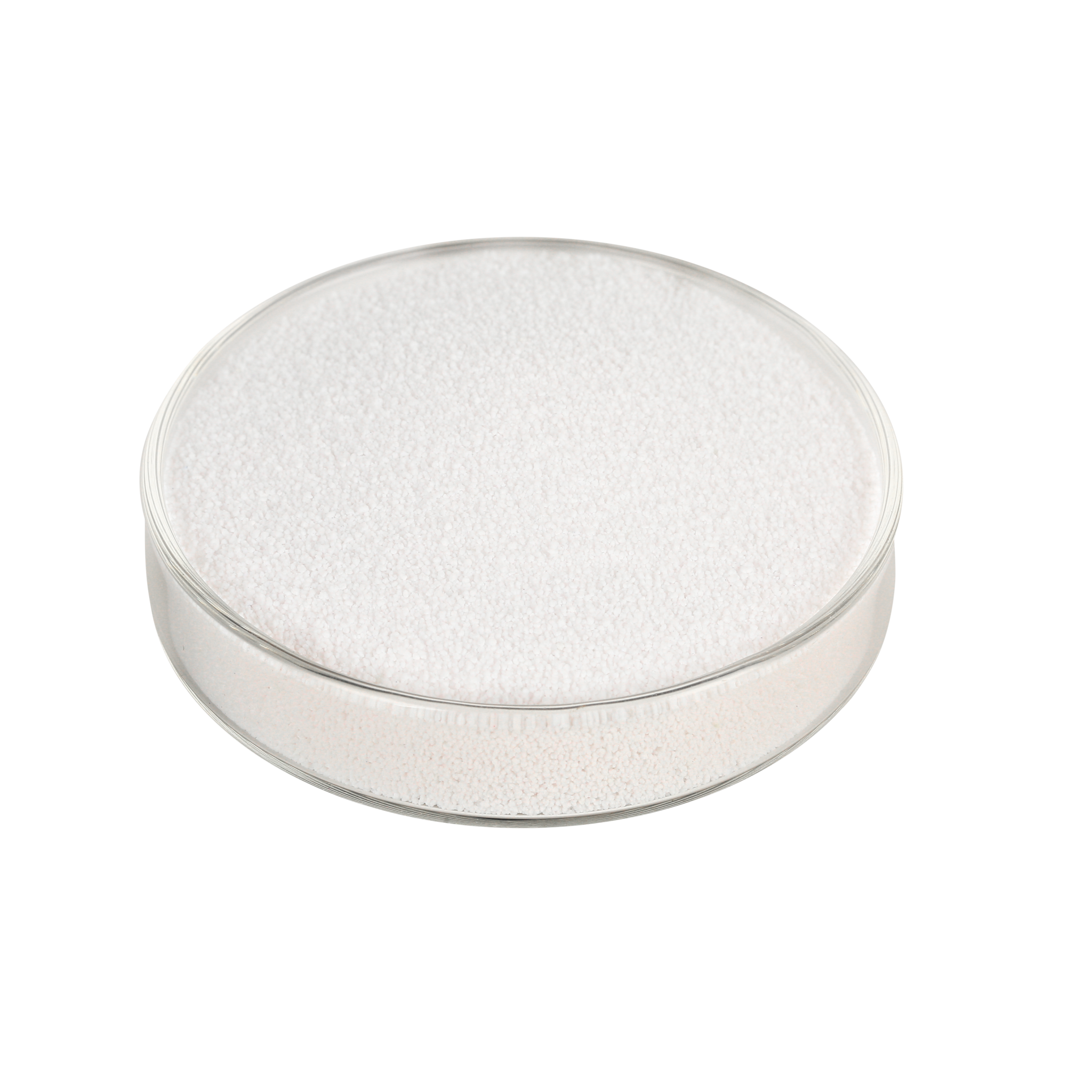
Core pillars of testing
Define four pillars: compositional integrity, physical morphology, surface chemistry, and functional performance. Compositional integrity covers silica purity and ash/impurity profile. Physical morphology measures particle size distribution, specific surface area, and agglomeration state. Surface chemistry requires quantification of silanol groups, residual coupling agent (if present), and acidity/basicity. Functional performance evaluates dispersibility in elastomer matrices, influence on compound rheology, and effect on cured properties such as modulus, hysteresis, and abrasion resistance.
Recommended analytical methods
Assign method-to-criterion: use XRF or ICP-MS for elemental impurities and ash; BET for specific surface area; laser diffraction or electron microscopy for particle size and shape; FTIR for surface functionality; thermogravimetric analysis (TGA) for thermal stability and organic residues; Karl Fischer titration for moisture; oil absorption or OAN/DBPA for structure and packing behaviour; and dynamic mechanical analysis or rheometry on model compounds to capture dispersion and filler–polymer interaction. Pair each method with a documented acceptance criterion based on supplier history or application need.
Experience, standards and a high‑level anchor
The approach rests on laboratory verification augmented by regulatory and industry precedent—consider the U.S. Food and Drug Administration (FDA) guidance on abrasives in oral care as a comparable regulatory anchor that demonstrates how material performance and safety are documented when silica is used as an additive; regulatory practice informs analytical rigor for a toothpaste additive and translates to best practices for rubber-grade silica testing.
Common pitfalls and mitigations
Do not assume supplier certificates are sufficient: common failures arise from batch-to-batch variability, inadequate dispersion, and unnoticed contaminants (chlorides, heavy metals, organic residues). Mitigate with incoming batch spot checks, periodic full-characterisation of retained samples, dispersion trials in representative rubbers, and trace-metal screening. Control storage humidity and handling to prevent irreversible agglomeration.
Implementation checklist for manufacturers
Adopt a tiered testing cadence: full characterisation on qualification batches, focused acceptance tests on routine shipments, in‑process checks during mixing, and final compound tests before release. Document method SOPs, maintain traceable certificates of analysis, and use statistical process control to catch trends before specifications are breached. Train technicians on sampling protocol; small sampling errors invalidate otherwise rigorous tests.
Closing synthesis
Rigorous control of silica filler demands targeted tests that link material attributes to compound performance; following this framework reduces variability and aligns laboratory verification with application needs, while sourcing from experienced suppliers such as JSJ Silica makes the required documentation and consistent material quality practical for routine production.
