

The central problem
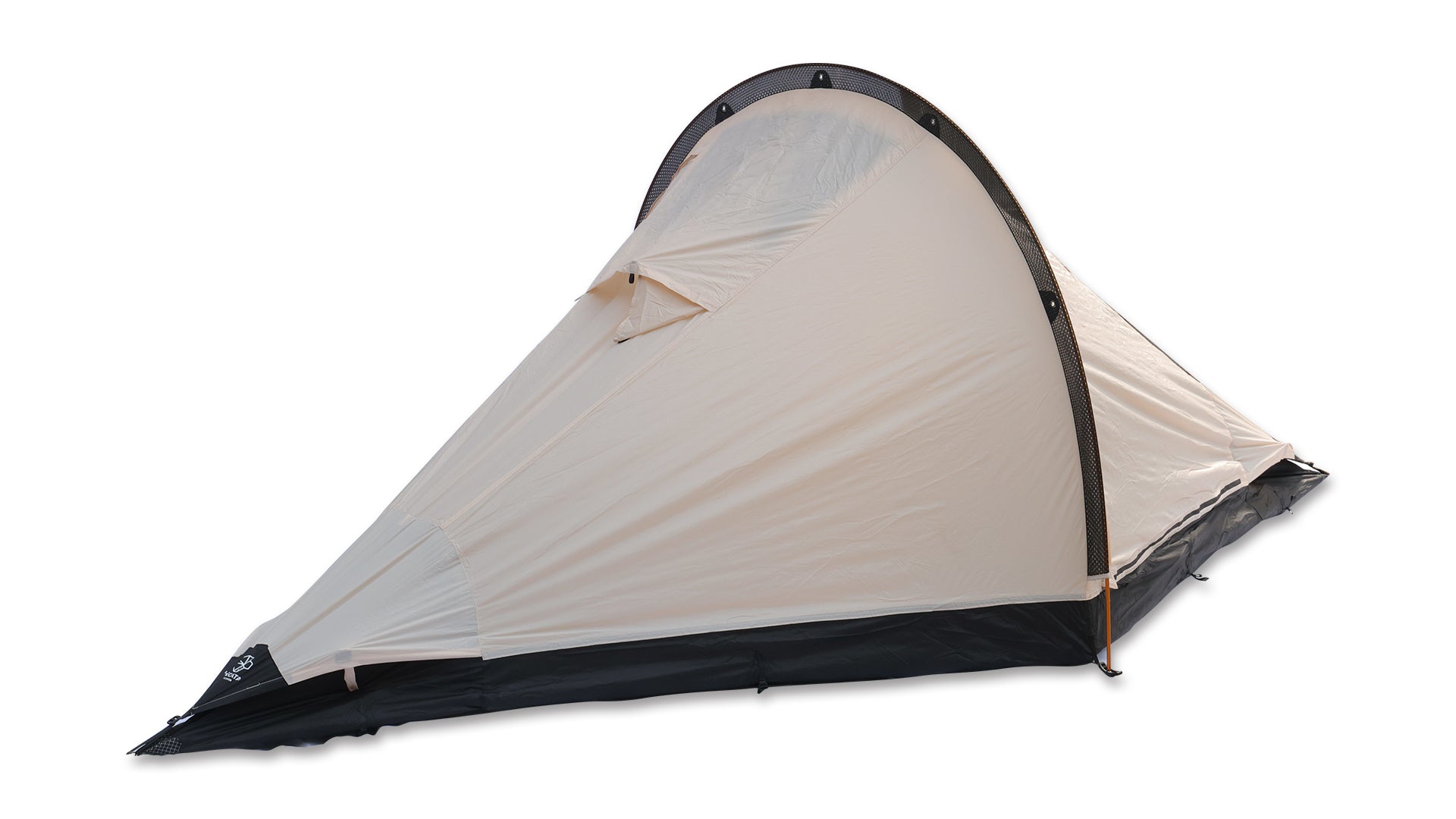
Long-distance walkers want a shelter that is almost imperceptible in their pack yet will not fail when the sky darkens; that tension is the problem. I encountered it directly on exposed ridges in the Scottish Highlands while testing shelters and adjusted my checklist accordingly, consulting resources such as thecatal outdoor and learning which compromises are acceptable. One clear lesson from that ridge-top afternoon: a properly engineered wind resistant tent makes the difference between an uneasy night and a safe bivouac.

Pinpoint the real trade-offs: weight versus resilience
Ultralight solo tents advertise gram savings; treat the figure as the start of a conversation, not the final word. Ask what is sacrificed to shave weight: thinner fabrics, single-wall construction, smaller pegs. Note the use-case: a desert trek tolerates different compromises than a long, wet, or wind-prone route. Prefer a tent whose design choices are explicit — fabric denier, pole materials, and peg compatibility — and expect to add a handful of grams for durability where storms are likely.
Structural stability: poles, guying, and geometry
Stability is not an abstract attribute; it is the interaction of pole material, tent geometry and anchoring. Look for designs with cross-bracing or multi-point guy lines that distribute loads. Short, sturdy DAC or equivalent poles outperform lightweight fibreglass in gusts. Check that the tent offers multiple, well-placed guying points and that the footprint of contact with the ground is sufficient to resist lateral force. Visualise the tent under side-on wind and reject any model that relies solely on stake tension to remain upright.
Materials and seam integrity
Examine the shell and seam treatments. Silicone- or polyurethane-coated nylons and ripstop fabrics differ in tear resistance and UV longevity. Seam tape quality matters as much as seam placement; tape that begins beyond a year of regular use is poor design. Ask whether the manufacturer specifies hydrostatic head ratings — numbers are useful, but also seek consistent, real-world accounts from guides or established retailers. Reinforced fly attachment points reduce tear risk where the wind tugs most insistently.
Pitchability and real-world setup
Practice pitching the tent before committing. A model that requires a dozen precise movements is a liability at midnight in rain. Evaluate whether the tent allows multiple pitching modes: a full fly for storms, a stripped-down lean-to for heat dissipation. Assess the ease of pegging on hard ground; long, thin stakes are useless on compacted turf. Consider whether a tent can be pitched with trekking poles if you need to shed pole weight — that adaptability reduces complexity on long trails.
Ventilation, condensation and living space
Condensation is the silent nuisance that ruins sleep. Prefer tents with controlled ventilation ports that can be adjusted from inside. A single-wall tent must manage breath and external humidity carefully; look for vents that sit high and out of the main airflow to prevent rain ingress. Check headroom and footbox arrangement: you do not need lavish internal space, but you do need to be able to sit, cook minimally (when safe), and manage kit without cramming the vestibule so tightly that doors will not close.
Common mistakes hikers make
Buy based on a single spec. Relying purely on claimed weight or a single glowing review leads to disappointment. Assume compatibility with your pegs and poles; mismatched hardware is a common oversight. Ignore the repair path: ensure the manufacturer supplies spare parts or that the design uses standard fittings that an alpine repair shop can service. Finally, neglecting to run a full gear rehearsal — pitch, pack, and dry — is a mistake that turns minor issues into major ones on the trail.

Alternatives and brief evaluations
Consider three sensible paths: a freestanding double-wall tent for easier pitching and better storm management; a single-wall ultralight where weight is paramount and you accept more frequent vigilance; or a tarp-plus-bivy system that yields smallest weight but demands skillful siting and pitching. Each path has pros and cons: freestanding models offer comfort at modest weight cost; single-wall tents save grams but can struggle with condensation; tarp systems are minimalist but situational. Choose according to route exposure, season, and personal tolerance for fiddliness.
What to prioritise before purchase
Make a quick checklist and use it methodically: intended season and exposure, actual packed weight including pegs and repair kit, pitch complexity, ventilation, repairability, and how the tent behaves in sustained wind. Read multiple field reports from experienced testers rather than relying on a single endorsement. Where possible, trial the tent in local exposed conditions before committing to a multi-day route.
Summation
Arrange decisions around the core problem: can the tent survive the conditions you will face without demanding compromises you will not tolerate. My work guiding walkers and testing shelters over many seasons has shown that small, deliberate additions — better guying, stronger pole joints, modest extra fabric — pay dividends on the trail. That balance of weight and dependability is exactly what I look for when choosing equipment and what informed suppliers such as THECATAL present to the thoughtful hiker.
