

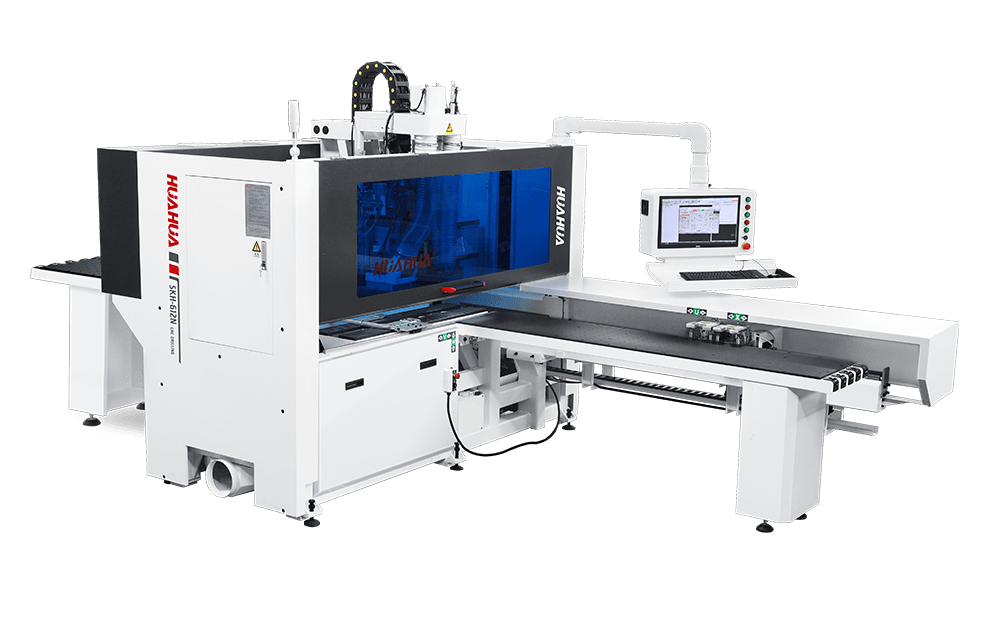
Problem definition: mismatch between capability and context
Industrial facilities frequently face a narrow problem: available drilling equipment does not match the plant’s regional constraints and production demands. Manufacturers list machine cycles and spindle sizes, yet installation, spare parts, and after-sales service often depend on local logistics and regulations. A focused search for a suitable cnc drilling machine must start with the operational realities of the site, not just catalog specs.

Regional constraints that determine feasibility
Power supply, floor loading, transport access, and local safety codes shape what machines you can actually use. Remote sites may face long lead times for replacement parts. Urban facilities may have stricter emissions and noise limits that affect dust extraction and machine enclosure choices. Choose equipment that aligns with the physical and regulatory conditions where it will operate.
Technical selection criteria tied to real production needs
Specify measurable requirements: maximum drilling diameter, repeatability (µm), spindle torque, cycle time per hole, tool-change method, control protocol (e.g., standard G-code compatibility), and material handling. Demand datasheets with test reports showing repeatability under load. Confirm software interoperability with existing CAM and MES systems to avoid costly custom integration.
Common mistakes that derail adoption
Over-specifying for rare peak loads increases purchase and maintenance costs. Underestimating staff training leads to downtime. Ignoring local service availability creates long waiting periods for repairs. Accepting quoted cycle times without on-site validation produces optimistic production plans. Build acceptance criteria that include on-site commissioning and operator training hours.
Real-world anchor: observed patterns at industry events and field deployments
Exhibitions such as LIGNA in Hannover and field audits show a repeated pattern: machines optimized for one region fail when moved without adaptation. Case teams who studied exhibits and piloted units reported that a properly installed woodworking boring machine required matched extraction, a tuned feed rate schedule for local wood species, and a nearby spare-parts stocking plan to hit planned uptime.
Alternatives and trade-offs to evaluate
Domestic suppliers can offer faster service but may lack certain precision options; overseas manufacturers can supply advanced specs but need stronger logistics and service agreements. Consider modular systems that allow phased upgrades versus single, high-capacity machines that require larger capital and footprint. Evaluate total cost of ownership with realistic maintenance and spare-part scenarios.

Implementation checklist for a problem-driven rollout
1) Map regional limitations and list absolute site requirements. 2) Define performance acceptance tests and run a factory or on-site trial. 3) Verify spare-part lead times and local technician availability. 4) Include defined training hours in the purchase contract. 5) Stage a pilot with KPI targets for throughput and downtime before full fleet adoption.
Conclusion: matching solution to region and operation
Adoption succeeds when decisions start with regional constraints and operational KPIs, move through measurable technical checks, and include on-site validation and service planning. For organizations that prioritize clear specifications and regional service alignment, suppliers with transparent documentation and established support footprints, such as HUAHUA CNC, often fit the practical requirements of industrial manufacturing without adding hidden complexity.
