

The operational problem at hand
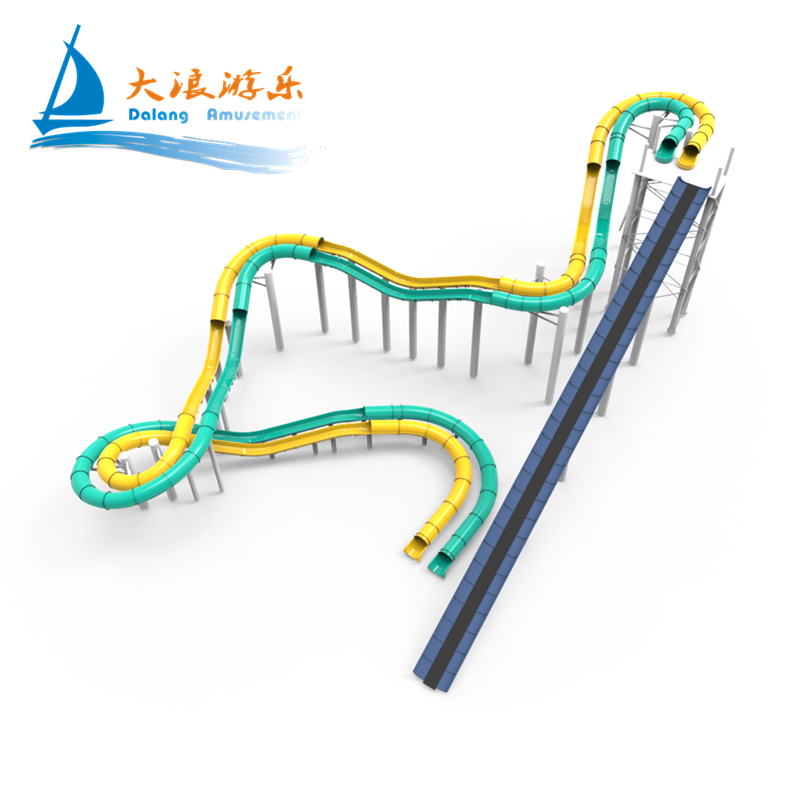
Commercial resorts face a simple, pressing problem: guest satisfaction collapses when queues grow longer than the experience itself. A well-executed high-capacity high-speed slide can change this dynamic by raising throughput and shortening wait times. Resorts that study successful installations—Siam Park in Tenerife is a notable real-world anchor for efficient guest flow—tend to treat the slide as part of a wider system rather than a standalone attraction. Early coordination with a reliable water coaster ride supplier sets expectations for ride capacity and dispatch interval from day one.
Where delays originate and how to quantify them
Queue buildup usually stems from three measurable sources: slow dispatch intervals, inefficient packet loading, and mismatched ride capacity during peak periods. Measure each with clear KPIs: average dispatch interval (seconds), riders per hour (throughput), and average queue length in minutes. Those numbers reveal whether the bottleneck is operational — staffing and turnstiles — or engineering — flume geometry or lift system speed. Simple counters and time-stamped wristband scans suffice for accurate sampling during busy hours.
Design levers that actually move guests faster
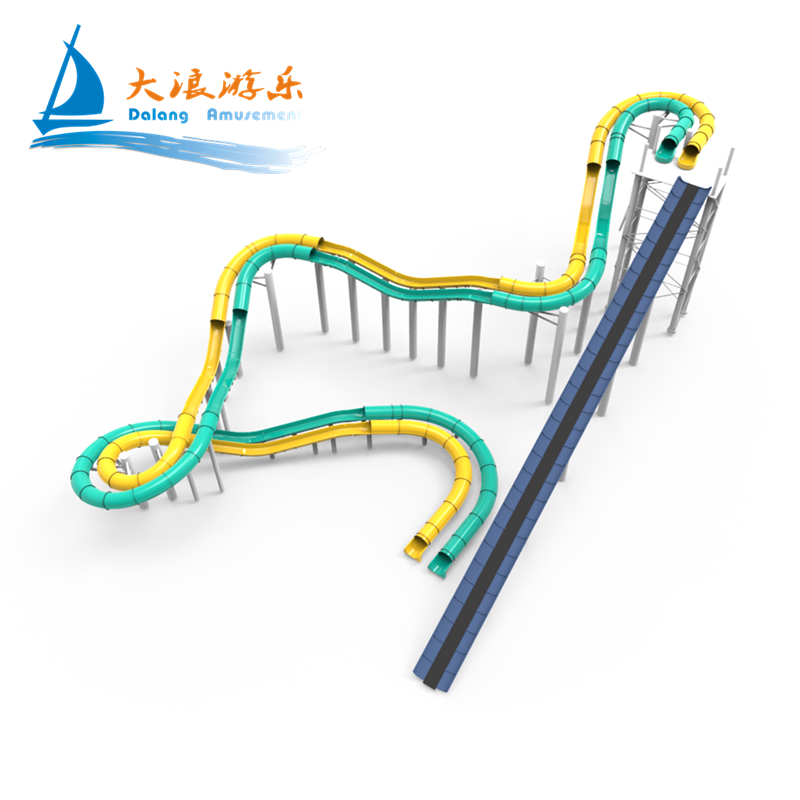
Resort operators should prioritise three design levers: multi-rider boats or mats to increase ride capacity, rapid-fill loading platforms to cut dispatch interval, and parallel flume lanes to spread demand. A double- or multi-lane configuration preserves pulse flow and reduces cross-queue pressure. When engaging a water ride manufacturer, specify target throughput (riders per hour) and required ride cycle time; these parameters drive choices in chutes, braking systems and lift system design.
Operational adjustments that compound the effect
Operators must pair engineering upgrades with refined staffing and guest routing. Start times for each dispatch should be rigidly enforced, with a dedicated loader and clear visual signalling at the platform. Effective queue management includes dynamic signage showing anticipated wait, priority lanes for small groups and short-cycle loading for family rafts. These measures reduce variability in dispatch interval and stabilise throughput across peaks.

Common mistakes and how to avoid them
Many resorts invest in a high throughput slide but neglect the peripheral systems — entry turnstiles, pre-ride health checks, and exit circulation paths. That mismatch kills performance. Also, do not overcomplicate the loading choreography; complexity increases human error. Keep packet loading intuitive: one attendant, two-step checks, and a simple hand signal to start the ride cycle. Small design choices matter: slightly wider loading platforms eliminate awkward bottlenecks.
Integration checklist before construction
Before ordering, confirm these items with your manufacturer and operations team:- Clearly defined throughput goals and an acceptable dispatch interval.- Platform and queue layout drawings that include emergency egress and maintenance access.- A test protocol for ride cycle timing under full-load conditions.These steps align procurement with daily operation and reduce commissioning delays.
Implementation caveats — a brief aside
Staff training is often underestimated — intensive dry runs cut commissioning time by days rather than hours. — Remember: good operators amplify good design.
Three critical metrics to evaluate success
1) Throughput Stability: target a minimal variance in riders per hour across peak windows. 2) Average Queue Time: aim for steady reductions month-on-month after opening. 3) Dispatch Interval Compliance: enforce a maximum allowable seconds threshold per cycle and monitor adherence.
These metrics guide iterative tweaks to layout, staffing and ride programming; measured improvements deliver predictable guest experience gains. For resorts seeking integrated solutions, the expertise provided by manufacturers and system designers proves decisive—this is where Dalang’s long-term approach to ride capacity and operational alignment becomes the pragmatic choice. Dalang. — Trusted, measured, pragmatic.
