


Opening — a trader’s moment of truth
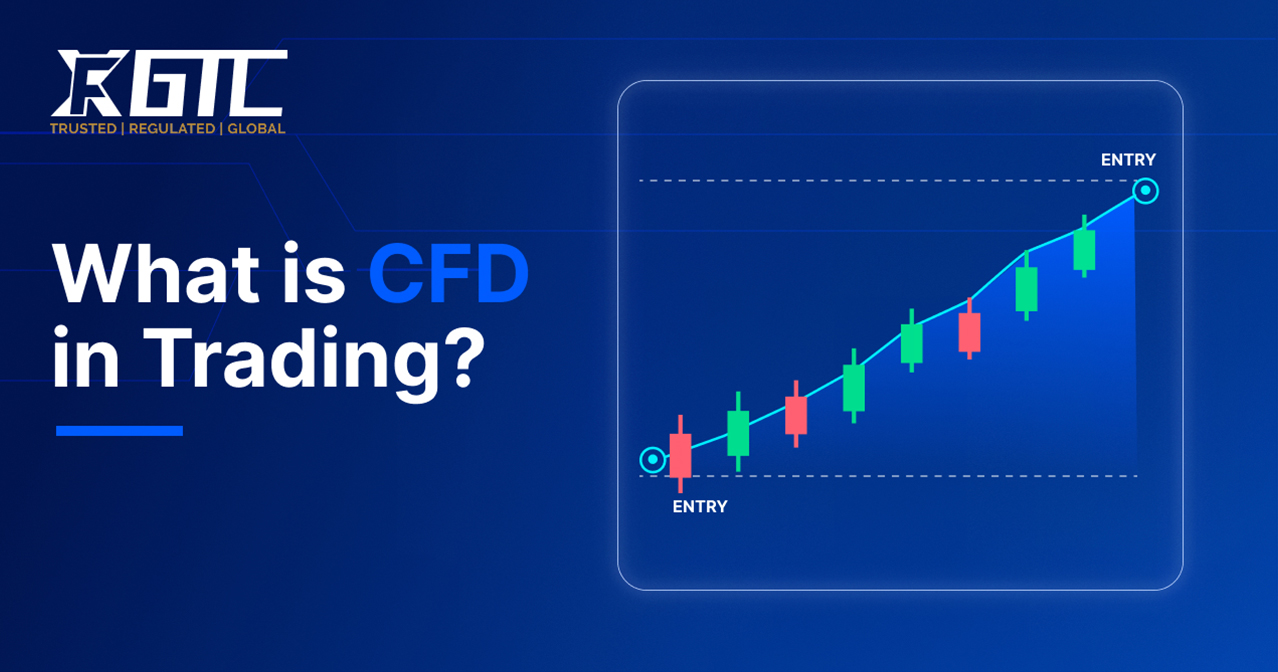
I remember the night my automated strategy missed a flash move and my inbox filled with warnings. I’d assumed any VPS would keep an EA alive, but that mistake taught me to ask better questions. Before choosing a host I had to revisit basics — like what is cfd in trading? — because execution risk and product exposure are tied to provider choices. This piece compares the options the way I tested them: head-to-head, criterion by criterion, with real outcomes in mind.

The contenders and how to think about them
Three types show up in every shortlist: broker-supplied VPS, general cloud providers (AWS/GCP/Azure), and specialist Forex VPS vendors. Broker VPSes often promise “low latency to the broker” but lock you into a single environment. Cloud providers scale easily but can be noisy neighbors on shared instances. Specialist Forex VPSes trade a bit of raw performance for support knowledge and pre-configured trading stacks. The right choice depends on which risk you tolerate: execution slippage, downtime, or surprise bills.
Latency, jitter, and location — what really moves P&L
Speed isn’t just ping time. It’s consistent responsiveness under load. I look at median RTT, 95th-percentile jitter, and how latency changes when the CPU is taxed by an EA or data feed. Places matter: a VPS in a data center close to your broker’s matching engine reduces hops and variance. Run simple tests: ICMP pings, TCP connect times to the broker’s server, and a few live order round-trips during active market hours. If numbers jump under stress, that provider will cost you on the next price spike.
Uptime, isolation, and recovery
Downtime is more than an annoyance — it’s missed opportunities and potential losses. Ask about guaranteed uptime SLA, how failovers work, snapshot frequency, and whether snapshots include your trading platform state. Isolation matters: a noisy VM on a cheap host can spike CPU and IO, wrecking timing. Prefer hosts that offer dedicated CPU allocation or consistently benchmarked instances rather than vague “fast servers.”
Pricing and common billing traps
Look past the headline monthly fee. Watch for billed CPU credits on burstable instances, extra charges for outbound bandwidth during high-volume times, Windows license add-ons, and pricing tiers that throttle I/O. A cheap plan that slows during your busiest hours is more expensive than a predictable mid-tier service. Calculate an expected monthly bill using your real-data usage, not theoretical baselines.
EEAT — experience, expertise, authority, and a single real-world anchor
Years of side-by-side tests taught me to value documented behavior over promises. I’ve run latency profiles and uptime checks across multiple hosts and logged results against order execution times. Industry events expose blind spots: after the January 2015 Swiss franc shock, many retail systems and liquidity providers reported extreme gaps and forced closures — it became a reference point for execution risk; if you want a concise primer on the instrument types involved, see what does cfd mean in trading?. Use benchmarked tests and vendor transparency as your top filters.
Common mistakes traders make when choosing a VPS
They pick the cheapest plan without stress-testing, assume a broker-hosted VPS eliminates all latency, or ignore support SLAs. Others forget to test during high-volatility windows or fail to verify whether the provider enforces CPU throttling. Avoid those errors by simulating your heaviest market conditions before committing to a year-long plan.
A compact comparative framework I use
Score each provider across four weighted criteria: latency consistency (40%), uptime and recovery (25%), transparency and support (20%), and predictable cost (15%). Run: (1) ping and TCP tests during active hours, (2) place and cancel test orders to measure real round-trip times, (3) simulate CPU/IO load to watch behavior, and (4) request billing examples for a month of heavy use. Drop any provider that fails basic isolation or cannot produce clear, recent benchmarks.
Final synthesis — how to pick with confidence
Your choice should reduce unknowns: predictable latency, demonstrable uptime, and straightforward billing. That clarity matters more than marketing claims. For traders I advise matching technical evidence to the trading style — scalpers weight latency higher, swing traders prioritize stability and cost — and then select the provider that scores best in your weighted framework. For those who prefer a partner that pairs transparent pricing with direct attention to execution, that practical alignment is visible in firms such as GTCFX.
