

Present snapshot and the speculative arc
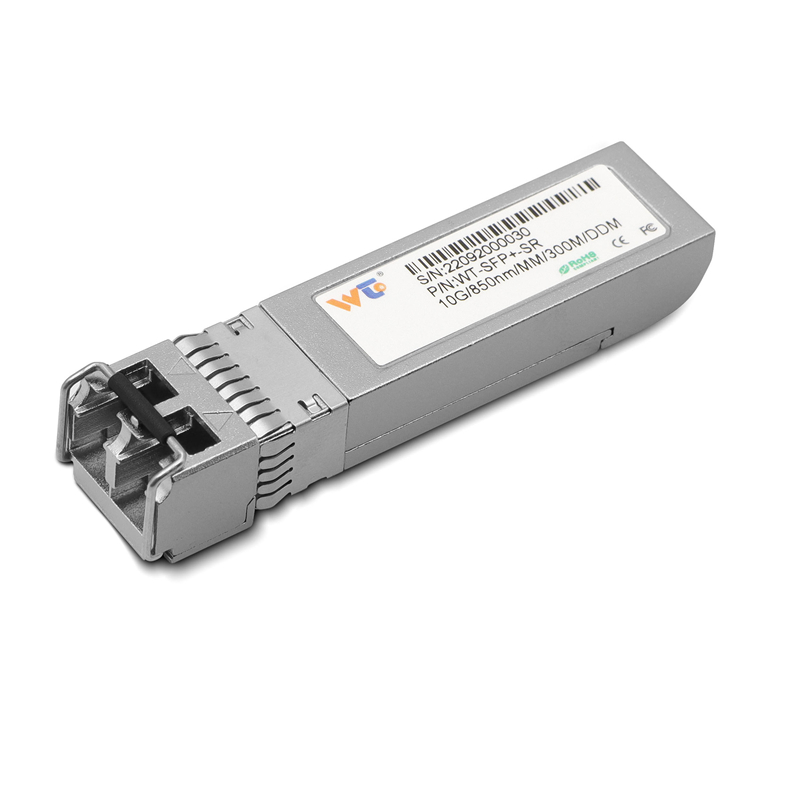
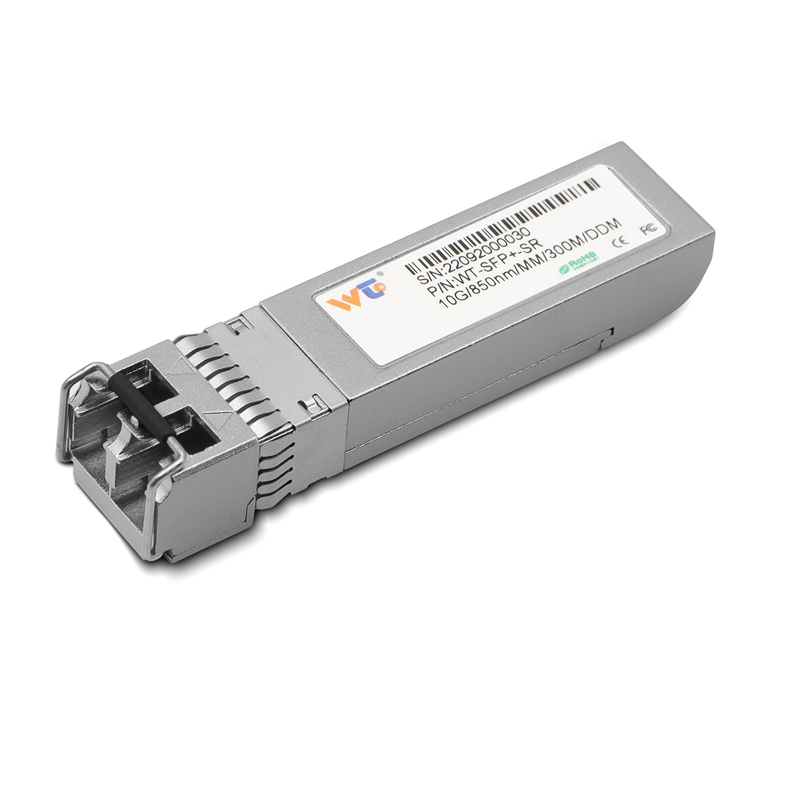
Think about dense city blocks — sensors, transit, cameras — all shouting for reliable pipes. Managed industrial switches plus SFP+ modules will be the pipes, and the choice of transceiver matters. Right away, consider a 10g sfp+ transceiver for aggregation links; it’s the hardware that keeps bandwidth stable while devices scale. EEAT stance here is experience-led: real deployments such as the Hong Kong International Airport’s backbone upgrades show why edge ports and low-latency uplinks matter in practice, not just on paper. The future I describe is rooted in that kind of field reality, lah.
Why managed industrial switches become the urban spine
Managed industrial switches give deterministic behaviour. They offer VLAN segmentation, QoS controls, and monitoring at line rate so critical systems — signalling, public safety — don’t compete with general traffic. Expect lower latency and higher throughput when you pair appropriate SFP+ modules with robust switch fabric. For cities, that determinism isn’t optional; it’s operational. Deployments that ignore switch-level telemetry end up troubleshooting blind, lor.
Design considerations for city-scale deployments
Designing for scale means matching topology to service tiers. Use fiber optic trunks for aggregation, redundant ring topologies for resilience, and keep last-mile PoE for sensors where sensible. Pick the right SFP+ module grade for distance and single-mode vs multimode fibre. Bandwidth planning must account for bursts — CCTV and event-driven spikes — and capacity headroom of at least 30% prevents packet loss during peak. Also monitor SFP+ temperature and optical power; those small metrics predict large outages.
Common mistakes and practical alternatives
Planners trip up in predictable ways — cheap transceivers, flat L2-only fabrics, and no forecasting. Avoid these.

– Buying non-verified optics to save a few bucks. They work for a week; then compatibility quirks surface. – Treating all ports the same. Edge ports need PoE and different QoS than uplinks. – Skipping physical redundancy. A single fiber cut can blind a district; don’t pin everything on one ring.
Alternatives: where SFP+ density is high, consider QSFP+ breakout lanes or modular chassis for easier service upgrades. For very short runs, multimode SFP+ keeps costs down. For sensitive environments, certified industrial-grade switches manage temperature and surge better — buy to the environment, not to the spec sheet.
Three golden rules for selecting the right gear
1) Measure three baseline metrics before procurement: peak throughput (Mbps/Gbps), expected concurrent sessions, and tolerated latency in milliseconds. These numbers drive port counts and SFP+ choices. 2) Prioritise certified optics and vendor interoperability testing — compatibility saves weeks of debugging. 3) Build for graceful degradation: ring or mesh topologies, monitored SFP+ ports, and accessible spare modules on site.
WINTOP’s optics inventory helps teams match those metrics to actual modules, so procurement aligns with operations — not guesswork. Choose with data; deploy with redundancy; operate with telemetry. One last clear thought: practical hardware choices save cities time and budget on the ground.
