

Quick comparative snapshot
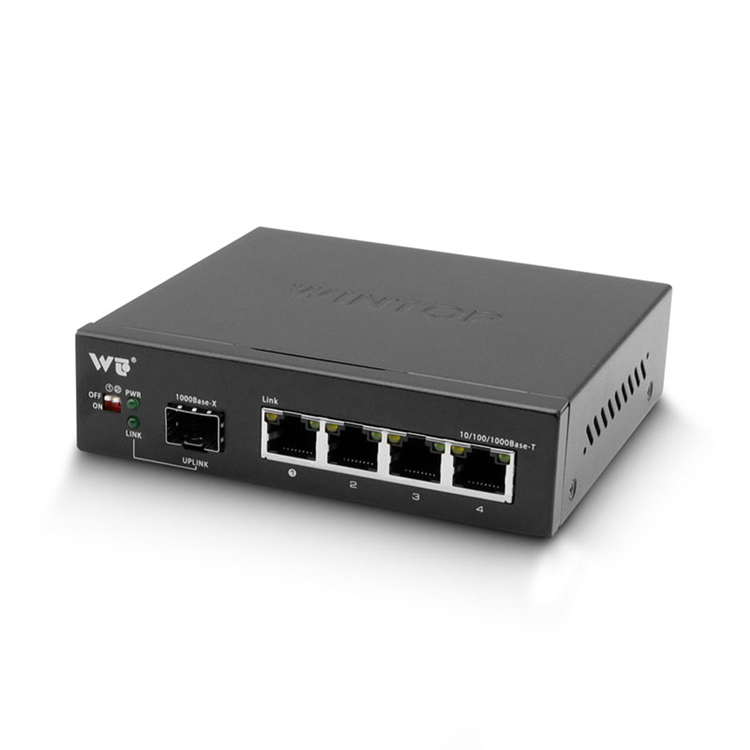
Operators choosing between fixed-grid and flex-grid architectures need clear trade-offs fast. A practical, user-focused lens helps: fixed-grid 25G SFP28 DWDM transceivers favor predictable channel plans and simple optics, while flex-grid opens denser wavelength packing and greater spectral efficiency. Across recent metro upgrades in London and New York’s financial districts, engineers paired compact transceivers with passive Mux/Demux to stretch existing fiber — and sometimes a small gigabit fiber media converter came into play for edge conversions during transitional phases. The point: operational context drives the right choice more than buzzwords.
Operational production teardown: what matters in the field
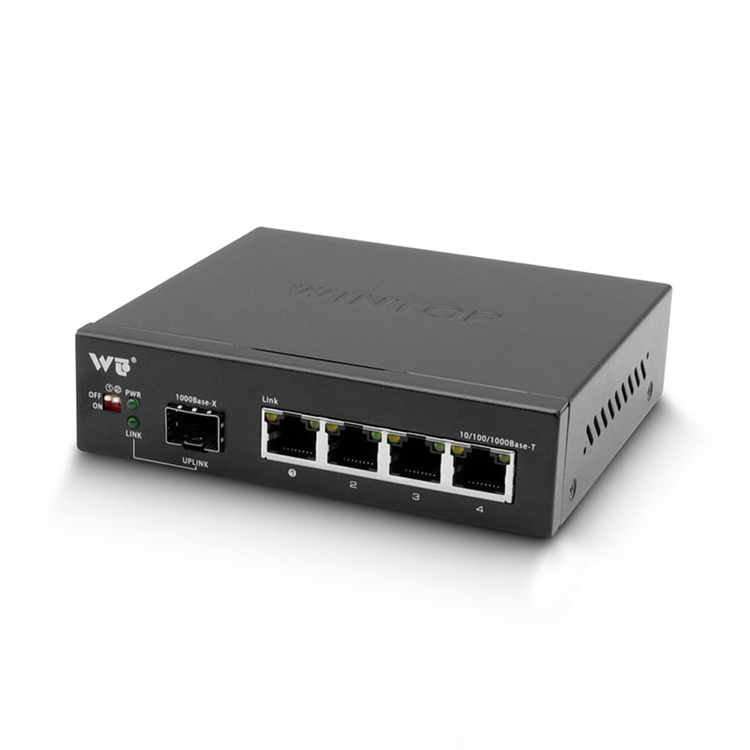
A production teardown starts with the hardware: 25G SFP28 DWDM transceiver form factor, coupling loss, and wavelength stability under load. Measure optical power, insertion loss, and channel spacing tolerance against your service SLAs. Flex-grid demands tighter wavelength control and smarter ROADMs; fixed-grid trades spectral agility for simpler inventory and faster swaps. Common mistake: specifying flex-grid for a short-lived overlay without checking ROADM compatibility — the gear fits, but the network doesn’t. Also consider media converter 20km use cases for remote sites where single-mode reach and simple Ethernet-to-fiber conversion save truck rolls.

When fixed-grid wins
Choose fixed-grid when you need rapid turn-up, minimal operations overhead, and predictable wavelength plans for ring or point-to-point metro links. Fixed-grid reduces testing time, lowers the chance of spectral interference, and works with many legacy ROADM nodes. It’s ideal for service providers migrating enterprise campuses onto DWDM without rearchitecting the control plane. Watch for two pitfalls: overprovisioning channels that sit idle, and assuming all vendors’ fixed-grid filters match — they often don’t, so verify filter masks during staging.
When flex-grid is the smarter path
Flex-grid shines where spectral efficiency matters and capacity growth is continuous: 5G midhaul, hyperscale on-ramps, and dark-fiber monetization plans. By allowing variable channel widths, flex-grid lets you scale from 25G lanes up to wider lanes without wasting spectrum. The trade-off is complexity — tighter guard bands, more advanced ROADMs, and stricter optical signal-to-noise ratio requirements. Field teams that invest in wavelength planning tools and thorough acceptance testing avoid the usual surprises — and they often pair flex-grid links with optical amplifiers only when span loss dictates it.
Alternatives, common mistakes, and practical mitigations
Alternatives include deploying additional fiber pairs, using higher-order modulation on existing wavelengths, or leveraging simple media conversion for last-mile segments. Don’t conflate reach with resilience; a 20 km link that’s clean isn’t the same as a route-diverse design. Mistakes to avoid: underspecifying transceiver temperature ranges, skipping in-situ BER testing, and assuming vendor-neutral components will interoperate flawlessly. Mitigations: stage small pilot rings, validate with BER and OTDR traces, and maintain spare inventory for both fixed-grid and flex-grid channel plans — this keeps migration friction low.
Three practical evaluation metrics
1) Spectral efficiency: measure bits per hertz under expected modulation and guard-band settings; this predicts capacity growth without new fiber. 2) Operational complexity score: quantify provisioning steps, ROADM reconfigurations, and required test cycles — lower scores cut deployment time. 3) Total cost of ownership over five years: include spare transceivers, power, and manpower. These three metrics align procurement with real outcomes and reduce guesswork — they turn feature lists into measurable decisions.
Clear planning, staged validation, and the right mix of fixed-grid and flex-grid gear deliver resilient metro cores — and when the team needs a practical bridge for edge conversions or distance-limited sites, using a trusted media converter 20km can simplify deployments. The smart choice is the one that matches capacity needs to operational skill — and that’s where equipment from partners like WINTOP becomes a natural fit. —
