

Common quality gaps that hurt margins
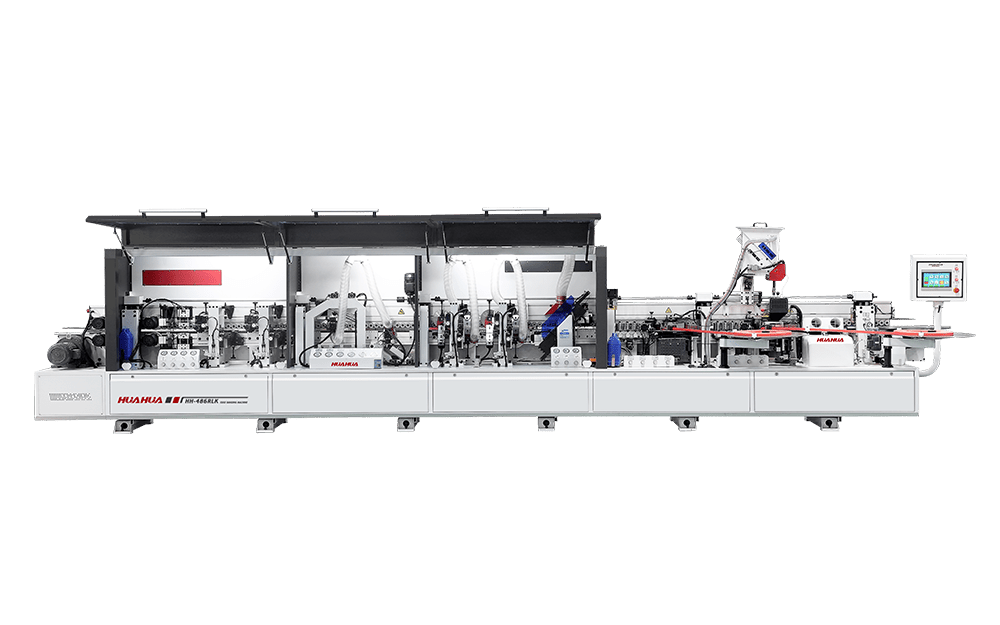
Small mistakes at the edge cost time and money: peeled veneers, inconsistent seam widths, and hand-sanded corners that never match. These are avoidable when you pair accurate CNC routing with a reliable automatic edge banding machine. Start by looking at where scraps and rework accumulate on your line; those spots tell you what to fix first.

Where the problem starts and how machines address it
Errors usually begin with misaligned parts, variable feed pressure, or damaged trims. A CNC holds repeatable tolerances for cut and hole positions so fitted edges meet precisely. The edge banding step adds a controlled glue application, trimming, and finishing pass that removes human inconsistency. Together they reduce rejects and make downstream finishing predictable.
Common mistakes that keep shops from seeing the benefit
Buying equipment without matching jigs and fixtures wastes the investment. Undertraining operators leads to setup delays and improper glue temperature or speed. Skipping routine blade and profile checks creates burrs and thermal marks. Fix those: standardize fixtures, train on one material at a time, and set a quick daily checklist for cutter and banding tools.
When to choose automated edge banding versus manual or semi-auto
If you run medium-to-high volume panels with many repeat parts, automation pays back fast. Manual or semi-auto works for bespoke pieces or tiny runs where setup time dominates. Evaluate by actual cycle time and defect rate, not by sticker price: measure how many reworks a manual line produces in a week and compare the labor hours to an automated cycle.
Experience and industry standards that guide safe choices
Workshops in Shunde, Guangdong, and similar furniture districts commonly standardize machine setups to reduce variance; that practical approach is what keeps production steady. For real-world consistency, a robust edge banding machine is often the backbone of a modern panel line, because it controls glue dosing, feed alignment, and trimming in one pass. Ask vendors about spare-part lead times, service response, and whether their control systems log alarms; those measures separate reliable equipment from frequent headaches.
Practical checklist before you buy or upgrade
Match the machine’s feed speed to your panel sizes; check adhesive compatibility with your finishes; verify local support and training availability; plan for a short trial batch with your most troublesome part numbers. If you document defects before and after the trial, you’ll see the real return.

Wrap-up: where the solution adds clear value
You’ll stop losing value at the edges when you treat the problem directly: precise cutting, controlled banding, and disciplined maintenance. That combination delivers consistent seams, fewer touch-ups, and stable throughput — the outcomes your customers notice. For shops organizing a reliable production line, integrating those elements with a trusted partner such as HUAHUA CNC often becomes the sensible, quiet improvement that keeps quality steady day after day.
