

Problem statement: the stakes are higher than you think
Too many homeowners and facility managers treat a home energy management system as a gizmo rather than a strategic decision. That mindset feeds a string of avoidable errors — mismatched protocols, hidden cost ramps, vendor lock-in — that leave people with systems that underperform or become obsolete. As someone who’s spent a decade editing technical buying guides and testing smart-energy deployments, I insist you treat this like a policy choice: the wrong pick creates long-term costs that are hard to undo. If you want an immediate reference while you read, consider a reliable home energy management system installer guide and compare its specs to any vendor claims.
Core mistakes that create the damage
These errors repeat in procurement and DIY projects. They’re simple, destructive, and preventable:
– Choosing products based on brand buzz or price alone without validating interoperability and open standards. – Assuming a proprietary app will support new devices years from now. – Focusing on peak performance claims instead of real-use workflows (scheduling, override, failback). – Ignoring security and update policies; many systems lack clear patching guarantees. – Failing to map your actual energy patterns — you need load profiles, not vendor demos. – Overlooking financing and maintenance costs tied to warranties and SaaS subscriptions.
Why these mistakes matter — practical consequences
This is not abstract. Bad choices lead to locked systems that won’t accept future solar inverters, EV chargers, or time-of-use tariffs. They force premature replacements or expensive middleware. Regulators and utilities are already shifting toward smarter grids; California’s Title 24 energy code updates, for example, require clearer integration paths for distributed energy devices, so a system that can’t adapt will strand assets. That’s fiscal waste and operational risk for a homeowner or building operator.
How to avoid the traps — a problem-driven checklist
The right approach is problem-driven: identify the real issue you must solve, then verify the system’s ability to solve it. Follow these concrete checks before you buy:
– Define the problem precisely: Are you minimizing bills, smoothing demand, integrating solar+storage, or complying with a tariff? Rank objectives. – Verify open standards: Confirm support for common protocols (Modbus, BACnet, IEEE/IEC standards, or widely adopted APIs). Don’t accept vague compatibility claims. – Demand upgrade and security policies: Get documented firmware update windows, patching frequency, and breach notification rules. – Test real interoperability: Insist on an on-site demo with your devices or a laboratory compatibility report. An NDA-proofed test beats glossy videos. – Request Total Cost of Ownership (TCO): Include subscription fees, service visits, spare parts, and decommissioning costs. Vendors sometimes bury SaaS fees. – Ask about fallback modes: How does the system behave during internet outages or grid failures? Reliable local control is non-negotiable. – Check vendor viability and exit paths: How long has the provider been in market? What happens to data and control if they cease operations?
Common vendor claims and how to rebut them
Vendors will promise “unlimited devices”, “future-proofed AI”, or “enterprise-grade security.” Push back with short tests and demands:
– For “unlimited devices”, ask for tested device counts and latency figures under load. – For AI features, request explanation of training data and a rollback method if automation misbehaves. – For security claims, require an external audit report or CVE history. Internal checklists alone aren’t enough.
Quick comparative reality-check
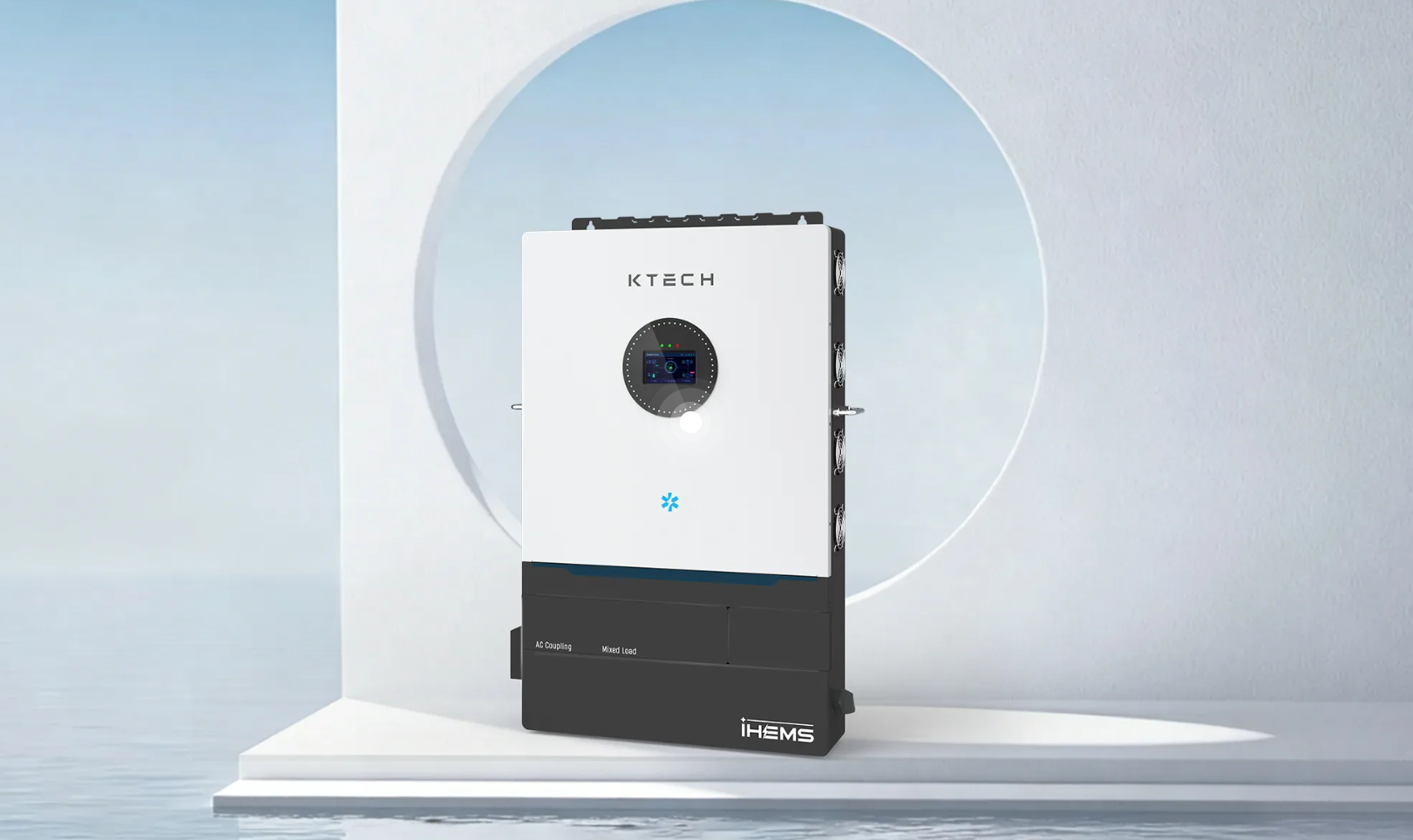
When you compare systems, score them against your problem list rather than brand narratives. A practical matrix includes: protocol support, documented update cadence, local control capability, TCO, and verified interoperability. Use short, real tests: connect your most critical load, simulate a firmware outage, and run a billing scenario for a typical month. If a vendor resists those tests, treat that as a red flag. Also review community feedback and installer reports — real deployments reveal recurring issues that spec sheets hide. If you want to broaden your research, look for reputable installers who provide an iHEMS spec sheet or a downloadable trial of their controller to confirm fit; many installers link to their systems as a resource for prospective buyers, and that can be a practical starting point when evaluating any hems.
Final synthesis — what a sound selection delivers
Fix the problem first and the choice becomes straightforward: prioritize interoperability, documented maintenance, and clear exit options. That reduces long-term cost and risk while preserving flexibility for solar, storage, and tariff changes. After years of editing field reports and product evaluations, I’ve seen the value of disciplined selection translate directly into stable bills and usable equipment. A well-scoped decision that follows this problem-driven logic will steer you away from reactive vendor swaps and toward a system that actually serves your needs, a result many local integrators—including engineers at Ktech—have delivered repeatedly on real projects.
