

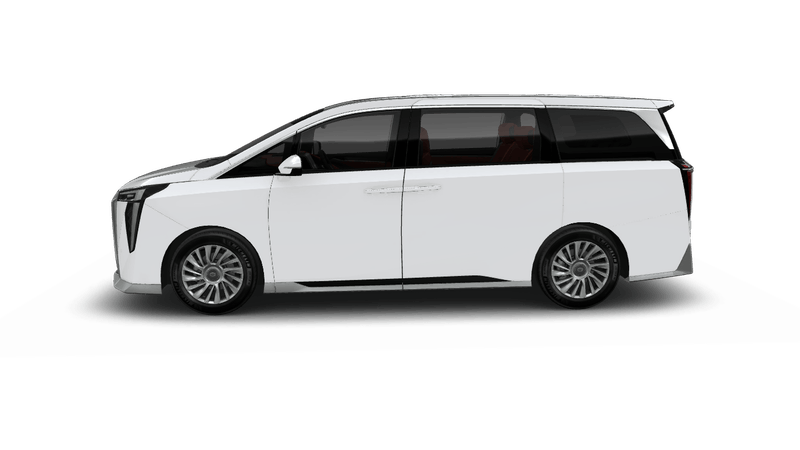
Clear-cut comparison to start
Most buyers look at sticker price and stop there. That leaves real costs hiding. This piece compares upfront price with long-term ownership value so you can choose with sense, not guesswork. If you’re scanning offers, start by checking what’s on offer for best GAC here and line that up against likely running costs.

What “value” actually means — the core criteria
Treat price as only one variable. Compare these criteria side by side and weight them to your priorities:
– Purchase price (MSRP, dealer discounts). – Taxes and registration (Philippine import duties and local fees affect total cost). – Fuel economy (city vs highway petrol figures). – Warranty length and coverage (parts, powertrain, corrosion). – Scheduled maintenance costs and service intervals. – Parts availability and local dealer footprint. – Insurance premiums for the model. – Depreciation and resale strength in the Philippine market. – Practical utility: boot space, seating, payload for your use.
Head-to-head: GAC versus common alternatives
Run a short table in your head: GAC model X versus similar Toyota, Hyundai, Mitsubishi units. Look for where each wins: Toyota often keeps resale value; Hyundai can be competitively priced with long warranty; Mitsubishi sometimes offers rugged utility. GAC tends to compete on feature set and warranty length rather than a race-to-the-bottom on price. Check local dealer reach — availability in Manila affects how quickly you’ll get parts and service, and that changes ownership economics fast.
Ownership-cost breakdown you can use today
Estimate five-year ownership cost with these components. Use conservative numbers so you’re not surprised.
– Depreciation: assume 30–40% drop in five years for mainstream models; adjust if the model has strong demand. – Fuel: multiply expected annual kilometres by manufacturer fuel figure, add a 10–15% buffer for real-world conditions. Use petrol price per litre for the Philippines. – Maintenance: follow the service schedule; price out a typical service and multiply by number of services. Include wear items (brakes, tyres). – Insurance: get quotes from two insurers for the specific model and cover level. – Unexpected repairs: set aside a contingency (e.g., one to two months’ instalments or a fixed PHP amount annually). Add those to your financing cost (interest over the loan term) and you’ll have a realistic ownership number to compare with the sticker price.
Common mistakes that wreck value calculations
– Chasing the lowest sticker price only. Low entry price can mean higher running costs. – Ignoring warranty fine print. Some warranties exclude routine parts or require expensive authorised servicing to remain valid. – Overlooking fuel type differences; diesel vs petrol economies move the needle. – Assuming parts are cheap or easy to get. Long waits for parts kill availability and can inflate costs. – Skipping a dealer walkaround to confirm available options; sometimes the quoted model lacks factory-fit features that affect resale.
Quick decision framework — three steps
1) List models you’re willing to buy. Keep it to three. 2) For each, compute a five-year ownership estimate using the breakdown above. Use conservative fuel and maintenance figures. 3) Rank by total five-year cost and then re-rank by intangible fit: comfort, cargo needs, and how often you’ll rely on dealer service.
Alternatives to consider briefly
If value tilts against a particular GAC model after your five-year calc, look at lightly used examples of mainstream rivals, or consider slightly smaller/larger models that deliver better fuel or resale. Often a slightly higher initial spend on a brand with proven resale and dense dealer coverage reduces total cost.
Final synthesis
Price is simple. Ownership value demands a calculator and common sense. Do the five-year math, check warranty and service reach, and factor in real-world petrol use. When you balance those facts against the features and dealer reliability, you’ll see whether GAC delivers the value you need rather than just the cheapest sticker number.
