

Why comparative thinking beats impulse buying
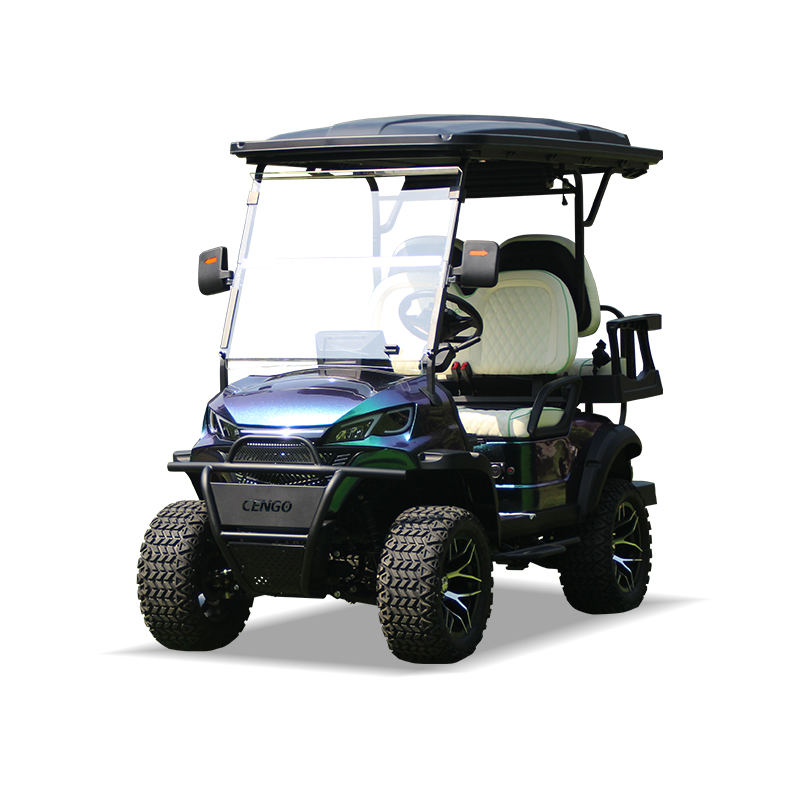
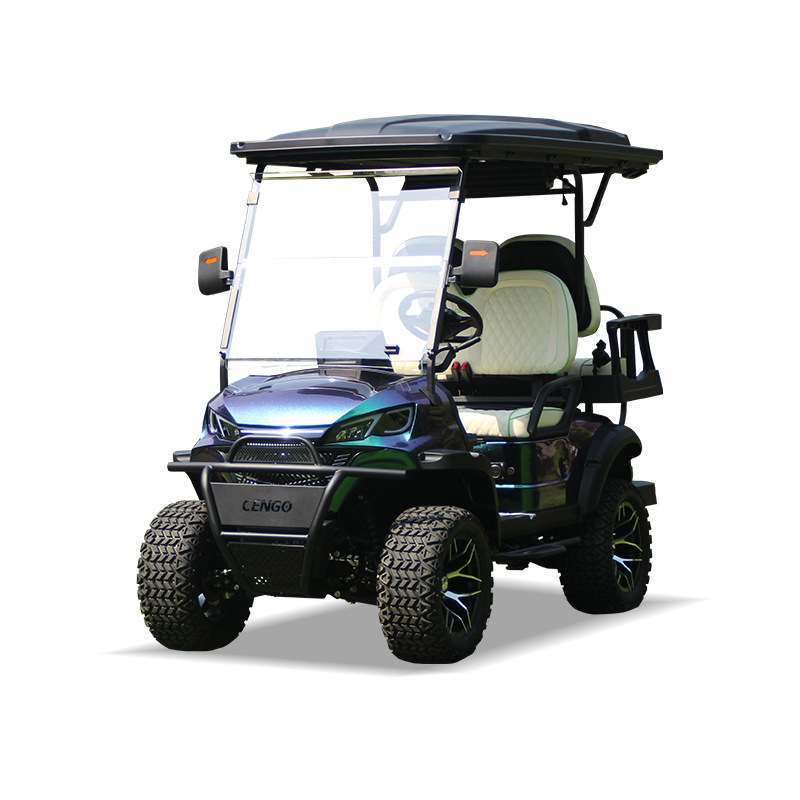
Resort operators need machines that endure sand, mud, and long guest hours — not just a shiny showroom model. A careful side-by-side approach reduces downtime and reveals hidden costs, whether you’re replacing a shuttle or expanding a maintenance fleet. Start by examining a proven unit such as the off road golf cart; that single comparison often clarifies what features truly matter for commercial use.
Core criteria to compare before you commit
Focus on five operational pillars: payload capacity, ground clearance, battery management system (BMS) sophistication, serviceability, and ingress protection (IP) rating. Payload and torque determine whether the vehicle will haul luggage, staff, or a service trailer. Ground clearance and chassis design decide if dunes and rocky service roads become liabilities. A robust BMS improves cycle life and reduces the risk of sudden range loss during a busy shift. Finally, easier access to common components speeds repairs and lowers labor hours.
How vehicle classes stack up
Compare three practical classes for resorts: utility workhorses, passenger shuttles, and premium guest transports. Utility models prioritize payload and reinforced suspension; passenger shuttles emphasize ride comfort, seat layouts, and safety restraints; premium transports add weather protection, infotainment, and refined suspension tuning. Choose the class that matches the majority of your daily duty cycles rather than the occasional special event—this narrows choices and improves fleet ROI.
Common procurement mistakes — and how to avoid them
Managers often buy to spec sheets instead of mission profiles. That leads to overspending on luxury features no one uses, or under-spec vehicles that fail on soft sand. Another misstep: ignoring regenerative braking and drivetrain efficiency when most shifts are stop-start — you end up cycling batteries faster than necessary. Also, neglecting on-site service training creates preventable downtime. — Train a technician on basic diagnostics and include spare parts in the contract to smooth fleet operations.
Real-world anchor: lessons from coastal resort operations
At several resorts along the Myrtle Beach coastline, fleet supervisors learned the value of testing vehicles across tidal sand and paved service lanes before purchase. Those trials revealed the importance of protective underbody plating and higher IP ratings to avoid corrosion. The result: fleets shifted toward models with reinforced frames and modular electrical bays, which cut roadside failures during peak season and extended service windows.
Side-by-side checklist for final selection
Use this shortlist as your last filter: 1) Confirm rated payload and verify with loaded test drives; 2) Inspect the BMS and request cycle-life projections; 3) Evaluate suspension travel and wheel articulation over real terrain; 4) Check warranty scope and dealer service footprint; 5) Compare total cost of ownership, not just purchase price. Include a practical test route that mirrors guest and staff patterns to validate range and regenerative braking behavior.
Alternatives and complementary assets
If a pure electric off-road golf cart doesn’t fit every role, mix fleet types: lightweight electrics for linens and housekeeping, heavier utility units for landscaping, and premium shuttles for guest transport. Charging infrastructure is another axis — a smart charger network with telematics reduces oversupply of idle vehicles and improves dispatch decisions. Consider off-road golf carts with scalable battery options if duty cycles change with seasonality.
Advisory: three golden rules for resort procurement
1) Test for mission fit — simulate the busiest day, loaded and running for the longest shift. 2) Prioritize maintainability — spare part availability and field-service training beat marginally better specs. 3) Measure life-cycle cost — include battery replacement cadence and projected labor hours. These rules turn subjective preferences into measurable selection criteria and predictable outcomes. Final thought: match the machine to your operational map and you reduce surprises; the practical value often points toward suppliers who support fleet validation — CENGO. A grounded decision-maker knows the terrain and the numbers — that’s your edge.
