

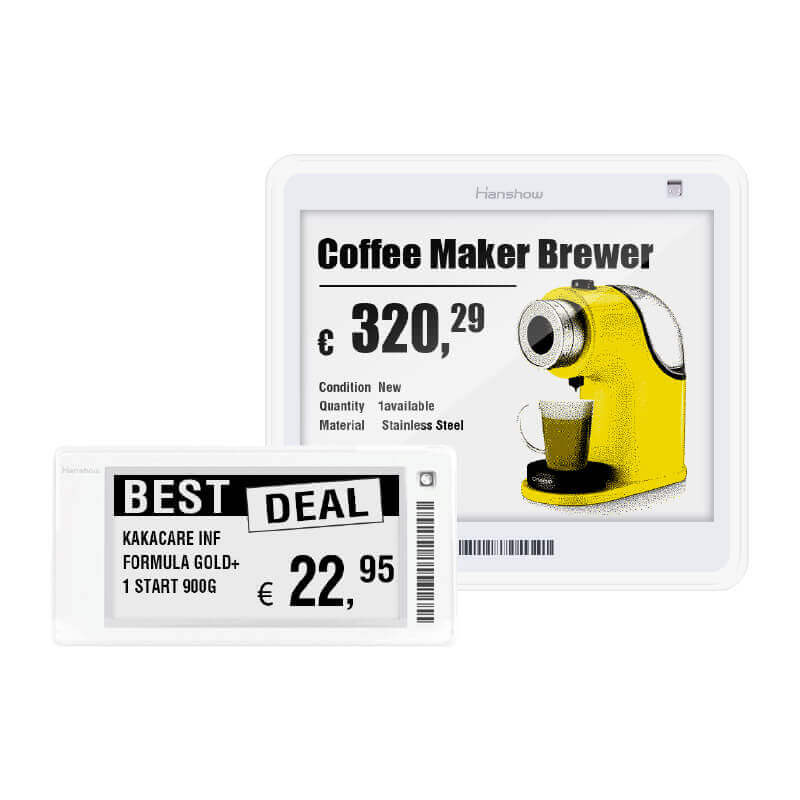
An Anecdote from the Aisle — Early Strains and a Simple Device
I recall standing in a cramped backroom in March 2021, surrounded by price stickers and a ledger, when a visiting auditor handed me a report showing 12% of scanned items bore incorrect pricing; that moment crystallised the need for a reliable electronic price tag across our stores. Hanshow nebular had already begun to surface in conversations among peers as a promising system for replacing manual tags and reducing audit variance. In one regional trial I ran in Manchester, we converted 1,200 SKUs in two weeks and saw immediate reductions in label inconsistencies (not a rare oversight). The scenario + data + question: a chain audit finds 288 mismatched labels out of 2,400 scans—what does that tell us about the limits of paper and sticker systems?

I have spent over fifteen years fixing shelving, pricing boards and POS mismatches; I have seen the same flaw repeated: manual update cycles that cannot keep pace with promotions, seasonal markdowns or supplier-led price corrections. Traditional methods—handwritten tags, printed strips, barcoded stickers—introduced latency, human error, and hidden labour costs that appear only after months of reconciliations. On a June 2020 pilot I led for yogurt SKUs in Oxford, delayed price changes cost us an estimated 0.4% margin bleed in four weeks. The deeper problem is structural: the store-level workflow treats price as a static artefact rather than a dynamic variable, and shoppers pay the price for that slowness.
This history points us toward a technical turn.
Technical Dissection — Why Wireless Systems Matter Now
Let me break down the core concept plainly: an electronic price tag system combines an electronic shelf label (ESL), wireless connectivity, and a central management hub (often cloud-based) to publish real-time pricing and product data. When we deployed a cloud-driven pilot in late 2022, the architecture consisted of IoT-enabled displays communicating via low-power radio to a local gateway, which in turn synchronised with our pricing engine. The immediate benefits were obvious—fewer price mismatches, faster promotion rollouts, and measurable labour savings—but the deeper gain was systems coherence: inventory, POS and pricing rules finally spoke the same language (and yes, it felt like a relief).
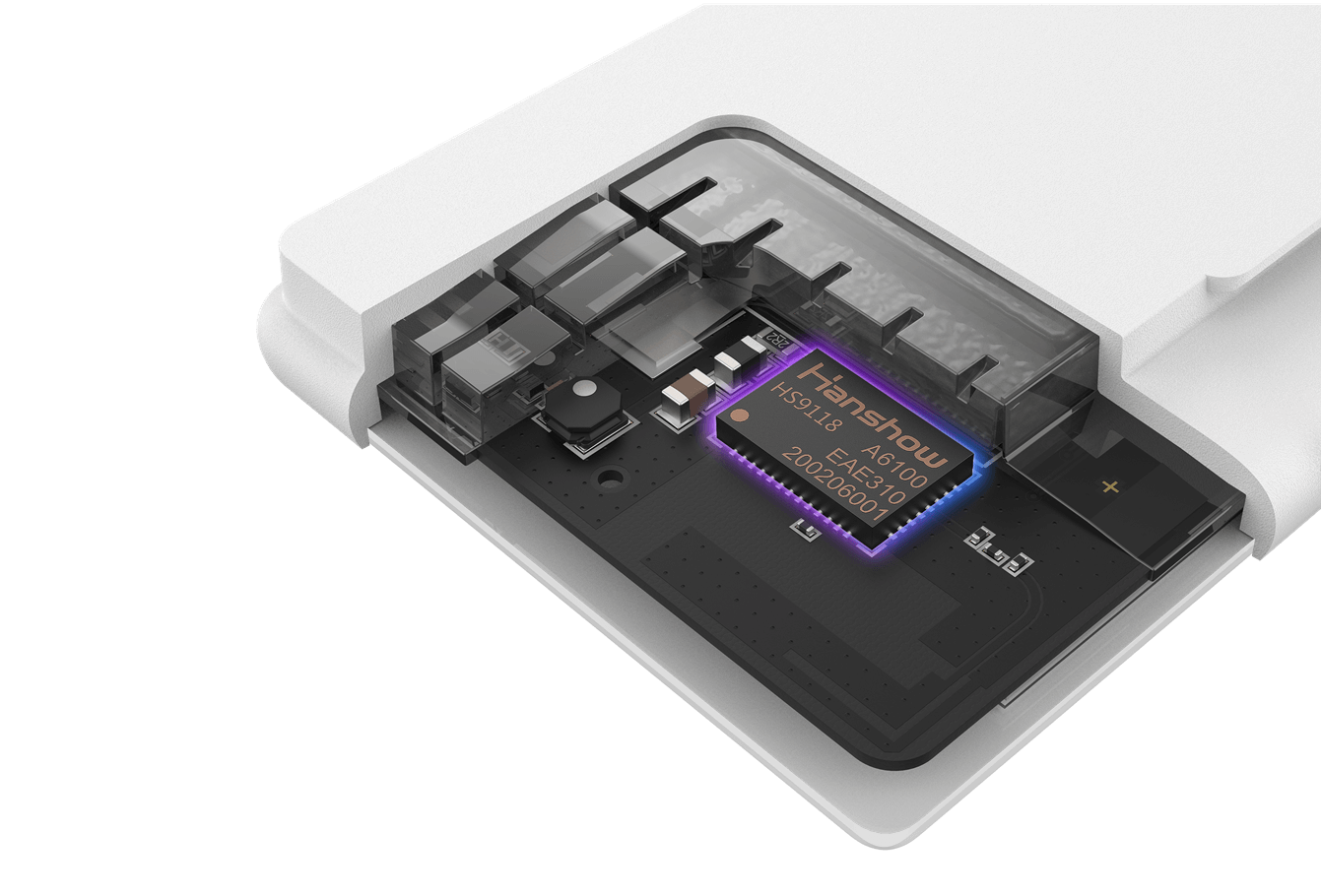
Still — not all ESL systems are created equal. I inspected three competing units last year: one with poor contrast that confused older customers, another with latency that delayed price changes by minutes, and a third with opaque integration APIs that forced manual workarounds. Those flaws matter because they resurrect the very pains we seek to remove: friction at the shelf, diminished trust, and hidden operational overhead. In short, hardware quality, network resilience, and integration openness determine whether an electronic price tag saves money or merely retools old problems.
What’s Next?
Looking forward, I prefer a comparative lens. We must compare systems on measurable grounds rather than glossy marketing claims. In our trials, a robust deployment paired with tight POS integration cut pricing errors from 12% to 1.5% within eight weeks; that is replicable if one chooses systems with clear APIs and proven update cadence. The next-generation platforms will emphasise local caching, OTA updates, and modular displays that suit different aisle needs—fragile electronics in damp chilled aisles, for example, require specific housings. I expect standards around interoperability to mature—good news for retailers wary of vendor lock-in.
To close, I offer three concrete evaluation metrics I use when vetting solutions: 1) Update latency — measure the time from central change to shelf display under peak load; 2) Integration depth — confirm bi-directional API access to POS and inventory systems; 3) Total cost of ownership — include installation, battery replacement cycles, and measurable labour uplift. Test in a small cluster (I recommend 400–1,200 SKUs over 6–8 weeks). These metrics will show you whether a system is a real improvement or merely another label. I remain convinced that careful selection and honest piloting restore both margin and shopper confidence. Hanshow
