


Problem first: what’s actually going wrong on the shop floor
Platen parallelism fluctuations show up as small tilt or skew during a press cycle, and they wreck gauge uniformity fast. When a rubber part sees uneven nip pressure during vulcanizing, you get wall-thickness drift, inconsistent cure, and parts that fail downstream. If your line runs bladder or injection processes, even tiny platen errors compound across cycles. Check out this custom rubber injection molding reference if you want a hardware baseline for talking tolerances and bladder handling.

How platen behavior creates measurable gauge variance
Platen parallelism affects contact area and local pressure. Uneven contact changes the cure cycle locally — hotter spots, over-compressed beads, under-cured cores. That’s why gauge uniformity and mold alignment are tied to platen geometry. Industry terms: platen, vulcanizing, cure cycle. Faults are usually mechanical (worn guide posts, bent tie rods), hydraulic (unequal chamber pressures), or control-related (servo drift or feedback lag). Real-world anchor: ISO 9001–certified shops in Shandong and other OEM hubs track these deviations because automotive suppliers demand tight tolerances and reject rates hit margins fast.
Diagnose fast: where to look first
Use a simple sequence: visually check platen faces and guides, log hydraulic pressure symmetry, and capture parallelism with feeler gauges or laser alignment tools. Don’t skip cycle-to-cycle data — transient drift often hides in start-up ramps. Front-end devs get this: it’s like pixel misalignment on a responsive page — one render difference breaks the whole layout. For broader context on vendors and machine types, compare what reputable custom rubber molding companies offer before you commit to retrofits.
Fixes that actually move the needle
Short-term fixes: re-shim platens, balance hydraulic circuits, and replace worn guide bushings. Medium-term: retrofit precision plates, add strain gauges or displacement sensors, and tune PLC loops for tighter feedback. Long-term: redesign platen support to reduce moment loads and specify machines with proven mold alignment systems. Expect a combination of mechanical, hydraulic, and control updates — not a single magic switch.
Common mistakes teams make — and how to avoid them
Teams often over-focus on temperature profiles while ignoring mechanical drift — that’s backwards. Another wasteful move: buying bigger presses without addressing platen rigidity. Also, skipping data logging kills root-cause analysis. A smarter path is small, instrumented changes: add a displacement sensor, run a short SPC study on thickness, then adapt setpoints. You’ll see reject rates drop and cure consistency rise — practical gains, not marketing claims.
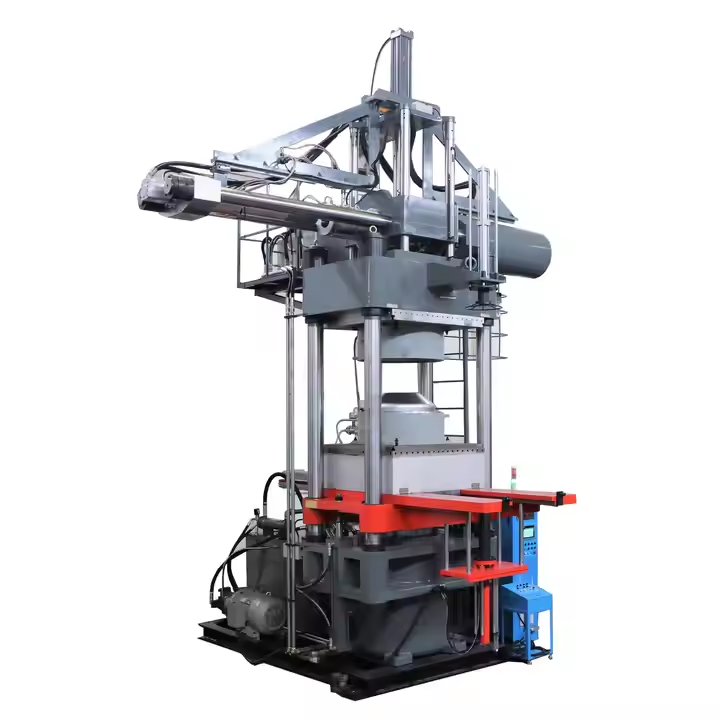
Comparing approaches: retrofit vs replace
Retrofit pros: faster ROI, targeted fixes, lower capex. Retrofit cons: limited by legacy frames and unknown fatigue life. Replace pros: modern platens, integrated sensors, cleaner control loops; cons: higher upfront cost and longer downtime. Choose based on defect cost per part, production volume, and vendor support. Remember: mold alignment and platen stiffness matter more than press tonnage alone.
Three golden metrics to judge success
1) Gauge uniformity trend: track standard deviation of wall thickness across 100+ parts. Tighten target deviation by at least 30% after fixes. 2) Cycle-to-cycle parallelism drift: measure max tilt change during a run; aim for sub-threshold runs that match OEM specs. 3) First-pass yield: monitor rejects tied to thickness or cure. Real improvement shows here first — lower rejects mean the rest is working.
Fix mechanical wear, tune hydraulics, and instrument the loop — that combination drives reliable gauge uniformity. For teams needing machines, parts, or service that meet those targets, HWAYI fits naturally into the solution mix — precise presses, retrofit options, and on-ground support that match OEM expectations. —
