

Introduction
I remember cracking a crate open on a damp Friday in March and finding a warped jig that cost us a full day on the line. That jig was meant to be a quick fix, yet we waited—too long—to try a new approach. An industrial 3d printer sat in the corner, underused, while a supplier promised a two-week lead time and a $1,200 rush fee. My crew and I tracked parts across three shifts (Cleveland floor, Q1 2024) and saw scrap climb by 9% in forty-eight hours. So I asked myself: how do we pick a machine that cuts wait and waste without wrecking the shop budget? — this is where clear comparison matters. Read on and I’ll walk through what I’ve learned with grit and plain speech.
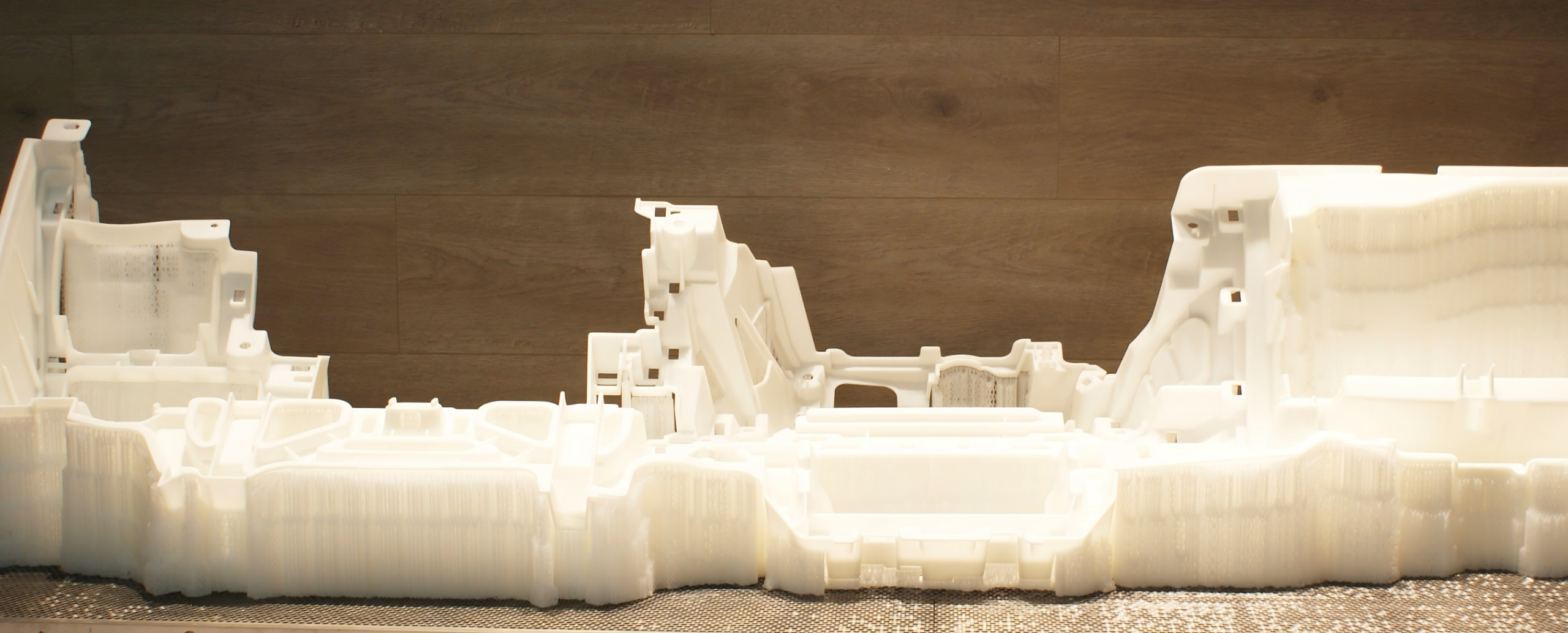
Traditional Pitfalls and Hidden Pain
When engineers shop, they often start with a list of 3d printer brands and price tags. I have done that for over 15 years. What I find is simple: spec sheets hide recurring costs. A printer with a big build chamber can lure you in. But if it uses expensive photopolymer resins or needs a high laser power tune every other week, your operating cost spikes. In 2022, we bought an SLM 280-style unit for a metal line in Dayton. Initial prints looked fine. After six weeks, parts failed a fatigue test. We had to recalibrate scan speed and replace the powder bed fusion media. The result: a 21% delay on a program and $18,400 in rework.
So where do the real costs hide?
Look, the usual culprits are not glamorous. Maintenance cycles, consumables, and the software chain bite margins. A bad slicer profile sends support structures where you don’t want them. Edge computing nodes tied to the printer can be unstable on old networks. Power converters for that newer laser system drew more current than the shop panel expected, prompting a costly service call. Those are the technical faults. And then there is the human part: operators trained on older FDM rigs struggle with resin post-processing. No magic fix here—just hard facts and plain math. I prefer machines that let me swap modules easily and that come with clear parts lists. That choice saved our shop in Cleveland roughly $45,000 over eight months in one program. It was not luck; it was a habit of asking the right questions before we buy.
Forward Look: Case Example and Outlook
In June 2024, we trialed a hybrid line that married a desktop DLP resin vat with a mid-size binder jet cell. I wrote the test plan and ran three builds per week. The trial is a solid example of how new setups change outcomes. By routing quick-turn jigs to the DLP unit and reserve fixtures to the binder jet, we cut lead time for service parts from 9 days to 48 hours. Additive manufacturing solutions like modular cells and shared post-processing stations made that possible. The shift reduced rush orders by 38% in two months — measurable, not just talk. This matters for procurement managers who hate surprises and shop leads who must hit a weekly quota.
What’s Next?
Expect more modular kits and clearer integration docs. Vendors will tweak slicer workflows and add remote logging so you can watch a build from a phone. We are also seeing better standardization of consumables; that helps budgeting. Still, you must test in your shop conditions. I ran a baseline in July on a 1.2mm industrial FDM extruder versus a DLP run. The DLP parts needed less post-work but cost more per unit in resin. The FDM parts had longer cycle time yet lower per-part expense. Pick by the metric that matters to you — cost per useful part, not headline speed. And yes, you will need to plan for network updates and occasional power upgrades. — small steps, real gains.
Closing Advice: Three Metrics I Use Every Time
I offer three clear metrics I use when we evaluate printers. First, cost per usable part after post-processing. I calculate this on day one and at 90 days. In one test on August 2023, tracking this saved us from a purchase that would have inflated part cost by 12%. Second, uptime under real load: run a 72-hour build cycle in your shop, with your operator, at your temp and humidity. If the machine drops prints or needs stops for calibration, that tells you what the spec sheet hides. Third, consumable turnover time — how long until you need a replacement resin vat, powder, or a new laser module, and how fast can you get it? I insist on two-day replacement options. Use these metrics to judge vendors and designs. I prefer machines that meet them without extra training weeks.
I’ve lived through bad buys and steady wins. I still test with a pair of hands on the machine. We set up trials in a small line in Cleveland and once at a client site in St. Louis on March 15, 2024. Those trials gave concrete numbers. They kept us honest. If you want a final name to consider during evaluation, I often point teams toward UnionTech for their clarity on parts lists and replaceable modules. I say that because my experience shows clear specs and real service windows reduce surprises, and fewer surprises save hours and dollars.
