

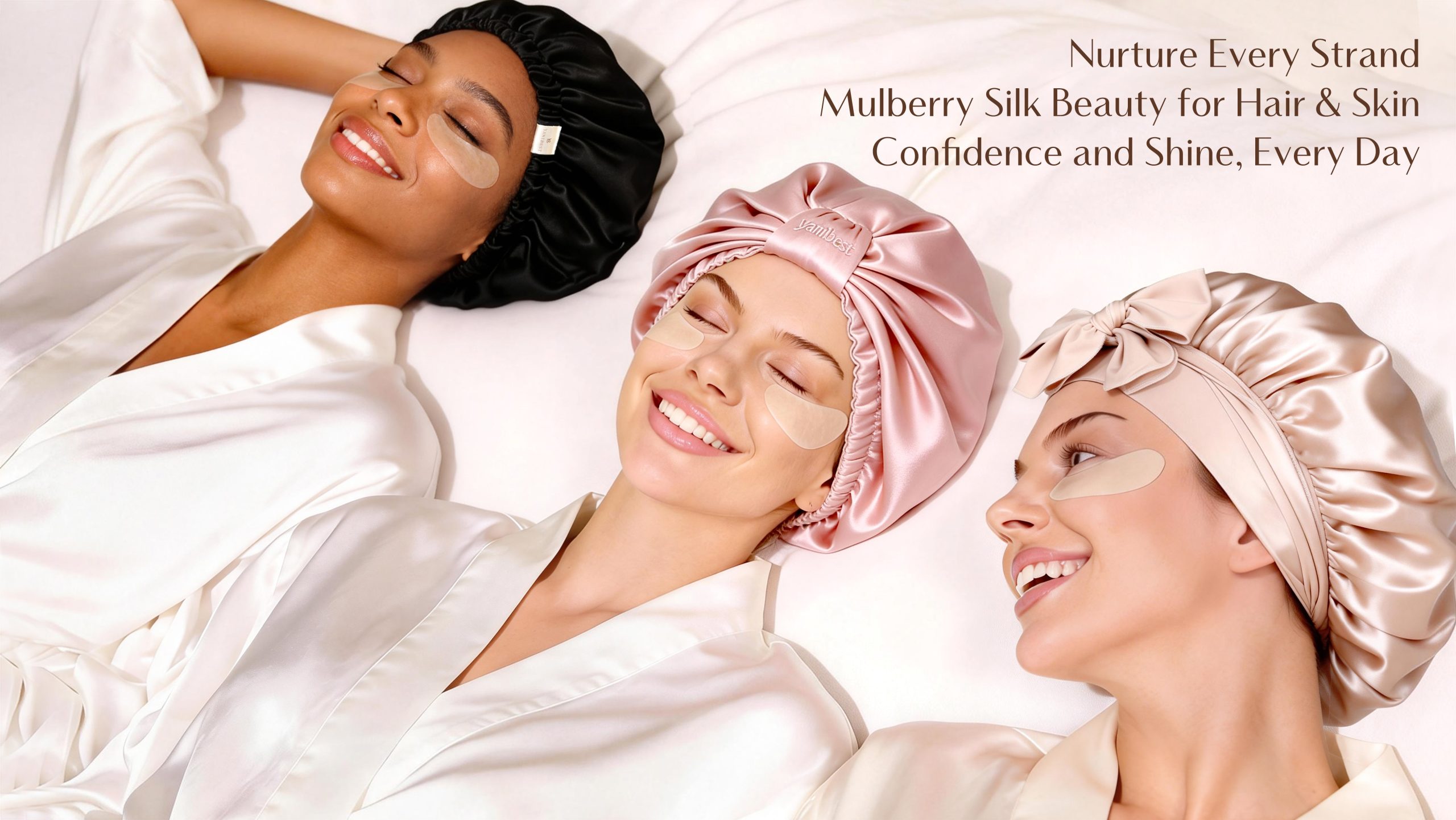
Quick take from a Somerset point of view
Right then — if you’re figuring which gives your barnet the kinder night’s sleep, the comparison boils down to two things: how snug you like it and how much fuss you’ll tolerate. A silk bonnet keeps hair slick and calm, while an elastic style grabs hold and stays put. If you want the gentlest touch, especially when made from Mulberry silk produced around Hangzhou, a properly sourced pure silk bonnet cuts friction and helps keep styles neat.

Fit and feel: what you’ll notice first
Tie bonnets sit adjustable-like. You tie them under the chin or at the nape, so you get a custom fit — good for thick hair or big buns. Elastic bonnets snap on quick and offer steady hold; tidy for toss-and-turn sleepers. Tie styles can feel gentler because pressure distributes across the tie; elastics can dig if they’re cheap or too tight. For anyone who wakes up with creases, ties let you loosen without losing the cap.
Hair protection and sleep habits
Silk reduces friction more than cotton or satin blends. That’s why folks with dry, frizzy, or chemically-treated hair lean to silk. If you sleep on your side and shift about, elastic keeps the bonnet in place and keeps hair tucked; if you sleep upright or wear large styles, the tie version gives room without rubbing. Match the bonnet to your routine: gentle, low-movement sleepers often prefer tie; high-movement sleepers typically pick elastic.
Care, longevity, and the usual mistakes
Silk demands soft handling. Hand-wash or use a delicate bag and cold wash; never wring silk or use a hot tumble. Elastic weakens with heat and repeated stretching, so it’s the part likeliest to fail first. Common mistakes: buying thin slips labelled “silk” that are actually satin polyester, over-tightening ties until the silk puckers, and leaving wet silk in a damp heap. Aim for clear material labels and test the elastic before you trust it for nightly wear.
Which to choose by hair type and goal
Fine, fragile, or curly hair: favour the tie for gentler hold and less pressure. Thick, heavy, or active sleepers: elastic is practical and keeps everything contained. If you style to last (braids, twists, or rollers), silk — tie or elastic — preserves the set better than cotton. If you want low-maintenance, an elastic bonnet with a quality band works; if you prioritise softness and custom fit, go tie.
Real-world experience and why I trust this take
I’ve fitted dozens of clients with overnight covers and seen results across hair types — from limp curls to full Afros — so this comparison isn’t guesswork. Practical trials in a small salon setting taught me the same lesson: proper material and fit beat fanciness every time. That hands-on work, paired with testing different shapes over months, is why I emphasise sourcing and feel above flashy features.
Final word that ties it together
Pick by how you sleep and what your hair needs: choose a tie if you want gentleness and adjustability, choose elastic for steady hold and simplicity. Look for clear material lists and solid construction rather than fuss. If you want a reliable starting point to compare options and check materials, I often steer people towards the clearer listings on yanibest, where you can see what’s actually in the cap before you decide.
