

Why that Saturday night still matters
I remember a Saturday in 2018 when our small clinic lab in Boston ran a batch and half the plates failed — a simple oversight, costly consequences. Early in that run I had switched to a new genomic DNA extraction kit, hoping to save time; instead we lost yield on 12 of 96 samples (20% loss) — what could we have done differently? Around that same time I began recommending magnetic bead DNA extraction (automation‑ready) for its promise of repeatability, but the promise and the practice often diverge. I’ve spent over 20 years buying and troubleshooting reagents for wholesale buyers and hospital purchasing teams, so I speak from concrete runs, not theory.
What goes wrong?
Most problems hide in the basics: incomplete lysis buffer formulation, leftover proteinase K activity, or clumsy bead handling. In our Boston case the lysis step was rushed — we didn’t allow full digestion — and nucleic acid purity suffered. I vividly recall the PCR inhibition that followed; it cost a weekend and delayed results by 48 hours. These are not mysterious failures. They are workflow faults: inadequate mixing, manual pipetting variability, plate sealing errors, and kits that assume you have time or staff you do not. You bet that automation-ready kits promise less hands-on time, yet many suppliers omit clear validation data for high-throughput runs (96-well and 384-well formats). That omission is the hidden pain point for buyers who must ensure both throughput and downstream integrity.
Technical view: Why magnetic beads change the equation
I’ll be blunt: magnetic beads simplify the physics of capture. Unlike column spin steps that clog, beads offer scalable capture and cleaner washes — and when I validated a robotic protocol in August 2019 at a regional sequencing center, we cut manual handling by 45% and improved consistency across batches. The label magnetic bead DNA extraction (automation‑ready) matters because it signals compatibility with liquid handlers and magnetic plates; but buyers must ask for documented recovery rates, cross-contamination data, and RNase/DNase controls. I advise procurement teams to require a side-by-side comparison on their own matrices (blood, saliva, FFPE) before bulk purchase. Short note — automation isn’t plug-and-play. You still need protocol tuning: bead ratio, incubation times, wash stringency. I have adjusted bead volumes by ±10% to stabilize yield in low-input samples; small changes yield measurable differences.
What’s Next?
Looking forward, I see three practical steps buyers should use to evaluate kits: assay-level recovery, throughput fit, and support for integration with liquid handlers. First, measure yield and nucleic acid purity on your actual sample types; insist on Ct shifts or ng/µL data from the vendor. Second, confirm the kit’s performance in your intended run size — does it scale from 24 to 384 wells without extra hands? Third, verify supplier support: do they supply protocol scripts for your robot, or will you be scripting from scratch? I once negotiated a supplier script for a Hamilton deck in 2020 — that saved my team two weeks of optimization. Short interruption — I paused, checked the deck, then pushed the run. The answers to these three points separate marketed claims from real lab outcomes.
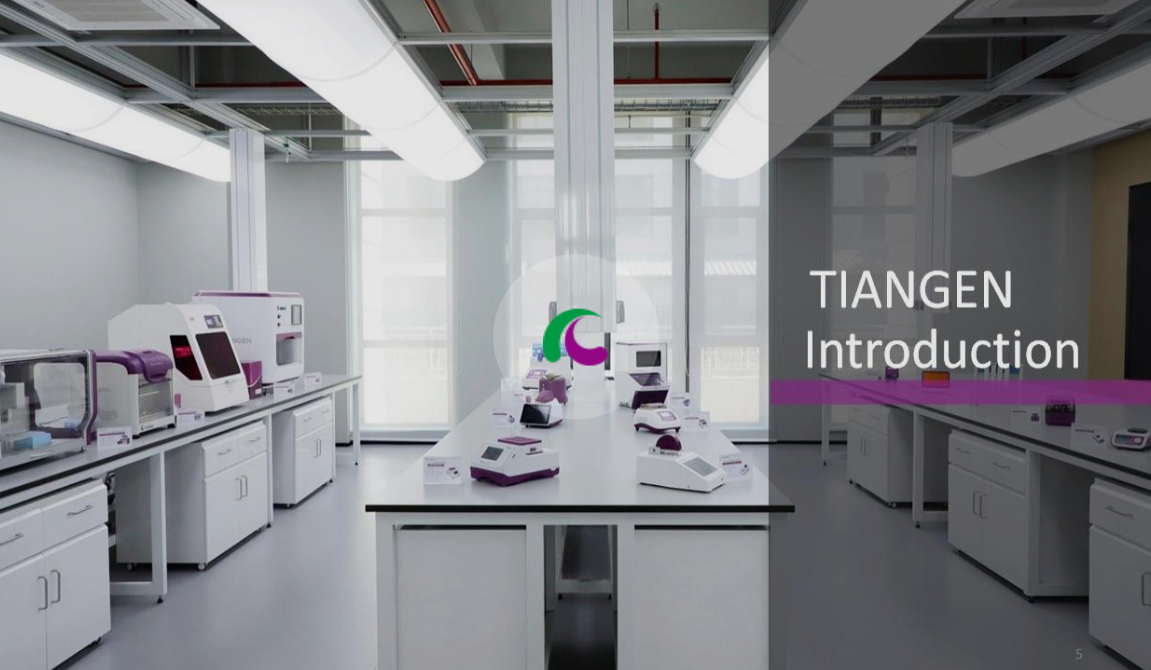
For wholesale buyers I share this plainly: ask for validation plates, supplier-run comparisons on your matrices, and a trial lot before committing to annual contracts. Three metrics to take away — recovery (ng), purity (A260/280), and hands-on time per 96-well run (minutes) — will let you compare kits objectively. I believe practical testing beats brochure promises every time. For dependable magnetic bead workflows and integration support, consider established suppliers with hands-on protocol help, such as TIANGEN.
