

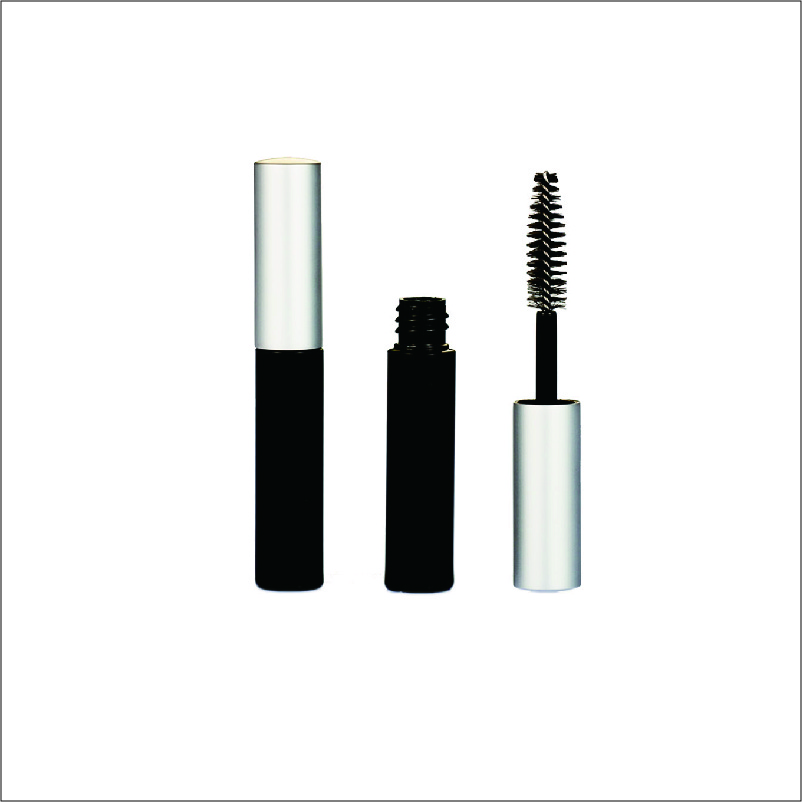
Opening Scene: A House Brand, a Tight Clock, and a Bigger Question
You are prepping for a seasonal drop. Forecasts look solid, inventory is tight, and the launch clock is ticking. Meanwhile, empty mascara tubes wholesale seem like the fastest lever to pull for cost and speed. Last quarter, a mid-size beauty label I know cut unit costs by 12%, yet returns rose after a small spike in dry applicators and leaky wipers. That is not unusual; even a 1% defect rate on 50,000 units means 500 unhappy customers and a hit to lifetime value. So, what is the real gap here—price, process, or the way we compare options? (It is often a mix of all three.) The bigger question is simple: how do you pick the right wholesale route without risking seal integrity or finish quality?
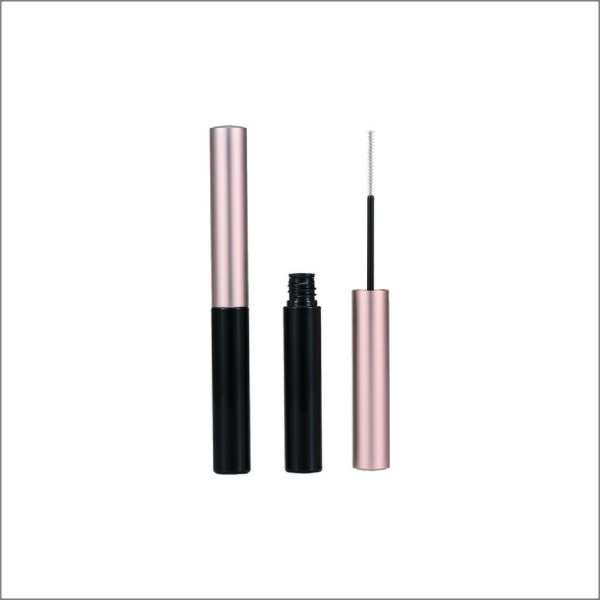
Let us unpack the trade-offs—and the quieter issues that hide behind a low price tag—before we look ahead to smarter tech and better choices.
Hidden Seams: Where Traditional Fixes Miss the Real Pain Points
Why do low defects still hurt margins?
Let us take a technical lens. When teams switch vendors fast, they often change resin blends, wipers, and brushes together. Early trials pass visual checks, but the friction pair between stem and wiper shifts under heat and pressure. A dependable mascara tube supplier will model torque curves and air exchange during insertion, not just the look. Yet many buyers rely on a short pre-shipment check. That hides issues like micro-gaps in injection molding or loose tolerances at the neck. These show up weeks later as dry-down, cap backspin, or smudging. The flaw is not only QC—it is the test window itself.

Another pain point: batch-to-batch color drift and coating wear. UV coating and vacuum metallization look great on day one, but abrasion along the fill line can expose base resin if adhesion specs are thin. Traditional fixes add more lacquer. That raises cost and lead time, but not durability—funny how that works, right? Look, it’s simpler than you think: lock the system first (wiper, stem, brush, bottle), then chase aesthetics. MOQ pressure often flips that order. And when PCR resin enters the mix, shrinkage and flow change. Without re-tuned molds and gate design, your airtight seal can fall below spec. The result: subtle, costly returns that pure price cannot explain.
Forward View: Better Principles for the Next Procurement Cycle
What’s Next
Now a semi-formal pivot—toward tools that make wholesale safer. New resin strategies pair PCR content with stabilizers to keep shrinkage predictable. Digital mold mapping uses high-resolution scans to track neck roundness and cap thread wear after 1,000 cycles, not just ten. Inline torque testing and vacuum leak tests add a simple pass/fail gate before cartoning. And small changes to wiper lip geometry reduce air ingress while keeping smooth payoff. This is how a strong partner treats systems, not parts. If you plan volume buys via mascara tubes wholesale, you can ask for these controls without slowing your calendar (a good supplier already runs them in-house).
There is also a process shift worth noting. Instead of one big golden sample, smart teams run staggered pilots across ambient, cold, and hot holds, then watch mass balance changes. The data is light but telling: weight loss, torque decay, ΔE color drift, and brush fiber splay over time. It sounds complex, but it is just time-phased checks with tight feedback. The bonus—you improve fill efficiency because the wiper is tuned to your viscosity, not a generic spec. That means fewer clumps, cleaner rods, and less scrap at filling—small wins that add up, and fast.
Choosing Smart: Three Metrics That Matter
To wrap the comparison into action, use three simple metrics. First, seal integrity rate: require a vacuum leak threshold plus cap back-off torque after aging; anything below target will show up as dry-down later—no surprises. Second, finish stability: track ΔE color variance and RU surface roughness after abrasion; this predicts how your lacquer or metallization holds up in transit and on shelf. Third, system fit: validate wiper-stem-brush synergy against your bulk viscosity, then confirm PCR resin behavior with updated tolerances. These are small asks with big payoff. In short, price matters, but system health matters more. And that is the calm path to scaling without noise. For an industry view grounded in practical testing—and quiet reliability at volume—see NAVI Packaging.
