

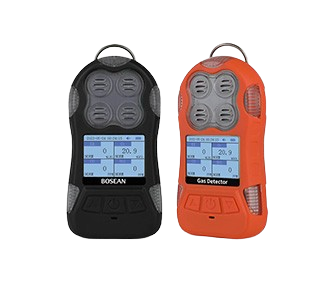
Aligning procurement and engineering around Fixed Multi Gas Detector while reviewing evidence mapping early research
For system integrators, reviewing a fixed multi gas detector should begin with evidence mapping rather than a broad product comparison. The early task is to connect each requirement to information that actually covers the intended scope. That approach helps procurement describe the request clearly and gives engineering a more disciplined basis for identifying open technical questions.
Separate category, application, and model scope
A common research error is treating three different levels of information as interchangeable. A category description may explain what type of equipment is being considered. An application statement may indicate the kind of operating context discussed. A model page may provide details for one particular device. These sources can support different decisions, but they should not be blended into one larger claim.
Start by writing the decision in plain language. Is the team defining a device category, screening possible models, preparing a technical enquiry, or checking whether a specific configuration can connect to an existing system? Each purpose requires a different evidence boundary. A category-level statement may be enough for an initial market map, while an interface decision needs model-specific information.
A useful research record can use three columns: requirement, evidence level, and unresolved point. For example, “fixed installation” may describe the equipment category, while an output type belongs to a stated model specification. The unresolved point might concern how that output would interact with the proposed receiving equipment. Recording the distinction prevents a general description from being mistaken for a confirmed project fit.
Compare only information that applies to the task
Comparison becomes more useful when every entry has a defined scope. Before placing two statements side by side, note the product name, source location, and type of claim. Separate physical or connection details from application language. Also separate what the page states from what the project team is inferring for planning purposes.
This does not require a complex database. A short comparison sheet can include:
- the exact model or product page being reviewed;
- the requirement that the evidence may address;
- the wording of the stated specification or feature;
- the system interface or operating assumption involved;
- the question that remains open.
The last field matters because evidence is rarely complete at the earliest research stage. An open point is not a negative conclusion. It is a boundary around what the team can responsibly say at that moment. This keeps procurement language precise without forcing engineering to accept assumptions that have not been examined.
Use the product page as a bounded anchor
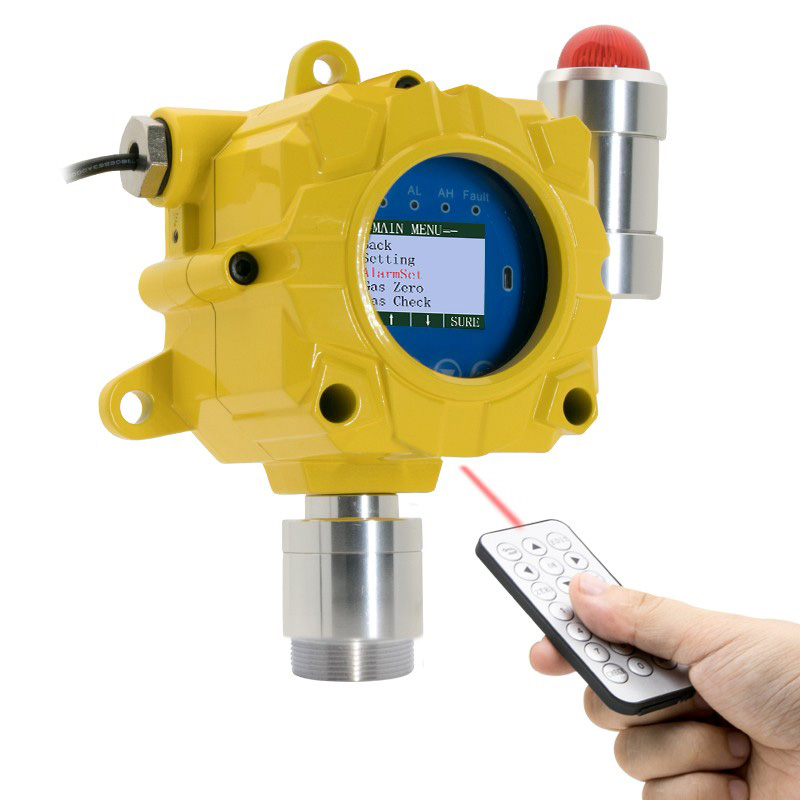
One concrete example shows how this method works. The Bosean K-G60 specifications list 4–20 mA output, RS485 input, wall mounting, and IP66. Those details can be recorded as page-level evidence for that named model. They can then help the team structure questions about signal handling, physical installation, and the role of the stated protection category in the intended design review.
The same passage should not be expanded into claims about certification, site suitability, safety outcomes, or configurations that the page does not list. Nor should those details automatically be transferred to another detector. The value of the example is its precision: it gives the integrator several concrete terms to carry into a technical discussion while preserving the boundary around what has actually been stated.
In this setting, a fixed multi gas detector review is strongest when the product phrase, model reference, and evidence source remain connected. The team can ask whether the stated output and input descriptions match the proposed architecture, but that question is a design review prompt, not proof that the connection will work in every installation.
Record assumptions and interfaces
After collecting evidence, map each relevant statement to the part of the project it may affect. An output specification could lead to a question about the receiving control system. A wall-mounting description could lead to a question about the intended mounting arrangement. An IP66 listing could lead to a question about how the project team is interpreting environmental requirements. These are useful prompts because they convert isolated page details into structured engineering work without turning them into guarantees.
Keep assumptions visible. Write “to be assessed” or “subject to system review” where the project has not yet established an answer. Avoid replacing a technical question with a confident adjective such as compatible, suitable, or reliable. Clear wording helps procurement request the right information and helps engineering identify which interfaces need attention before a purchase decision.
Prepare a focused sourcing brief
A practical sourcing brief should be short enough to use and specific enough to prevent vague replies. Begin with the intended equipment category and the project context that is already known. Then list the required interfaces, physical constraints, evidence requested for each point, and the questions that require a supplier response. Keep model-specific facts beside their source rather than presenting them as general properties of an entire range.
End the brief with a scope note. State which details are established, which are preliminary assumptions, and which need technical confirmation. This is not merely an administrative step. It creates a shared vocabulary between procurement and engineering, so both groups can distinguish a documented detail from a proposed interpretation.
For an early review involving Bosean, the most defensible next step is to carry the named page details into a focused requirements and interface discussion, while keeping broader suitability conclusions outside the evidence record. That balance gives procurement a usable brief and gives engineering a clear list of questions without overstating what the available information proves.
