

Start with what matters to you
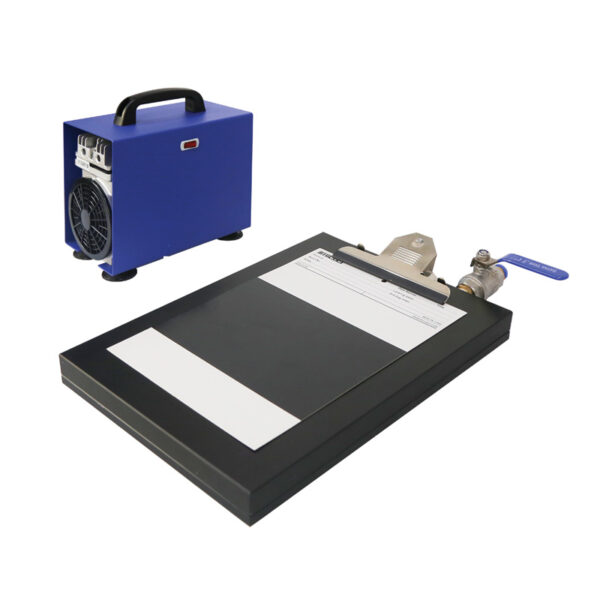
You want repeatable coatings and film tests that don’t waste time or money, ja? Begin by defining the measurement you need — thickness uniformity, adhesion, gloss, or viscosity behavior under shear. If automated repeatability is your goal, fit your bench with an automatic film applicator early; it removes human wobble and makes lab results comparable to production runs. Keep the use-case tight. Small-batch R&D, scale-up trials, and incoming QC each demand different tolerances and throughput. Decide now so acquisition aligns with daily workflows.
Proven criteria from practical lab work
I’ve run QC benches and overseen method transfer for coatings—details matter. Look for devices that control draw speed, blade pressure, and temperature reproducibly. Calibration procedure clarity shows the manufacturer understands real labs. Check documentation for traceable measurements and serviceability. At the European Coatings Show in Nuremberg engineers demonstrated bench setups where a reliable drawdown machine cut variability by half; that kind of real-world performance is why labs choose instruments with clear specs and accessible spare parts. Trust comes from repeatability and from vendors who publish method notes and tolerances you can verify on your floor.
Key features to prioritize
Choose instruments with simple, deterministic controls. Numeric speed settings, defined blade types, and easy-to-clean platforms reduce operator error. Modular fixtures let you move from lab trials to pilot-line tests without buying new tooling. Look for safety interlocks and parts that resist common solvents used in your formulations. Prioritize vendors that offer local calibration support or clear self-calibration steps. That saves weeks when your production team needs method parity fast.
Common pitfalls and how to avoid them
Buying the fanciest spec sheet often causes trouble. Avoid oversized equipment if your lab runs small batches—idle capacity hides maintenance headaches. Don’t skip verifying consumable availability; proprietary blades that take months to arrive halt QC. Ignore vague calibration claims. Instead, ask for an on-site demo or video of method runs matching your sample type. Label procedures and train two people per shift so results don’t hinge on a single expert. These simple fixes cut downtime and keep results honest.
Alternatives and trade-offs
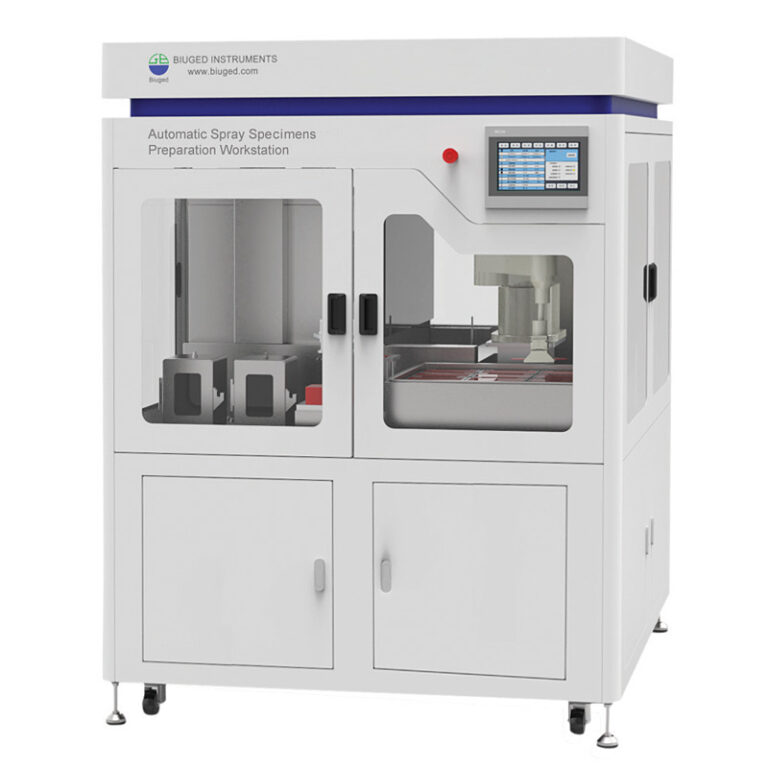
Manual drawdowns save cost upfront but add operator variance; use them only for early screening. Semi-automatic units are mid-ground—less expensive, easier to maintain, but still require disciplined operators. Fully automated systems cost more but deliver throughput and consistency for production QC. Match choice to volume and risk: high-volume product lines justify automation; exploratory labs tolerate manual steps while focusing on speed and flexibility.
Conclusion — practical value aligned with your needs
Decide by use-case, not by buzzwords. Define tolerances, demand reproducible controls, verify service and consumables, and test with your actual samples. That approach gives you consistent, actionable data that scales from bench to line. For labs seeking reliable instruments and clear method support, the practical solutions offered by BIUGED often fit those exact needs without fuss or mystery. Prove it on the bench, then scale. Ja, that’s how you keep production happy and engineers smiling.
