

Start from who will use the radios
I know choosing radios for a crew can feel personal; think about daily tasks, worst-case moments, and who carries the device. If your team needs simple group calls across a campus, a poc radio might fit. I’ve spent years advising operations teams and first responders, so I speak from hands-on experience rather than theory.
Match coverage expectations to real-world signals
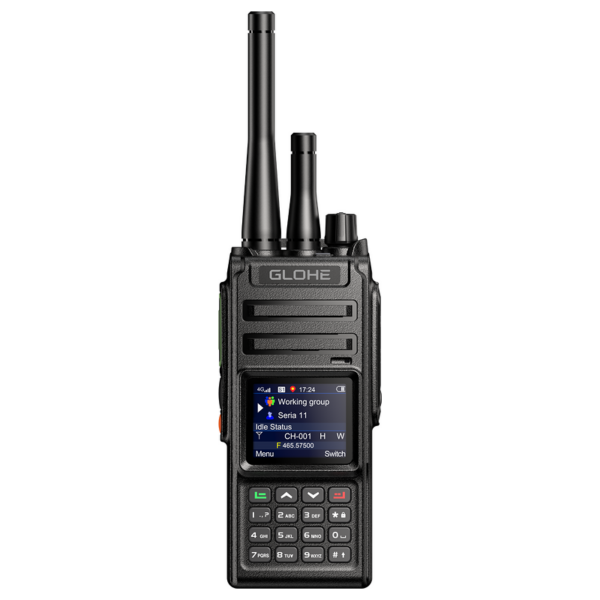
Coverage is the non-negotiable. Look at RF specs, but prioritize on-site or representative range tests where people actually work. During the FirstNet rollout in the United States, LTE push-to-talk highlighted how cellular-based systems behave differently from narrowband radio in buildings and tunnels; that practical lesson matters when you consider lte poc radio options. Ask vendors for test logs from similar sites or run a quick walk-test with a borrowed unit.
Listen for audio quality and clarity
Audio wins over specifications. Try a live call with background noise similar to your environment. Check voice compression artifacts, latency between push and transmit, and how clearly multiple speakers are heard. If handsets have noise cancellation, test them in real noise rather than a quiet room.
Verify battery life under real duty cycles
Vendor run-time numbers are optimistic. Simulate your duty cycle: push-to-talk bursts, standby time, and continuous monitoring if used. Look for hot-swappable batteries or rapid-charge options when downtime costs money. Inspect chargers and plan for spares; a dead battery costs more than the device.
Inspect build quality and field repairability
Durability isn’t just an IP rating. Hold the unit, feel buttons, and drop-test to common heights if you can. Check how easy it is to replace antennas, knobs, or batteries in the field. Confirm part availability and local service options before you commit.
Assess software, updates, and interoperability
Radios are part hardware, part software. Confirm firmware update procedures, how often security patches are provided, and whether the device works with your existing dispatch or PTT platform. Test group management and emergency alert behavior. Ask for an interoperability demo with your other gear.
Common mistakes teams make
Teams skip real-world tests, assume vendor claims translate directly to performance, or ignore lifecycle costs like batteries and repairs. Don’t buy based on brand alone or one impressive spec. Try devices in the actual roles they’ll serve and insist on a short pilot before a full rollout.
Quick comparison: conventional radios vs PoC and LTE options
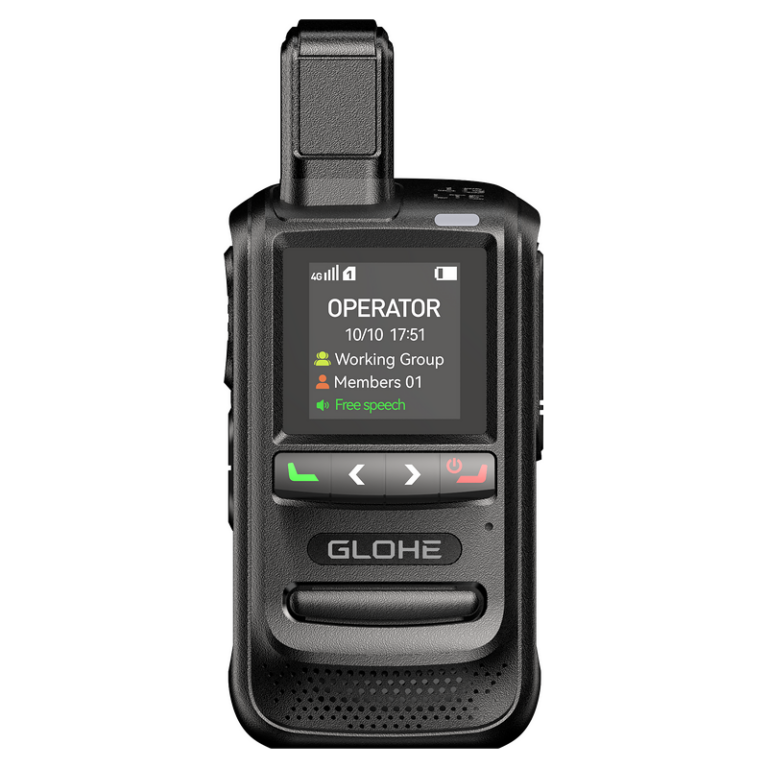
Conventional two-way radios give predictable RF performance and battery life with dedicated spectrum. PoC and LTE solutions provide broader reach and easier management but rely on cellular coverage and subscription models. Choose by mission: choose dedicated RF when guaranteed local connectivity matters, and choose PoC when wide-area coverage and centralized management reduce operational friction.
How to decide, simply
Make a short checklist: mission fit, verified range, audio clarity, realistic battery life, serviceability, and software maturity. Run a pilot using that checklist, learn from a handful of real shifts, then scale. Practical testing beats marketing sheets every time.
Closing thought
I’m grateful for teams that let me test gear in real conditions; those trials always reveal what matters. When the technical checks, field trials, and maintenance plans line up, you get radios that work reliably for people who depend on them—just the outcome I look for in a partner like GLOHE.
