

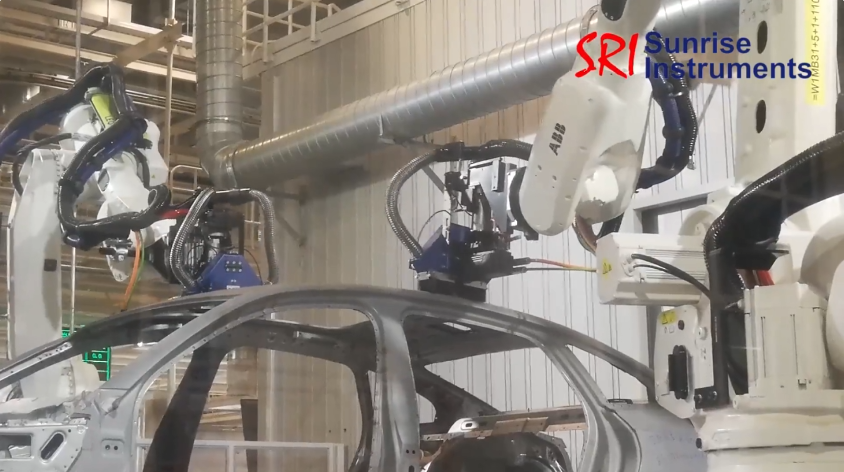
A Closer Look at Today’s Manufacturing Challenges
Imagine walking into a bustling machine shop, the air heavy with the sound of cutting tools and machines humming away. Believe it or not, research shows that nearly 70% of manufacturers are struggling with production consistency. This challenges not only efficiency but also profitability. What if I told you that incorporating a robotic machining system could be the game-changer you need in precision machining automation? While traditional machining methods can feel like you’re driving the same old car down a bumpy road, robotics promises the smooth ride you’ve been yearning for.
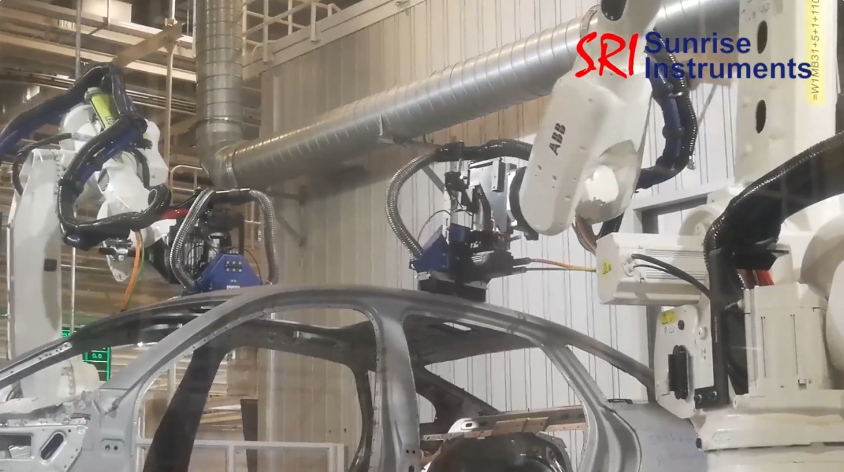
Why Robotic Machining Systems Are the Future
Let’s be real – traditional machining solutions often fall short. I’m talking about those frustrating moments when machines verbalize their displeasure through frequent breakdowns or inconsistent output. I vividly remember helping a friend upgrade his machining setup, which felt like a never-ending cycle of repairs. By switching to a robotic machining system, he finally found that elusive consistency, thanks to automation that eliminated human error (I mean, who doesn’t miss a beat occasionally, right?). In contrast, robotics seamlessly integrates into the production line, optimizing not only speed but also precision. Say goodbye to those hair-pulling scenarios every time a part doesn’t meet the specs!
What Are the Pain Points in Traditional Machining?
It’s one thing to fix machines; it’s another to understand the real issues behind them. Take for instance the infamous “set-up time” that has plagued manufacturers forever. I once witnessed a colleague spend half his day just adjusting machines for a new batch, leaving little room for actual production. With robotics, the scenario shifts: machines can adapt in real-time, standardizing processes and drastically reducing downtime. And guess what? This also cuts down on costly errors by tightening the production loop to ensure everything works beautifully together.
Looking Ahead: The Role of Robotics in Precision Machining
Now, let’s pivot to the horizon – where are we headed with precision machining automation? The advancements in a robotic machining system are nothing short of revolutionary. I anticipate that in less than a decade, robotics will redefine manufacturing standards, allowing for customizations at the speed of light. I’m constantly amazed at how quickly technology evolves. Just a few years ago, the idea of a fully automated machining line seemed more like science fiction than reality.

Real-World Impact of Robotic Machining
Consider how industries like aerospace and automotive are already embracing advanced robotic systems. I recently attended a showcase in Detroit, where companies highlighted how they halved production times simply by implementing smart robotic solutions. The impact isn’t just operational; it reflects on the bottom line. So many businesses stand to gain efficiencies, cut costs, and improve product quality (sounds like a win-win, right?).
As we advance into a new era of manufacturing, I can’t help but think of the formula for success: combine innovation with human guidance. While robots take over repetitive tasks, creative problem-solving remains uniquely ours. If you’re evaluating your next steps in adopting machining solutions, consider things like scalability, maintenance, and adaptability. These can make the difference between a good investment and a great one.
In wrapping this up, I can’t stress enough the power of foresight. Transitioning to a robotic system doesn’t just revolutionize production; it redefines your overall approach to manufacturing challenges. Remember, staying ahead means continuously evaluating and adapting to fresh insights and technologies! For those ready to embrace the future of machining, I recommend checking out the innovative offerings at nan. Dive into the world of robotic excellence and watch your productivity skyrocket!
