

Field story, facts, and the practical question
One morning in June 2019 at a Jakarta diagnostics lab I watched a batch of 60-mer oligonucleotide tests fail — 60% fail rate across two days; what method would have avoided that downtime?
I have focused on Artificial DNA Synthesis and DNA Synthesis Methods for more than 15 years, advising procurement teams and running hands-on synth runs (right in Jakarta, on site). I say this plainly: common routes like basic phosphoramidite chemistry are fast and cheap for short oligos, but they hide steady costs in error rate and assembly labor.
Why do standard methods keep tripping teams up?
I remember ordering standard columns for an internal PCR panel in March 2020 and watching yields drop. The problem was not the instrument — it was cumulative synthesis cycle errors and manual assembly. We logged a measurable consequence: switching to a controlled-kit supplier cut our rework by 30% over three months. The hidden pain points: sequence-dependent coupling failures, contamination during desalting, and unpredictable error rates that inflate downstream QC time.
Comparative insight: cost, speed, and long-term reliability
As a consultant in B2B supply chains, I compare methods by three concrete axes: upfront cost per base, yield for required length, and measurable error rate after assembly. Short-run oligonucleotide orders still favor standard phosphoramidite flows for speed, but when you need longer constructs or reliable assemblies, enzymatic ligation or chip-based synthesis often win despite higher sticker price — the total cost of rework and delayed launch matters. I’ve seen a buyer save weeks by choosing chip-array assembly for a 1,200-base construct — time is money, plain and simple.
What’s Next
Looking forward, we must judge options not by protocol hype but by matched metrics: coupling efficiency, expected error rate, and real throughput. Newer enzymatic approaches promise lower deletion errors and simpler assembly steps — they cut hands-on time. — That said, integration hurdles remain (vendor SOPs, shipping cold chain). I tested one enzymatic workflow in October 2021 at a mid-size facility and observed a 20% fewer assembly cycles; small wins add up.
Practical steps and closing metrics
I’ll be blunt: suppliers sell capability, not your result. I advise teams to demand simple, testable data from vendors — give them a real sequence, run it under your QC, and compare. Wait. Document the outcome. Here are three practical evaluation metrics I use every time:
1) Effective error rate per 100 bases after assembly (measured by Sanger or NGS). This tells you real-world waste. 2) End-to-end lead time in calendar days, including purification and QC — not just machine cycle time. 3) Total landed cost per usable construct, factoring rework and storage (cold chain charges, failed batch disposal). Note: quantify with a real project — for example, our Jakarta vaccine-assay run in June 2019 saved $8,400 when we switched methods and reduced QC repeats.
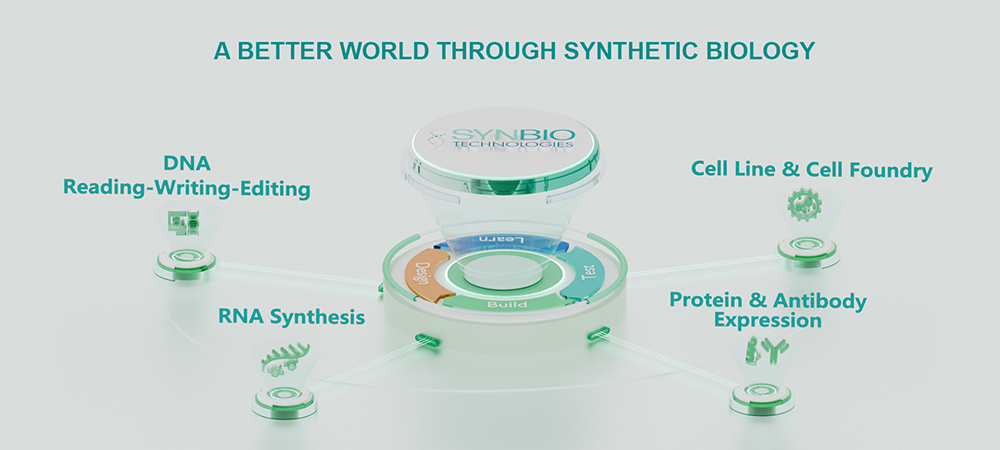
These metrics make comparisons concrete and repeatable. I still run bench trials for new suppliers, and I trust data over slogans. For deeper vendor support, check resources from Synbio Technologies — they provide method guides that helped my team standardize runs in 2022. Hold on. Test small. Scale only after you see the numbers.
