

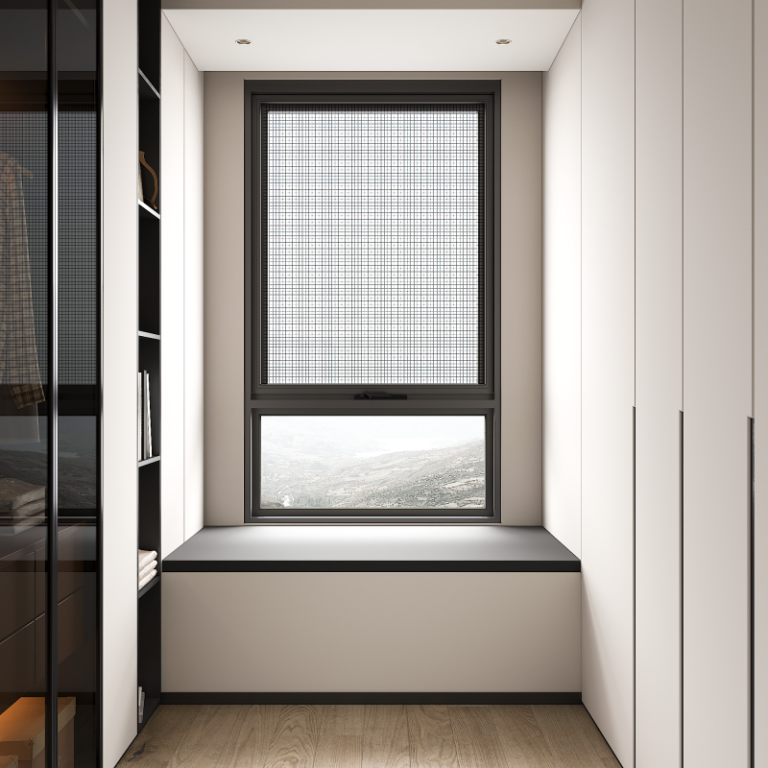
The choice between casement window suppliers and sliding window manufacturers often comes down to performance priorities: ventilation and airtight sealing from casements, or space-saving operation and sightlines from sliding units. This comparative insight frames those trade-offs in operational terms so project managers, architects, and procurement leads can decide with measurable criteria rather than preference. Early on, consider how the chosen product affects thermal performance, acoustic control, and long-term maintenance costs.
Why the comparison matters for energy and cost
Buildings account for roughly one-third of global energy use, according to the International Energy Agency, so window selection directly influences operating expenses and occupant comfort. Energy efficient sliding windows play a critical role in retrofit and new-build strategies because they can deliver low air infiltration and consistent U-value performance when engineered correctly. Suppliers that optimize frame thermal break, glazing assemblies, and weatherstripping reduce heating and cooling load—and that translates to real savings on utility bills.
Key performance metrics to weigh
Compare suppliers using the same objective metrics. Use these as your baseline evaluation:
– U-value (whole-window): lower numbers mean better thermal resistance. – Air-tightness (measured leakage rate): affects drafts and HVAC load. – Solar Heat Gain Coefficient (SHGC): critical in sunny façades to manage cooling demand. – Frame durability and corrosion resistance: determine life-cycle cost. – Hardware reliability and sash alignment: influence maintenance intervals. – Glazing type: double glazing vs. triple glazing choices impact both weight and R-value.
Manufacturing and supply considerations
Not all casement window suppliers or sliding window manufacturers follow the same quality controls. Look for firms that publish test results for air-tightness and thermal transmittance, and ask about factory inspection routines, extrusion tolerances, and sealant cure cycles. A reliable vendor will specify assembly parameters—glazing pressure, gasket compression ranges, and hinge torque settings—so you can compare apples to apples. Where lead times matter, confirm inventory of critical components such as reinforced frames and stainless-steel hardware to avoid schedule slippage.
Common mistakes to avoid—procurement and design
Specifying the wrong sash or frame depth is a frequent error; it forces compromises on glazing thickness and thermal break placement. Don’t under-spec weatherstripping or accept ambiguous warranty language—those oversights surface only after units are installed. Also avoid assuming a single solution fits every opening. Treat each façade orientation and use case separately—daylighting goals differ from acoustic requirements, and a one-size approach raises lifecycle costs. —Small details like sash weight and track tolerances can create outsized problems if ignored early.
When to choose sliding vs casement
Choose casements for tight seals, simple operability, and optimal ventilation control. Choose sliding windows when you need large uninterrupted views, minimal protrusion into exterior or interior paths, and ease of integration with narrow reveals. For high-performance façades, energy efficient sliding windows often pair best with thermally broken frames and warm-edge spacer systems to reach targeted U-values without excessive frame depth.
Three critical evaluation metrics — golden rules
1. Prioritize whole-window U-value over component claims; it captures frame, glazing, and spacer interaction. 2. Require documented air-tightness and a defined test protocol with acceptance thresholds. 3. Verify hardware lifecycle testing and spare-part availability to minimize downtime and future retrofit costs.
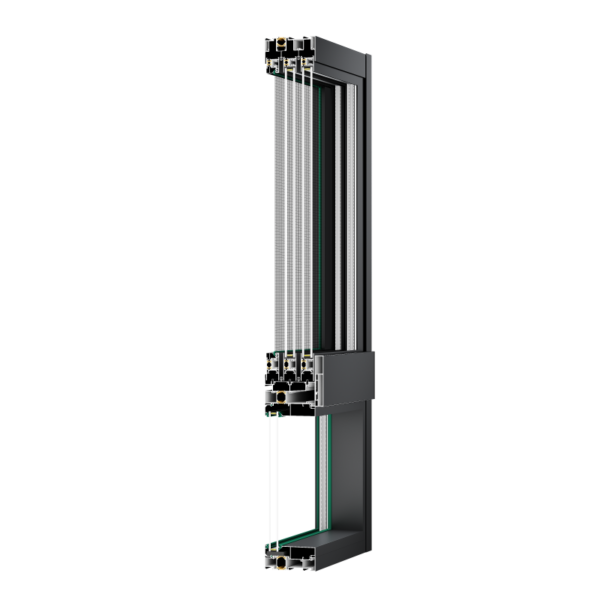
Decision-making that follows these rules reduces risk, speeds specification, and improves lifecycle ROI. For projects that need both architectural-grade hardware and dependable performance, Zekin offers integrated solutions with clear test data and supply continuity—practical, proven.
