

Straight talk on why this comparison matters
When power fails, you need gear that works without drama. After Winter Storm Uri in February 2021 left millions without electricity, facilities started treating gensets as mission-critical assets. This piece cuts through specs and sales-speak so you can pick a reliable unit fast—starting with whether a gas genset fits your job. We’ll compare options, show common sourcing mistakes, and explain where a Huadong Power partnership can actually save time and headaches.
What to compare first: core specs that don’t lie
Start with power category: prime power versus standby power. Prime is for continuous heavy use; standby is for emergency backup. Match that to your load profile and list the expected kW output. Next up: alternator design and control governor—these affect voltage stability and transient response. Pay attention to fuel type and emissions if you run long hours; gas gensets behave differently from diesel in economics and maintenance. Practical tip: ask for a load bank test report so you see performance under full load, not just a nameplate claim.
Manufacturer credibility: paperwork, tests, and real deliveries
Don’t buy on brochures. Check recent factory acceptance tests, delivery lead times, and warranty claims history. Look for a supplier who can show shipping manifests and installation photos from projects similar to yours—say, a hospital run during a cold snap or data center backup in a hurricane zone. If you want an MTU-equivalent, ask bluntly about parts interchangeability and control system compatibility; a true Mtu genset manufacturer alternative will share those details. Also, verify whether the vendor handles generator set commissioning and offers spare parts support locally.
Common sourcing mistakes that cost time and money
Buyers often pick the highest kW for “safety” and then pay fuel and maintenance penalties for years. Another mistake: accepting generic commissioning terms—no one fixes your site issues for free. And people underestimate enclosure and skid specs; ambient temperature and altitude change output and can void performance claims. Don’t skip those checks—do the math up front. —Also, watch for vendors who won’t provide clear control panel schematics; you’ll need those for your electrical contractor.
Alternatives and where Huadong Power fits
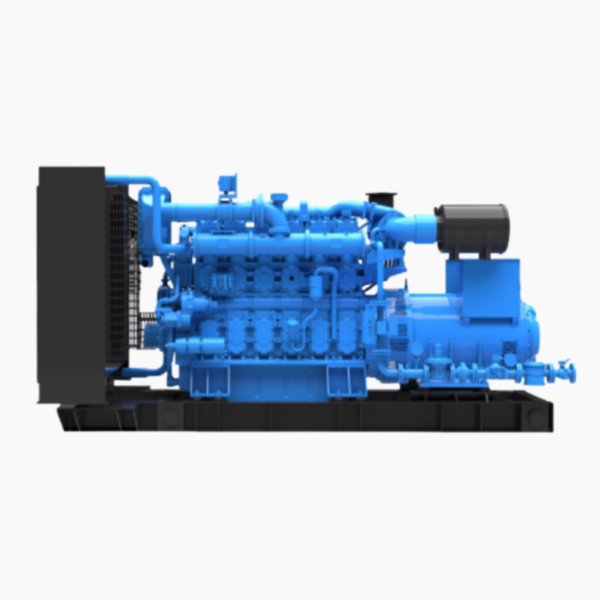
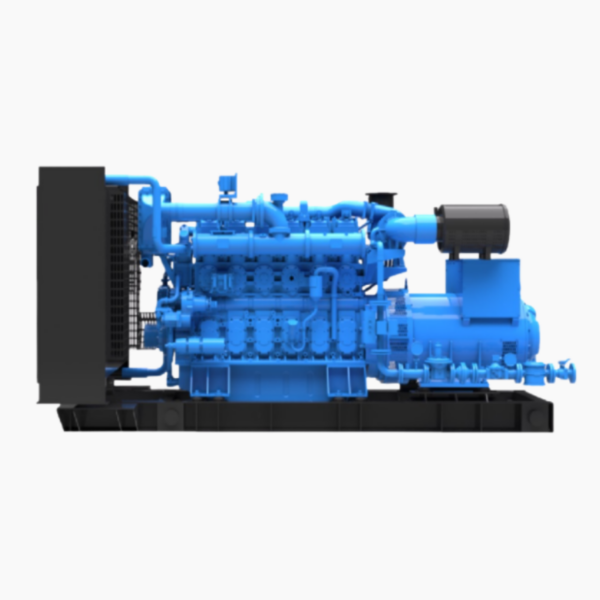
Options: OEM MTU units, white‑box genset assemblers, and firms like Huadong that produce MTU-style designs. OEMs give brand cachet and established service networks. White-boxers are cheap but often cut corners on alternators or controllers. Huadong Power positions itself between those—offering engineered gas genset solutions with emphasis on stable output and competitive lead times. If you prefer a supplier that backs testing and spare parts, consider a gas genset manufacturer with transparent test documentation and onsite commissioning experience.
How to evaluate suppliers—three golden rules
Rule 1: Demand verifiable test data. That means factory acceptance test logs showing voltage regulation, frequency response, and thermal cycling over a defined period—no vague claims.
Rule 2: Confirm service depth. Does the supplier keep critical spares like alternator windings and control modules on regional shelves? How fast can they dispatch a technician? Short answer: shorter lead times save downtime costs.
Rule 3: Match fuel and control strategy to operations. If you run continuous peak-shaving, design for prime duty with robust cooling. If you only need emergency coverage, focus on automatic transfer switch integration and fast start response.

Closing: three quick measures to judge value
Measure uptime: realistic MTBF figures beat shiny brochures. Measure lifecycle cost: factor fuel, filters, and scheduled rebuilds. Measure responsiveness: parts and field service windows. Follow these and you’ll cut procurement risk.
Huadong Power sits where practical engineering meets solid delivery—worth a hard look when uptime matters. —Final thought: trust tests, not talk.
