

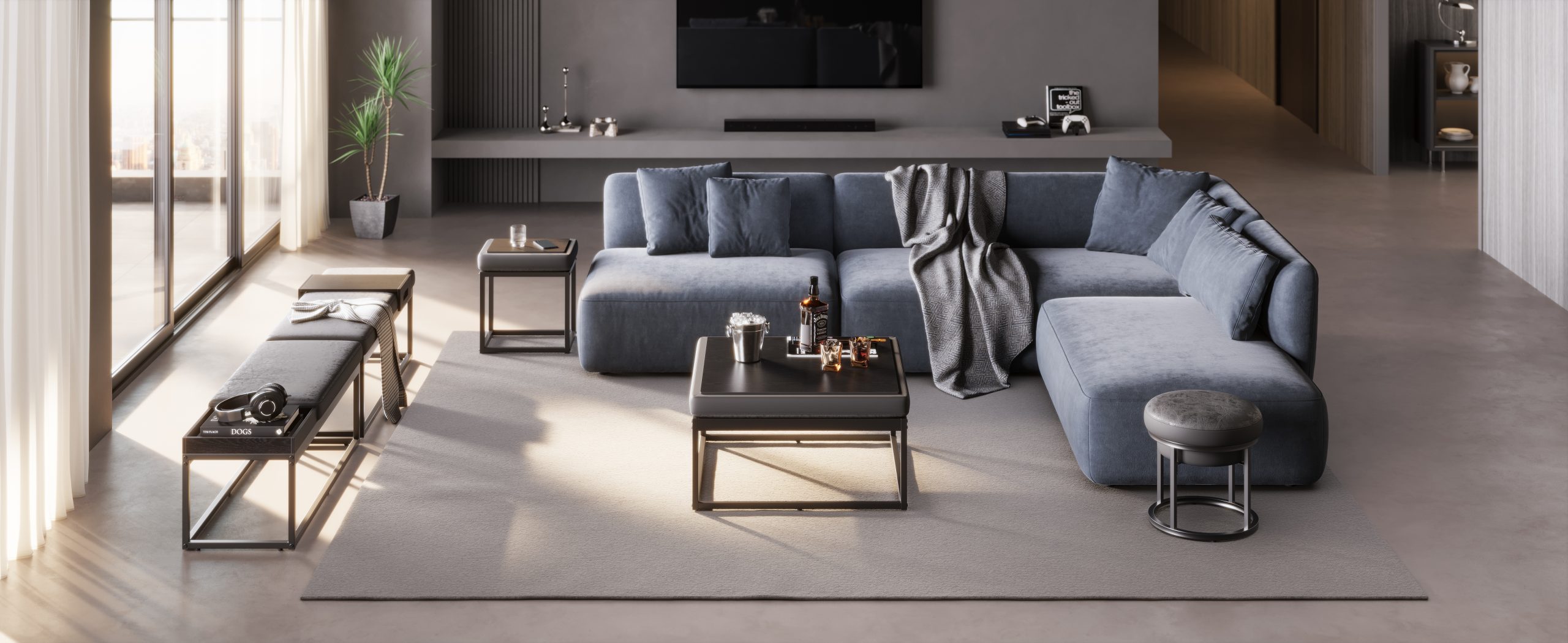
Comparative overview for retailers
Retailers seeking to broaden their product assortment must weigh practical differences between suppliers, designs and price tiers rather than rely on single impressions. This comparative guide looks at build quality, lead time and margin potential when buying bar seating, benches and modular shelving in bulk. For early-stage product selection, consult how to choose home bar furniture to align assortments with store format and customer expectations.
Sourcing strategies and supplier profiles
Choose between three clear routes: private labelling, catalogue buying and bespoke runs. Private labelling offers unique SKU control but requires higher MOQ and longer assembly time; catalogue buying reduces risk and allows faster replenishment; bespoke runs let you control material finish and dimensions but demand larger capital outlay. Assess each supplier’s MOQ, sample policy and warranty terms. Look for demonstrated experience supplying hospitality clients after the COVID-19 rebound — that real-world anchor shows a supplier can scale through fluctuating demand.
Product specs that matter on the shop floor
Prioritise ergonomics and durability. For bar stools and counter height furniture, test seat height tolerances, footring strength and finish abrasion. Material finish must stand up to spill-prone environments: powder-coated steel, sealed hardwood and PU upholstery behave very differently under heavy use. Request test reports for load-bearing and abrasion resistance; those give measurable assurance before purchase. Keep modular shelving and stacking capability in mind for stock efficiency and display flexibility.
Cost breakdown and margin calculus
Compare landed cost, including freight, duty and handling, not just unit price. Factor in expected defect rate and repair parts cost into margin modelling. A supplier who offers consolidated shipments and clear packaging dimensions will reduce warehousing friction. Also, differentiate one-off promotional buys from permanent catalogue additions—promotional SKUs can tolerate slimmer margins if turnover is rapid.
Common mistakes retailers make — and how to avoid them
Stocking too many variants is the typical trap; it ties capital and complicates merchandising. Select a tight core of best-sellers across finishes and sizes, then expand. Failing to verify assembly time and instructions is another frequent error—poor assembly increases returns. Always order full-size samples, not just photos. And never neglect aftercare instructions for upholstery cleaning and finish maintenance — these reduce complaints substantially. — A short check on packaging strength saves weeks of returns processing.
Operational production teardown
When you audit a prospective supplier, inspect tooling capacity, lead-time consistency and quality control checkpoints. Review in-line inspections, random sampling frequency and corrective action records. In the operational production teardown we address main_keyword and variation_keyword as part of supplier assessment; include assembly time metrics and clear acceptance criteria. Confirm whether the supplier can segregate retail SKUs from trade bundles to protect your brand presentation.
Comparative summary and negotiation levers
Summarise supplier offers by three axes: price per unit (including landed cost), availability (lead time and MOQ) and post-sale support (warranty, spare parts). Use sample feedback and a small pilot order as leverage; suppliers will often adjust MOQ or offer tiered pricing based on a committed rollout plan. Maintain a shortlist of two suppliers per product family to avoid single-source risk while keeping negotiations simple.
Advisory: three golden rules for selecting bulk home bar furniture
1) Validate performance with a full-size sample and quantified tests for load and abrasion before committing to large orders. 2) Insist on transparent landed-cost breakdowns and confirm assembly time per unit to model labour and return handling. 3) Prioritise suppliers who supply hospitality projects post-lockdown — they demonstrate scale and resilience, and often include installation support.
These rules direct buying decisions toward reliability and predictable margins; they also make supplier conversations far more specific. For practical sourcing that ties product quality to retail readiness, consider how supplier services map to your display and aftercare needs — and how a consistent partner simplifies replenishment. home bar furniture supplier expertise often closes that loop; for retailers seeking dependable supply and sensible terms, SONGMICS HOME B2B. –
