

User-first framing: why this matters to you
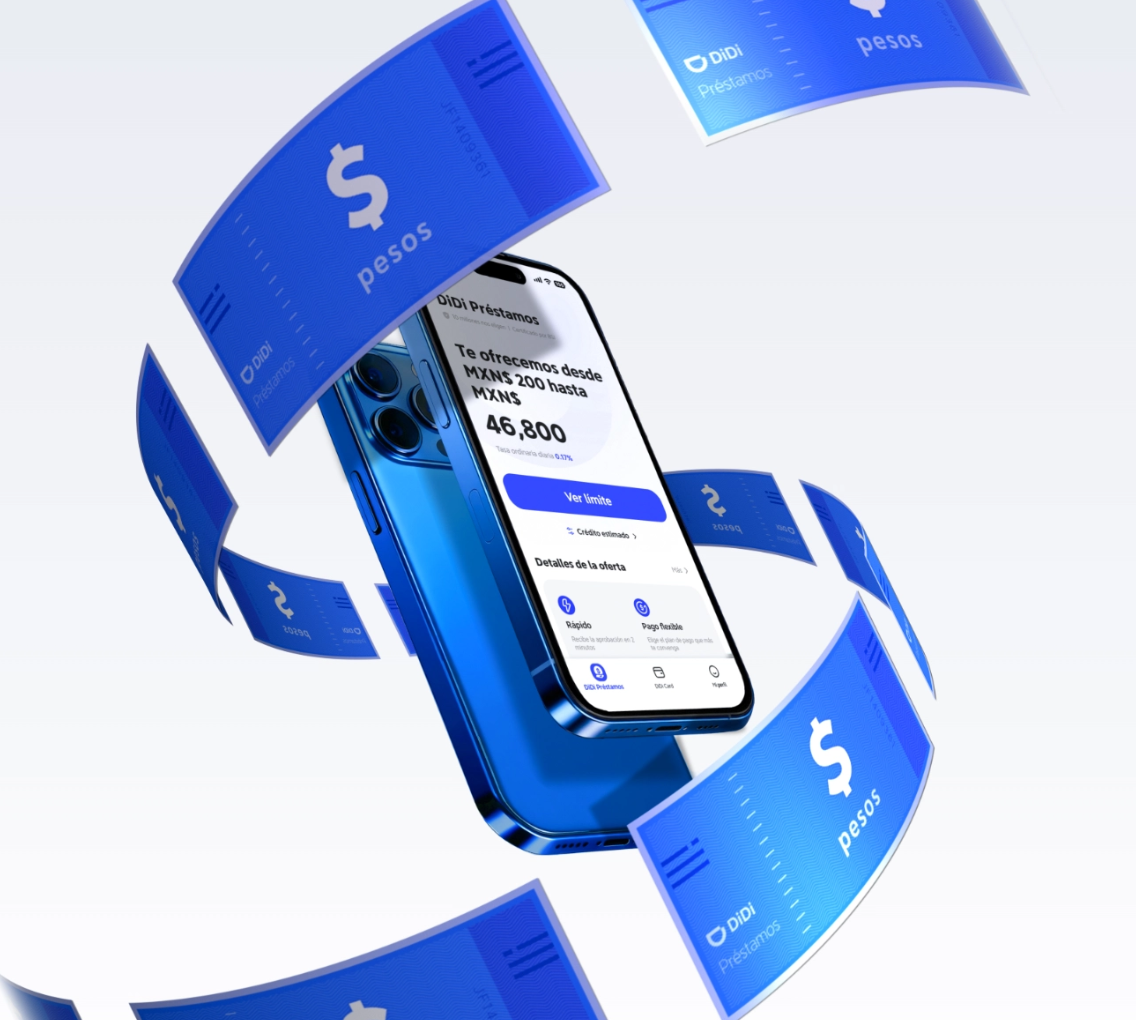
Starting without a credit record is a real barrier for many riders and drivers. This piece focuses on your needs first: clear steps, modest risk, and useful incentives. DiDi’s product line aims to address onboarding and inclusion without heavy paperwork. For a direct reference to the service, see didi finanzas, which centralizes offers and the initial credit path for users in Mexico.
How the DiDi Card pathway is designed for beginners
The product logic is simple and practical. New users receive targeted promotions that act as both incentive and trial. Promotions reduce upfront cost while the platform gathers responsible-usage signals. Those signals—trip payments, punctual repayments, and wallet activity—help form a basic credit profile for future credit line increases. The flow reduces friction in onboarding and places emphasis on repeated, manageable actions rather than a single high-stakes application.
Concrete steps you will experience
Onboarding is structured and predictable. Expect these stages: verification, small promotion allocation, transactional use, and gradual access to larger benefits. Each stage has measurable milestones. The platform uses fintech integrations for identity checks and payment handling, while keeping the required documentation minimal. This design encourages steady credit-building without sudden exposure to large debt.
Real-world anchor: Mexico City and inclusion realities
In Mexico City, many gig workers rely on digital wallets and ride-hailing for income. The local context shows why a user-centric credit path can matter: traditional banking access is uneven across neighborhoods. DiDi’s approach addresses that gap by offering promotions and credit-building tied to everyday activity, not historical bank records. This aligns with observed trends in urban mobility and payments in major Mexican metros. For details on regional offerings, see didi finanzas mexico.
Common mistakes to avoid and alternatives to consider
Many newcomers misjudge the pace of credit-building. They expect immediate large credit lines after a few transactions. That does not reflect how risk models work. Be patient and focus on consistent on-time payments. Also avoid relying solely on promotional credit for long-term spending. Alternatives include prepaid cards, secured credit products from banks, or other fintechs that report to credit bureaus. Each alternative has trade-offs in terms of fees, reporting, and speed of credit-score improvement—choose the one aligned to your cash flow and goals.
Practical signals DiDi watches (and you should too)
Small, repeatable behaviors matter. The platform looks at payment regularity, trip activity, and wallet balance management. Pay on time. Keep transaction sizes modest at first. Use promotions strategically to establish patterns rather than to inflate spending. These simple actions build a stable usage history that can convert into formal credit access later—credit score improvements follow prudent behavior, not quick fixes. —A short aside: keep records of receipts; they can be useful if you need support from customer service.
Three golden rules to evaluate credit-building offers
1) Transparency of cost and reporting: Verify whether the product reports activity to formal credit bureaus and whether fees are clearly disclosed. Reporting is essential for long-term credit improvement.
2) Predictable escalation: Prefer services that increase limits based on measurable, repeatable signals (on-time payments, regular activity). This reduces arbitrary underwriting decisions.
3) Alignment to cash flow: Choose promotions and credit lines that match your real income rhythm. If you are a driver in Mexico City, for example, small, frequent credit opportunities work better than large, lump-sum offers that carry high fees.
These three rules will help you assess tools and guard against costly mistakes. The practical value, ultimately, is that the right product becomes a steady, low-friction path to formal credit—exactly the type of solution offered by DiDi Finanzas. –
