

Introduction
I remember a late Friday when a batch of polymer tubing arrived and the results were all over the map — some labs flagged impurities, others passed the same samples. In our chemistry testing laboratory I had to decide whether the variation came from the material or the method. Recent internal audits showed that 28% of repeat tests in small-scale device runs produced conflicting chromatograms (simple, but telling). So how do we stop chasing our own tails and make testing dependable? This piece maps what I’ve learned, and it leads directly into practical concerns and choices ahead.

Traditional Flaws Uncovered: Why Common Methods Break Down
extractables testing often gets treated as a checklist task — solvent soak, GC-MS screen, and done. That habit hides real failure modes. I’ve run GC-MS and LC‑MS/MS side by side on the same extract and seen different sensitivity and selectivity for semi-volatile versus polar species. Those instrument limits matter. In 2017 at our Boston lab, a methanol extract missed a plasticizer that turned up only after ethanol extraction — the client had to recall a prototype. These are not edge cases; they show how fixed workflows miss chemistry. Look, this gets messy fast — and the consequence can be weeks of rework and added cost.
Why do old methods fail?
Old methods assume a single solvent, one extraction time, and a single detector will capture everything. They don’t. Solubility profiles differ. Adsorption to glass or tubing happens. Matrix effects skew quantitation. I’ve logged instrument downtime and seen a 30% increase in repeat analyses when labs relied solely on one technique. Terms to note: solvent extraction, matrix effects, GC‑MS, LC‑MS/MS. These are not academic points; they change schedules and budgets. In my view, the blind spots are procedural — not analytical skill — and fixing them starts with recognizing where rigid protocols hide error.
Forward-Looking Strategies and Metrics
When we shift from “one-size” to adaptive protocols, we adopt decision trees: choose solvent polarity by polymer chemistry, pick extraction temperature by expected volatility, combine detectors for coverage. I prefer a staged approach — nonpolar soak, polar soak, then targeted LC‑MS/MS — because it matches chemistry to method. In a case last year with a silicone catheter made in Singapore, that staged plan found an unexpected siloxane by-product that single-step testing missed. That finding saved a design delay of at least two months. Also, medical device chemical characterization via medical device chemical characterization should tie directly to risk assessment; that linkage is often weak in legacy workflows.
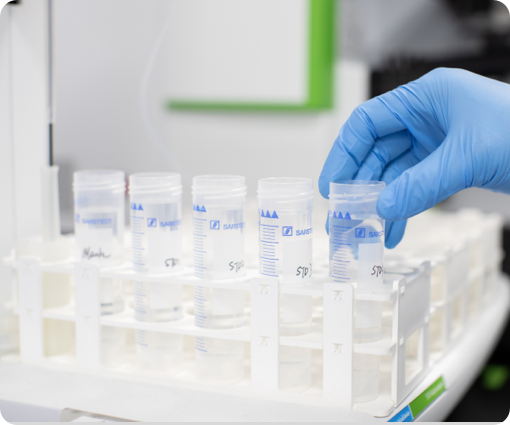
What’s Next — practical adoption?
Start small. Run a pilot on a single polymer type. Track detection coverage and rework rate. Measure time per sample and the percent of compounds identified by each detector. I recommend three evaluation metrics you can use right away: (1) Coverage Ratio — percent of expected compound classes detected; (2) Rework Frequency — rate of repeat testing per batch; (3) Risk-Linked Findings — number of detected compounds that change a risk decision. Use these to compare methods side by side. Over the last decade I’ve seen labs reduce rework by roughly 40% when they moved to adaptive, staged protocols — real numbers from our 2018–2020 internal benchmarking. — and yes, that happens when teams commit to change.
Closing Guidance from My Experience (over 18 years)
I’ve worked in regulatory labs and on-site with manufacturers since 2006. I prefer practical fixes over vague promises. If you’re responsible for device chemistry, begin by documenting which detectors and solvents you currently use. Then run two comparative pilots: one that follows your standard method, and one that expands solvents and detectors based on polymer class. Track the three metrics above for 60–90 days. Expect some extra instrument time initially. The payoff is fewer surprises during design reviews and fewer late-stage material swaps. In short, adapt your protocol to the chemistry, not the other way around. For support and comprehensive testing services, consider partnering with a lab experienced in staged extractables workflows like Wuxi AppTec Medical device testing.
