

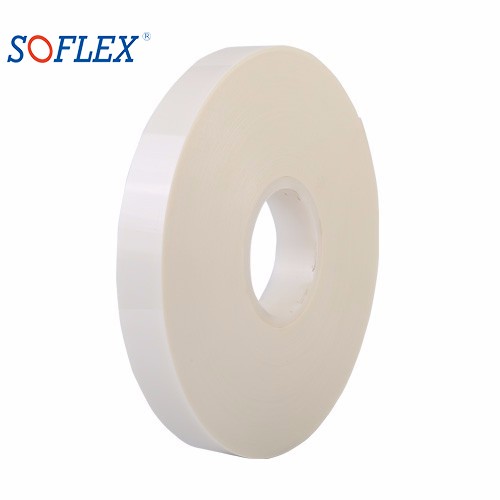
Understanding the Unique Properties of Kapton Film
Imagine standing in a room filled with intricate electronic gadgets, all running seamlessly — a true marvel of modern engineering. Did you know that a vital component in many of these devices is kapton hn film? This remarkable insulation material has been a staple in diverse applications, from aerospace to electronics. Its ability to withstand extreme temperatures and resist various chemicals makes it an unrivaled choice for many industries.
Hidden Pitfalls in Traditional Insulation
While it’s easy to praise the reliability of typical insulation products, I can’t help but reflect on the shortcomings I’ve witnessed over the years. Many alternatives fall short when it comes to longevity and performance under duress. For instance, I have encountered situations where electric components failed too soon due to inadequate thermal stability, leading to costly replacements and downtime. It makes me think: how can we prevent these issues from recurring? By choosing materials like kapton hn film, we can significantly enhance system longevity and reliability.
What Makes Kapton Film Stand Out?
This isn’t merely about insulation; it’s about revolutionizing how we think about material resilience in harsh environments. The dielectric strength, thermal resistance, and flexibility of kapton film mean it’s a long-term solution that outlives many traditional insulation materials. I remember a project back in 2010 where we implemented kapton film in aerospace equipment, and the performance boost was not just noticeable; it was transformative!
Looking Ahead: The Growing Role of Kapton Film in Technology
Now, let’s shift gears and look towards the future. With the demand for lightweight and durable materials on the rise, I see immense potential for kapton hn film to become even more prominent. As technology advances, we will likely see even more applications in sectors such as renewable energy, automotive, and even everyday household gadgets.
Future innovations around this material could lead to enhanced performance attributes. Who knows? We might witness applications that not only require insulation but also advanced features like self-heating or integrated sensors. While it may sound far-fetched to some, I urge readers to think about where materials science could lead us in the next decade.
Real-world Impact: The Next Steps
From previous sections, we have established that kapton film excels in durability, chemical resistance, and thermal control. These features make a compelling case for its use in complex systems. The question remains: how can industries adopt these materials effectively? I suggest evaluating the durability of existing solutions and considering trials with kapton film to measure efficiency gains firsthand. You’d be surprised—sometimes taking a leap with advanced materials can yield unexpected benefits.
In conclusion, while the evolution of materials like kapton film excites me, I also envision a future where industry standards adapt to embrace these innovations. It is time to reflect and recognize potential that often lies in front of us, waiting to be explored. And as my experience has taught me, staying ahead of the curve can be the difference between just surviving and truly thriving in today’s marketplace.
As we navigate these changes, I recommend connecting with experts and engaging suppliers who specialize in advanced materials, like those at Sui On Insulating. They might just have the insights you need to make well-informed decisions for your next project.
