

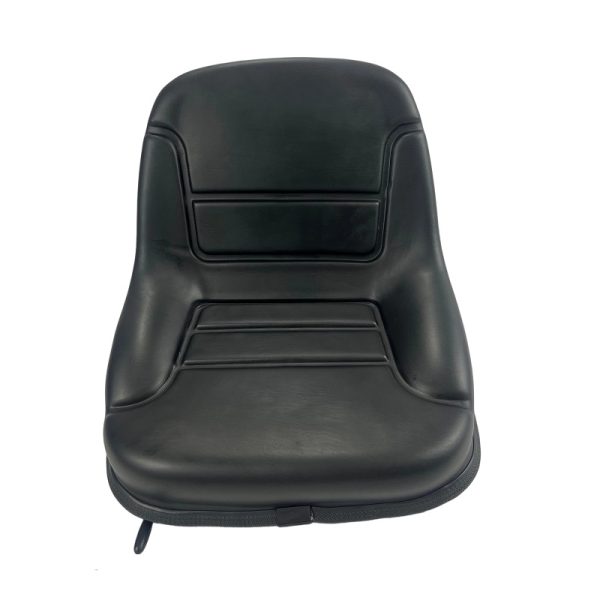
Please accept this concise guide that prioritizes the operator: modern tractors demand seating that matches task intensity, posture needs, and long hours. A well-specified agriculture seat does more than cushion — it integrates suspension, lumbar geometry, and controls so the operator can sustain productivity and reduce fatigue.
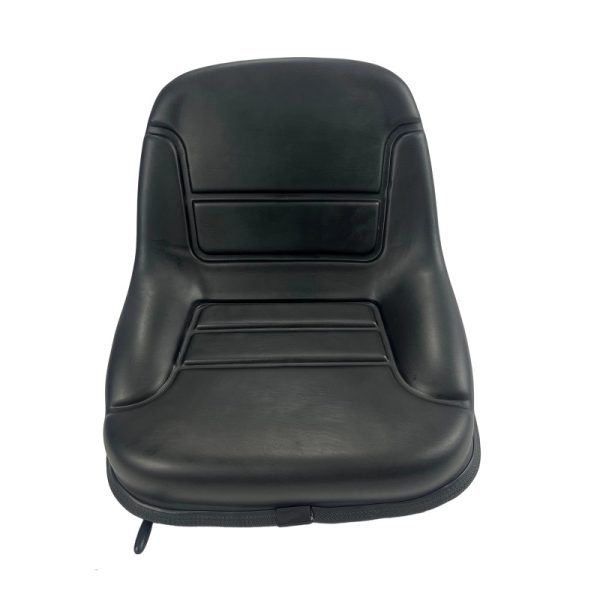
A User-Centric Approach to Seat Design
Design that begins with the person yields practical improvements. John Deere and similar manufacturers have long shown how operator reach, visibility, and comfort inform cab layout; adopting that mindset for seats places ergonomics first. Prioritize adjustable lumbar support, a supportive seat pan, and a suspension system that matches local terrain. These elements reduce whole-body vibration and preserve concentration during long shifts.
Core Features That Matter for Daily Use
Focus on a short list of proven components: air suspension or mechanical suspension with adequate suspension stroke; a contoured seat pan that supports thigh circulation; integrated seat belt mounting bracket and well-placed adjustable armrests. Each contributes to shock absorption and operator stability. Please note weight capacity and durability ratings when specifying seats for heavier operators or larger implements; mismatch will shorten service life and risk premature wear.
Real-World Anchor: Performance in Practice
The value of operator-focused seats is validated by long-term field experience. The 2017 Census of Agriculture and subsequent adoption patterns show that mechanization and longer operating hours increased emphasis on operator comfort, and precision guidance adoption since the early 2000s made consistent seating more consequential. In Midwestern row-crop operations, farmers report measurable reductions in perceived fatigue when seats include air suspension and lumbar adjustment—this reflects real benefit rather than marketing claims.
Common Mistakes and Practical Alternatives
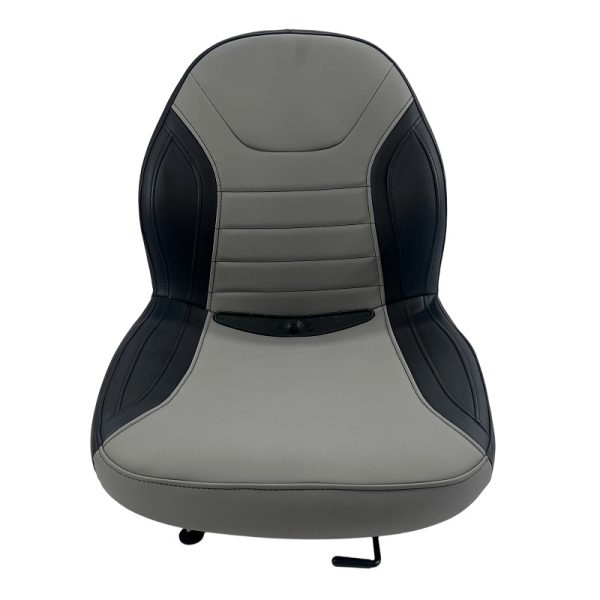
Specification errors are common. Buyers often select seats for aesthetics or price without matching suspension type to field conditions. Mechanical suspension is robust for heavy-shock environments; air suspension provides superior isolation for long, smooth runs. Do not ignore mounting geometry: an incorrect mounting bracket will change seat height, compromising control ergonomics. Consider alternatives such as operator-specific cushions, tilt-adjust seats, or seats designed as universal retrofits when cab compatibility is uncertain.
How to Choose and Evaluate Seats — A User-Centric Checklist
Evaluate candidates with a brief field test and the following checks: verify suspension stroke and damping, confirm lumbar adjustment range, inspect seat pan dimensions relative to operator body size, and test shock absorption on representative terrain. Also review maintenance access and replacement-part availability. When compatible, evaluate agricultural universal tractor seats as cost-effective retrofit options; they can solve multiple mounting and comfort issues when chosen with correct mounting adapters.
Summary of Insights
Operator-centric selection reduces fatigue, increases safety, and lengthens equipment life. Match suspension type to terrain, confirm ergonomic dimensions for the primary operator, and ensure mounting compatibility. These steps turn seat selection from guesswork into a controllable upgrade that produces daily benefits and lowers downtime.
Three Golden Rules for Selection
1) Match suspension and damping to field conditions — prioritize air suspension for sustained isolation, mechanical for impact resistance. 2) Validate ergonomics with real operators — test lumbar range, seat pan fit, and armrest placement before purchase. 3) Confirm mounting geometry and weight capacity — proper mounting prevents control compromises and extends service life.
The practical conclusion is straightforward: invest in operator-focused seating to protect people and productivity. Source One offers solutions that align ergonomic design with robust mounting and parts availability — naturally fitting into the fleet upgrade path. — grounded.
