

Introduction: A Real Room, Real Choices, Real Stakes
You stand under a newly painted ceiling, tape on the floor, team on a tight schedule. Your team is comparing quotes from led lighting manufacturer china. The plan calls for a calm, even pool of light above each table, with no flicker and no glare. Data tells a clear story: lighting accounts for up to 40% of a small commercial fit-out’s energy use, while solid-state sources now reach 50,000 hours at L70 when drivers and thermal paths are sound. So why do so many installs still deal with buzz, dropouts, or early color shift?
Here is the gap. Specs are clean on paper, but in the field the driver, dimmer, and ceiling conditions collide. Controls mismatch, poor thermal management, or weak EMC shielding can turn a simple pendant install into a service ticket loop. Does your plan compare total system behavior, not only headline lumens? (Because that is where risk hides.) Let’s break down the real differences and see how to choose better—without overcomplicating the job.
Hidden Pain Points in Single Pendant Deployments
What keeps failing in real installs?
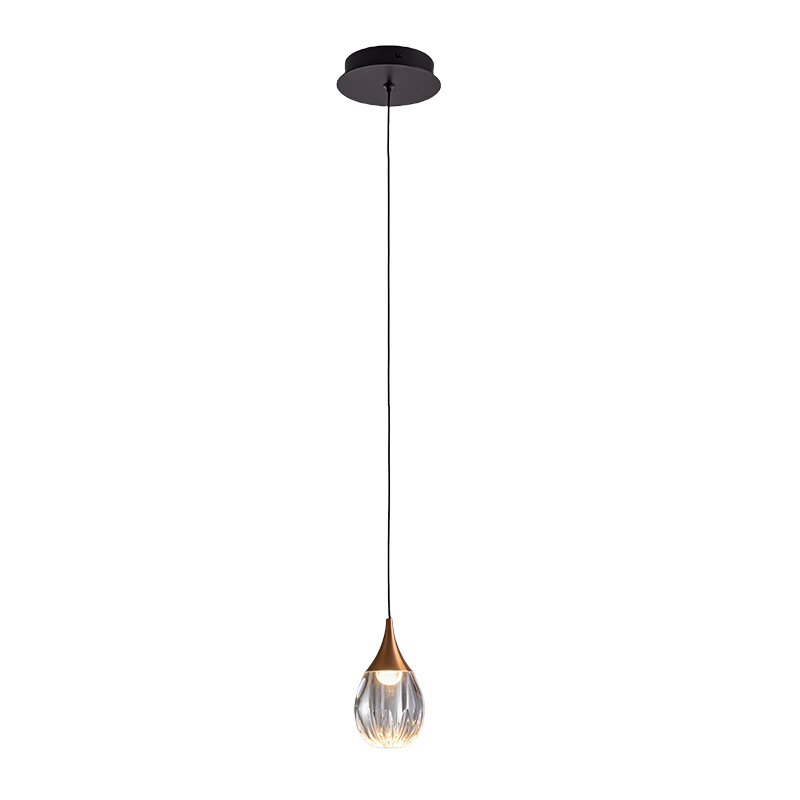
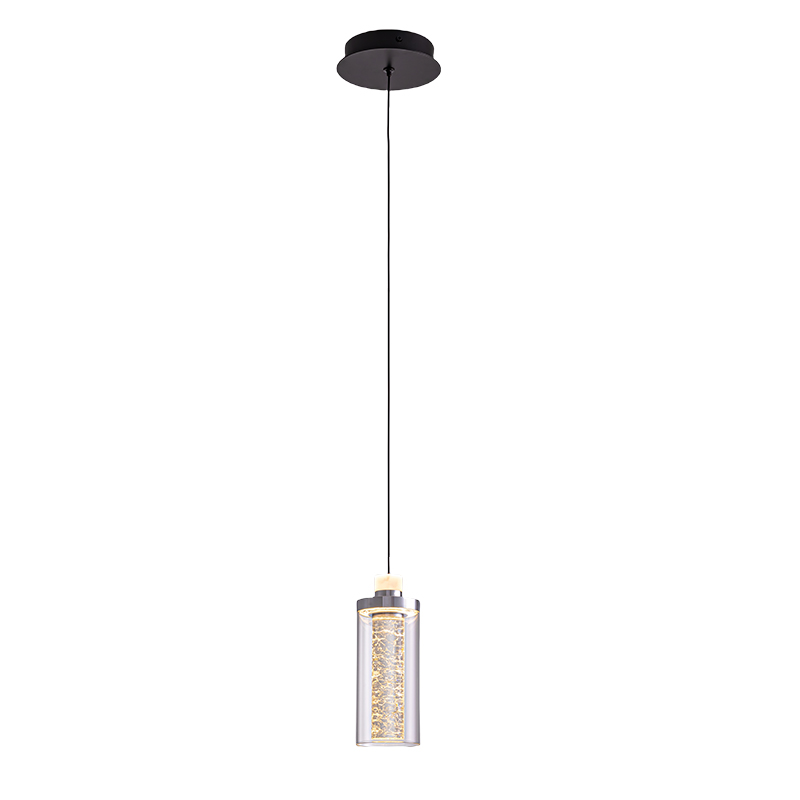
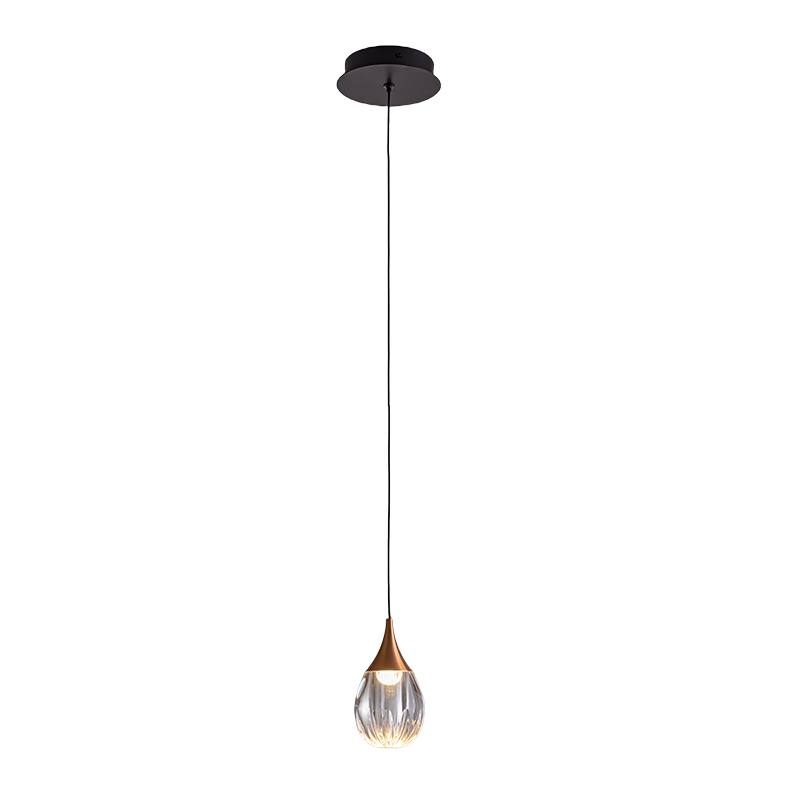
Most product pages show lumens, CCT, and finish. The trouble sits deeper in the stack. A single led pendant light is not one part; it is optics, heat sink, LED board, and a constant-current driver tied to a building control. Look, it’s simpler than you think: if the driver’s dimming protocol (0–10V, DALI-2, or PWM) does not match the site, you get shimmer at low levels. If thermal management is tight, the junction gets hot, and CRI and lumen maintenance drop before year two. If EMC design is weak, you hear transformers sing. Failures here do not show up in glossy photos. They show up on a punch list.
Another quiet issue is tolerance stacking. The ceiling box is off by a few millimeters, connectors vary, and the driver pot is set high. One by one, small variances add up. That is when a field tech starts trimming controls curves and swapping power converters until the fixture behaves. It costs time. It frustrates users. And it was preventable—funny how that works, right? Ask vendors about driver Tc limits, surge protection, and field-adjustable current. Ask for dimmer compatibility charts tested in real buildings, not only in a lab jig.
Comparative Advances: New Tech That Changes the Choice
What’s Next
Now the good news. New driver platforms and controls cut risk and speed install. NFC-programmable drivers let you set output current on-site with a tap. Constant-power driver modes keep brightness stable across module swaps. Advanced optics improve cutoff, so pendants feel soft yet precise. BLE mesh and DALI-2 gateways allow scenes without rewiring, and better PWM strategies reduce flicker at 1% levels. Many lighting companies in china now integrate sensors in the canopy, acting as small edge computing nodes for daylight and occupancy. That means fewer boxes in the plenum—and cleaner ceilings. And yes, it improves service because updates can be pushed over the air.
Compare makers by how they build the system, not only the shell. Do they use wide-range input drivers with low THD and high power factor? Are thermal paths sized with headroom, not just to pass day-one tests? Is EMC design verified to handle noisy building circuits? The shift is clear: platforms, not parts. You get fewer SKUs to manage, simpler commissioning, and better dim-to-warm curves that users love. Let that sink in. We learned that problems come from mismatch and heat; we now see solutions built on programmable drivers, robust heat sinks, and proven control stacks. The result is steadier light, fewer callbacks, and a ceiling that stays quiet.
To close with clear guidance, use three checks on every pendant quote: 1) Driver quality and controls fit—verify protocol, low flicker at 1%, and a compatibility list. 2) Thermal headroom—ask for driver Tc data and a measured heat path, not just claims. 3) EMC and surge resilience—request test reports and see if protective devices are in the canopy. Choose the vendor that proves these, not the one that only lists lumens and CCT. That is how you avoid noise, flicker, and early fade—and how you keep your schedule intact. For deeper specs and system-level options, see kinglong.
