

A Quick Reality Check on Supply Gaps
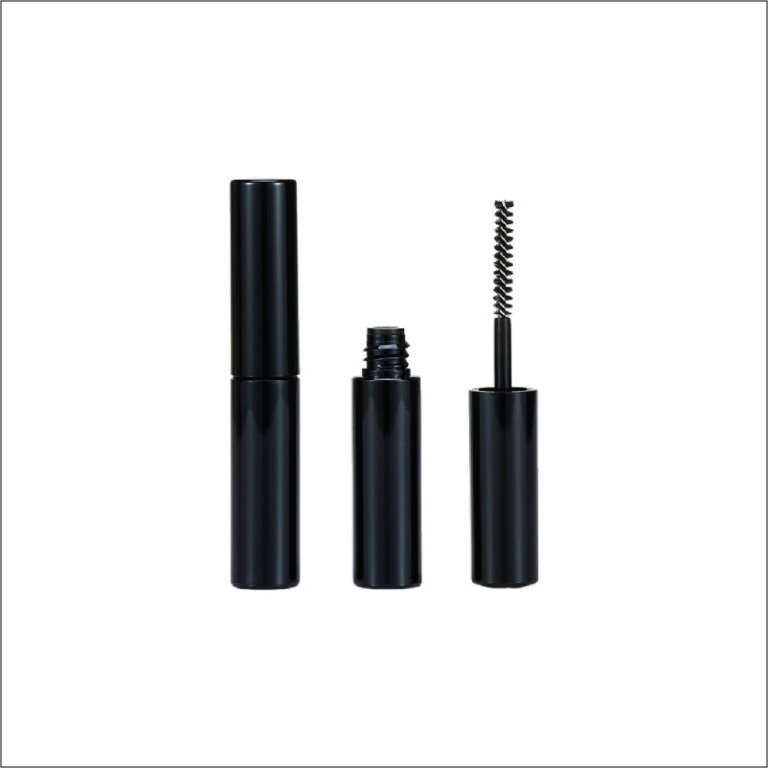
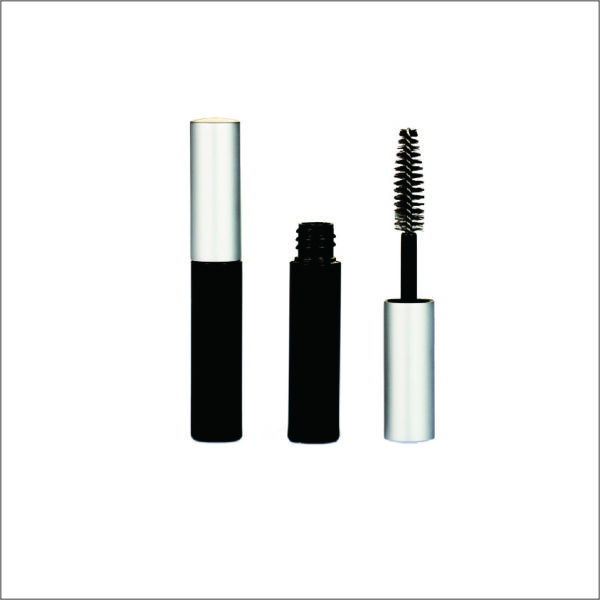
I’ve watched small beauty teams scramble when a viral post turns a steady launch into a rush job. Empty mascara tubes wholesale sounds like the easy fix in those moments. The math can look clean: bigger orders, better pricing, fewer delays. But the ground truth is messier. One late pallet can stall a fill line. One bad wiper can ruin a batch. And one mismatch in cap torque can wreck your quality checks. So here’s the question: will buying in bulk truly smooth your run, or just shift the risk somewhere else (like your warehouse)?
Out here, we like to keep it real and chill. The data is clear: brands that standardize components cut changeovers by up to 20%, while teams that juggle multiple small vendors see defect rates climb. Yet it’s not only the numbers that matter—fit and finish do, too. Tolerances, brush geometry, and sealing all show up on the shelf. The wrong resin blend can warp during filling, and an off-spec wiper lets formula dry out fast. Let’s break down what actually moves the needle, then compare paths side by side—so you can keep your cadence while scaling up, no drama.
Under the Hood: Why Sourcing Strategy Matters
Where do traditional fixes fall short?
When teams panic-order from a new mascara tube supplier, they often inherit invisible trade-offs. Traditional spot buying skips deep checks on injection molding consistency, wiper durometer, and cap thread tolerances. That’s where failure hides. A pretty tube can still leak if the airtight seal is off by a hair. A flocked applicator can shed if fiber density varies. And if your PCR resin ratio drifts, you may see stress whitening during crimping. Look, it’s simpler than you think: most “mystery” issues are really process issues—missed torque testing, light QC sampling, or a wiper spec that never matched your viscosity in the first place.
Bulk orders don’t cure that. They amplify it. If you buy 50,000 pieces and 3% are off-spec, that’s 1,500 defects in the wild—funny how that works, right? Old fixes like over-inspecting or adding rework loops cost time and morale. And they hide a bigger flaw: the supplier never aligned with your fill temp, your pump shear, or your storage climate. That means color transfer on silk screen after hot stamping, micro-scratches on anodized aluminum caps, or delayed lead times due to unplanned MOQ shifts. The actual pain point isn’t volume. It’s the mismatch between your process window and the supplier’s process control.
Comparative Outlook: What Better Looks Like Tomorrow
What’s Next
Let’s compare two paths. Path A is the old model: buy cheap, inspect hard, and hope. Path B is a modern loop: shared specs, pre-tests, and live feedback. Teams using Path B run pilot lots with instrumented fills, then lock in wiper geometry and torque targets before scaling. They use in-line vision systems to check flash and gate marks, plus dye-penetrant checks for micro-cracks. Even better, they map resin shrink rates to mold cavities to keep tolerances tight. When you fold that into a partner who can handle empty mascara tube wholesale without skipping process control, defects drop and changeovers speed up. Not magic—just principles done right.
Here’s a quick case vibe. A clean-beauty brand moved from multi-vendor spot buys to a single spec-driven stream. They validated the wiper with a viscosity curve, ran torque testing across three cap batches, and set pass/fail gates tied to ISO 22716 records. Result: 18% faster filling, under 0.7% defect rate, and no drying complaints after eight weeks on shelf. Now, forward-looking steps are even stronger: digital twins of mold wear, ultrasonic welding on closures, and bio-based PP trials that hit the same modulus. If you’re choosing a path, use three clear checks: 1) process fit—can the supplier simulate your fill temp and pump profile; 2) control proof—do they show Cp/Cpk on critical dimensions and track lot genealogy; 3) lifecycle readiness—can they support graphics durability, storage conditions, and end-of-life claims without changing your die-line. Keep it calm, keep it measured—and pick partners who build with you, not around you. In the end, steady beats speedy when you’re scaling mascara, and people notice on shelf. NAVI Packaging
