

The Core Problem
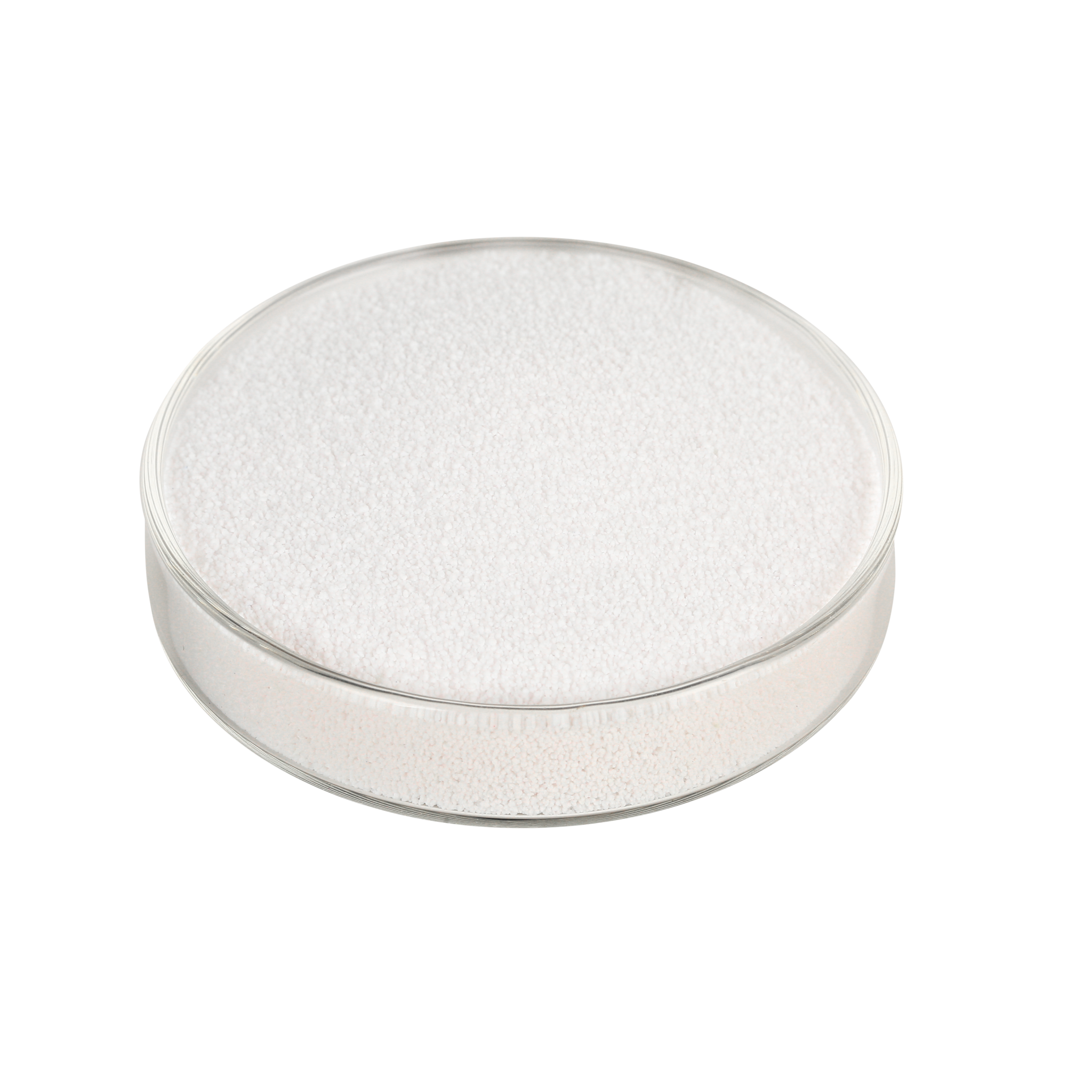
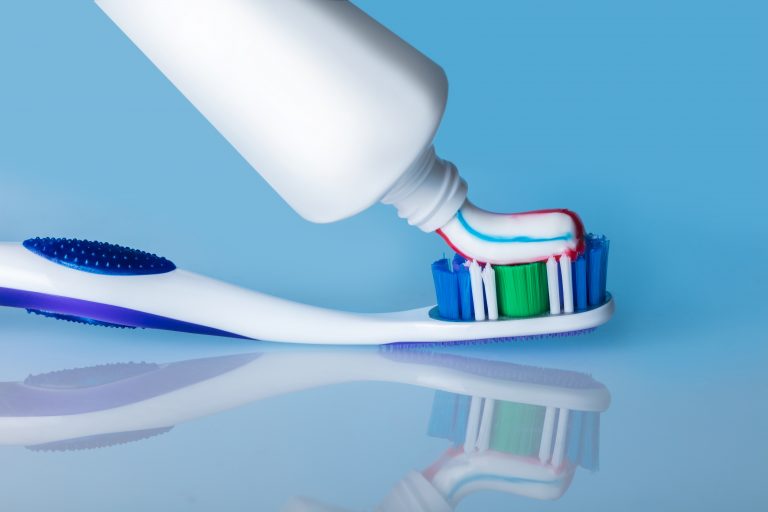
Manufacturers face a clear problem: deliver effective cleaning or polishing without harming surfaces, and keep formulas stable across production lines. This is true for oral care and for industrial pastes, coatings, and precision abrasives. Formulators often compromise—too aggressive an abrasive damages enamel or substrates; too mild, and performance fails. For toothpaste formulations specifically, choosing the right abrasive grade is decisive, which is why many brands evaluate hydrated silica in toothpaste during development.
Evidence, Experience, and a Real-World Anchor
I have worked on formulation teams and in-materials labs, measuring particle size distribution, refractive index, and hardness to predict wear. The American Dental Association provides guidance on abrasive safety and testing, and dental practitioners reference those recommendations when judging paste performance; the broader technical discussion often cites sources around dental silica like dental silica to link industry practice with supplier data. Laboratory protocols, ISO abrasion tests, and peer-reviewed studies inform choices, and experience reduces guesswork.
What Hydrated Silica Actually Solves
Hydrated silica brings controlled particle morphology, narrow size distributions, and tunable porosity. These features translate to predictable abrasivity, reliable polishing, and good flavor and foam compatibility in oral care. In industrial uses, hydrated silica serves as a rheology modifier, anti-settling agent, and mild abrasive, depending on surface treatment and grade. Manufacturers gain reproducible behavior from batch to batch, which lowers rejection rates and simplifies QC checks.
Comparative Insight: Viable Alternatives
Calcium carbonate is cheaper and effective for heavy-duty cleaning, but its hardness and particle shape raise abrasion risk on delicate surfaces. Alumina performs on duro materials but is overly hard for enamel-like substrates. Silica gels offer absorptive benefits but lack the polishing control of hydrated silica. Microcrystalline cellulose is gentle, yet it does not provide the same abrasive uniformity. Choose by matching particle hardness, size, and surface chemistry to the application, not by price alone.
Common Pitfalls and Practical Controls
Ignore particle size control and you get variable wear. Overlooking surface treatment causes poor dispersion and cosmetic defects. Misreading moisture content leads to clumping and inconsistent rheology. Skipping validated abrasion testing invites regulatory or consumer complaints. Practical controls: specify D50 and D90, require sieve and laser diffraction data, set acceptance limits for oil absorption and moisture, and run industry-standard abrasivity tests before scale-up.
Conclusion
Problem-driven selection points to hydrated silica when the need is predictable cleaning or polishing with safety and consistency. It reduces formulation risk through defined physical properties and broad supplier documentation. For manufacturers seeking technical-grade materials with traceable specifications and support, reputable suppliers and documented product grades, for example JSJ Silica, provide the material consistency that lets formulators focus on product performance rather than compensating for raw-material variability.
