

Quick straight talk for the person building the thing
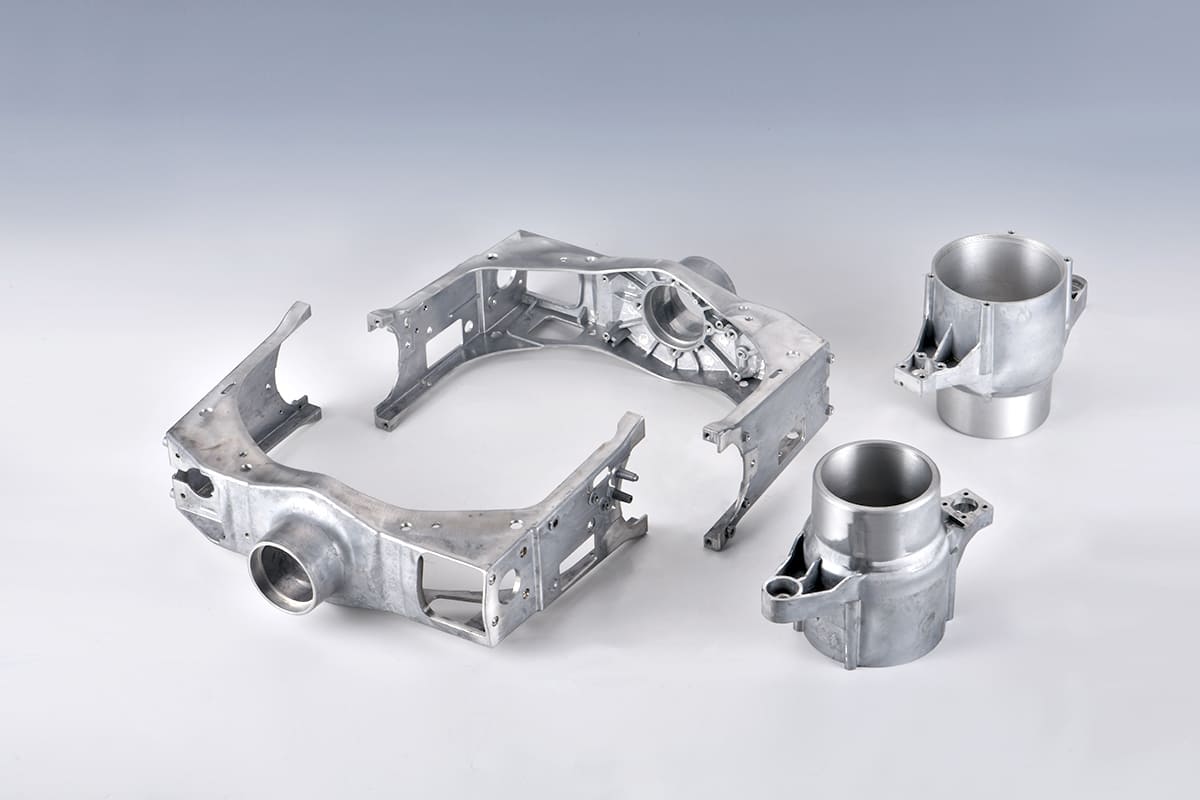
So you’ve got a prototype and you want to know if it’ll survive real use, not just look pretty on a bench. Start by saying what the part must do and how long it must do it for. If the prototype includes metal cast components, talk to die casting services early so you know which tolerances, alloys and surface finishes are realistic for low-volume runs. Keep it simple: function, environment, and expected life — those three dictate every test you’ll run.
What you, the user, must check first
You want repeatable fit, reliable function, and no nasty surprises when the product is stressed. Measure critical dimensions with a caliper or CMM and compare to the drawing. Fit parts together under the expected assembly conditions. Turn the product on and exercise the functions that matter most: thermal cycles if heat’s an issue, water exposure if it’ll get wet, vibration where it’ll rattle. Log failures, not feelings.
Where practical verification meets real-world sourcing
Factory capability matters. If you’re sourcing components from major hubs like Guangdong, China, you’ll find firms experienced in high-volume die casting and the tooling knowledge that short runs still need. That regional experience shows up in lead times and process control; it’s why many projects route die cast parts through established die casting suppliers there. Ask for past process sheets and samples from similar products — that proves they’ve seen your problem before.
Tests that actually tell you something
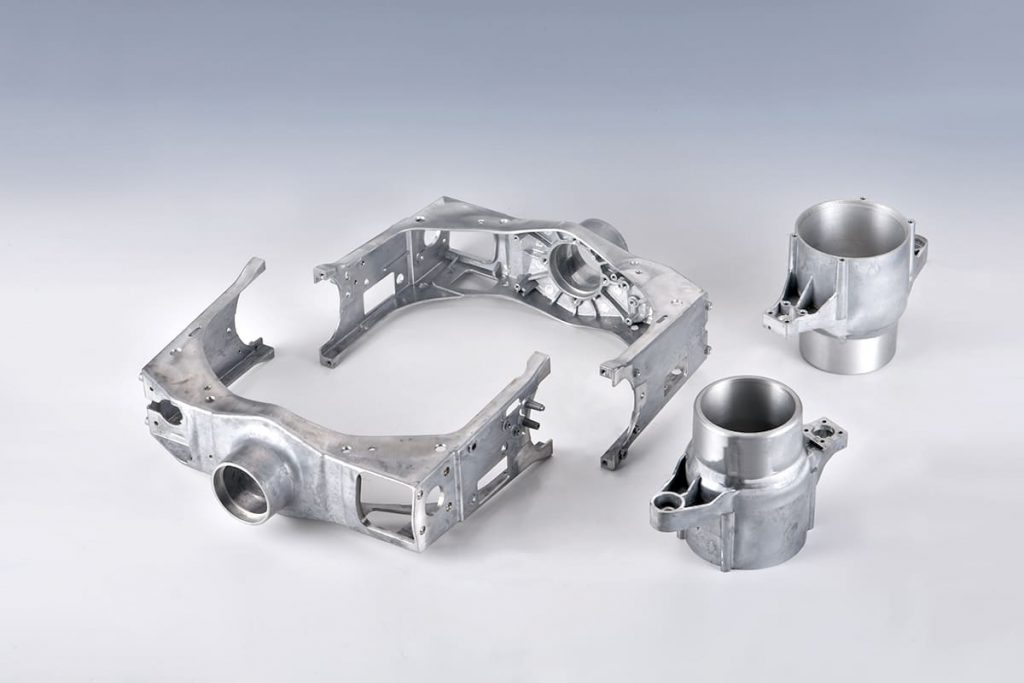
Don’t run every test. Pick the ones that will break your design if there’s a problem. Typical, useful checks: dimensional inspection, hardness or metallurgical checks for cast metals, accelerated life testing (thermal cycling, salt spray where corrosion matters), and functional endurance runs. Use destructive testing on a couple of samples to see failure modes — that’s where you learn what to fix.
Common mistakes people keep making
They skip realistic loading. They test at room temperature only. They trust a single sample. They accept surface appearance over dimensional conformity. Don’t overfit cosmetic quality to prototype tooling — what looks great on a soft insert may distort when you move to production tooling. Get multiple parts from different runs when you can; variability is the enemy of reliability.
Alternatives and when they make sense
Low-volume options: CNC machining gives great dimensional control but can blow budgets on complex geometry. 3D printing gets you functional proof fast, though material properties and surface finish differ from metal castings. Early aluminium or zinc castings tell you how the real alloy behaves; use printed or machined parts to validate ergonomics and assembly before spending on tooling. Choose the method that answers your biggest unknown first.
How to pick test criteria and vendors without guesswork
Make a short checklist tied to failure risk: critical dimensions ± spec, key material properties, a defined number of life cycles, and one severe environmental test. Ask vendors for measurement reports, first article inspections, and a clear change-control statement — how they’ll handle a tooling tweak or material swap. If you want a single trusted name that fits those needs for cast components, the production experience and test records from established partners matter more than shiny marketing sheets.
The simplest way to think about it
You’re not proving perfection; you’re reducing unknowns until you can live with the remaining risk. Start with function, prove the weak points with targeted tests, fix what breaks, and re-check. That loop — define, test, fix, repeat — gives confidence without wasting time or money. For pragmatic support on cast components and low-volume transitions, look at partners with hands-on production experience and clear records like Hanstar, who can match testing to what your product actually needs.
