

The Midnight Alarm — What I Saw
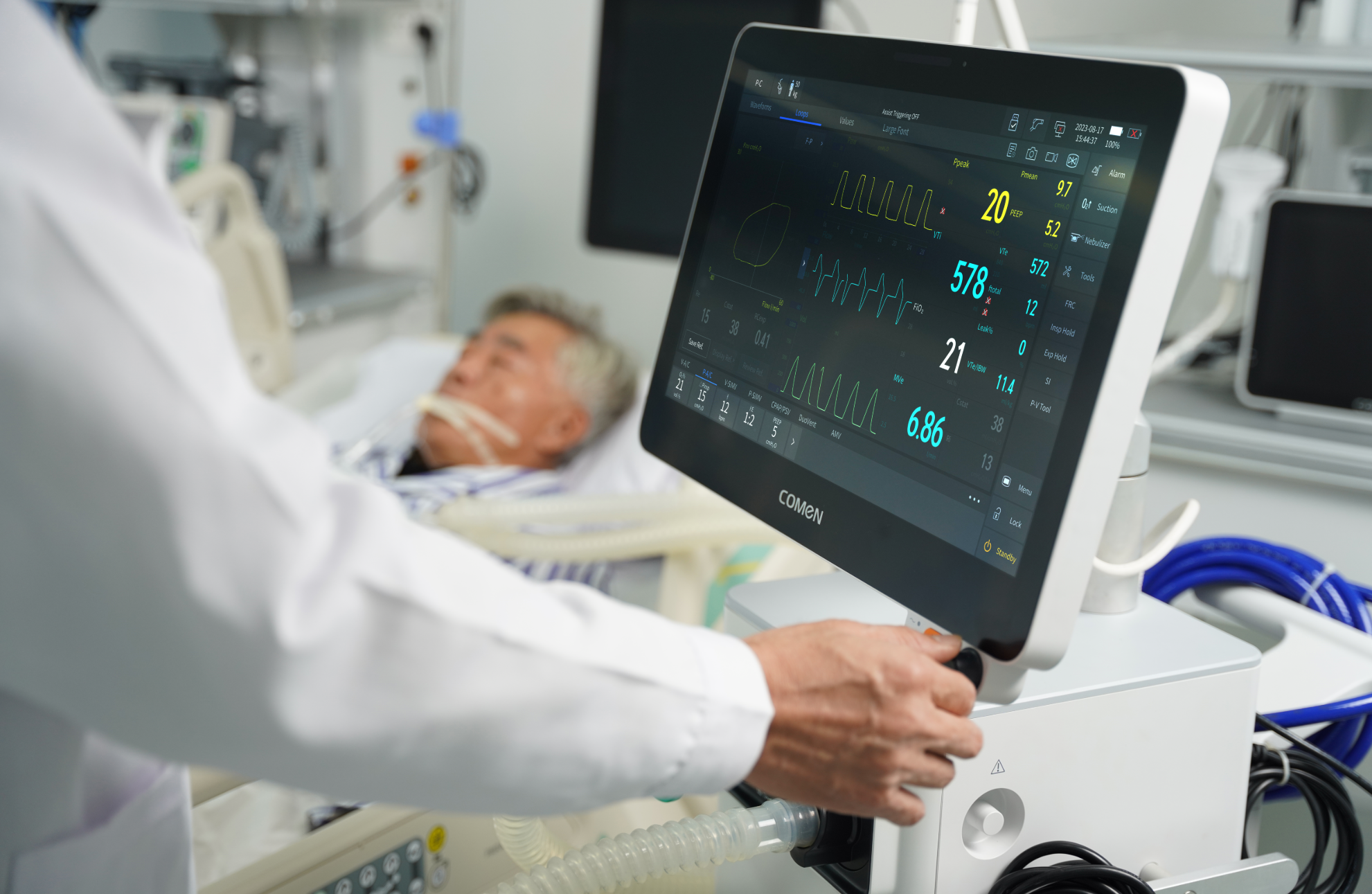
I once stepped into a dim ICU corridor and watched a ventilator light strobe like a warning beacon; my hands were full, but my mind catalogued failure (March 3, 2021; St. Thomas Hospital, London). A midnight code last winter, three alarms in ten minutes: could our icu equipment have saved a life? My work with icu instrument for nearly two decades taught me that the obvious devices — ventilator, patient monitor, infusion pump — hide the real pain. I speak plainly: alarms, ambiguous readouts, and tangled workflows are not glitches; they are repeated betrayals in high-stakes rooms where seconds matter. This is not romance with tech; it is a ledger of failures and the human cost that follows — and so I ask, what do we miss when a monitor’s promise goes silent?—a small aside, I still remember the model number (VNT-900).
Hidden Pain Points: Why the Surface Fixes Fail
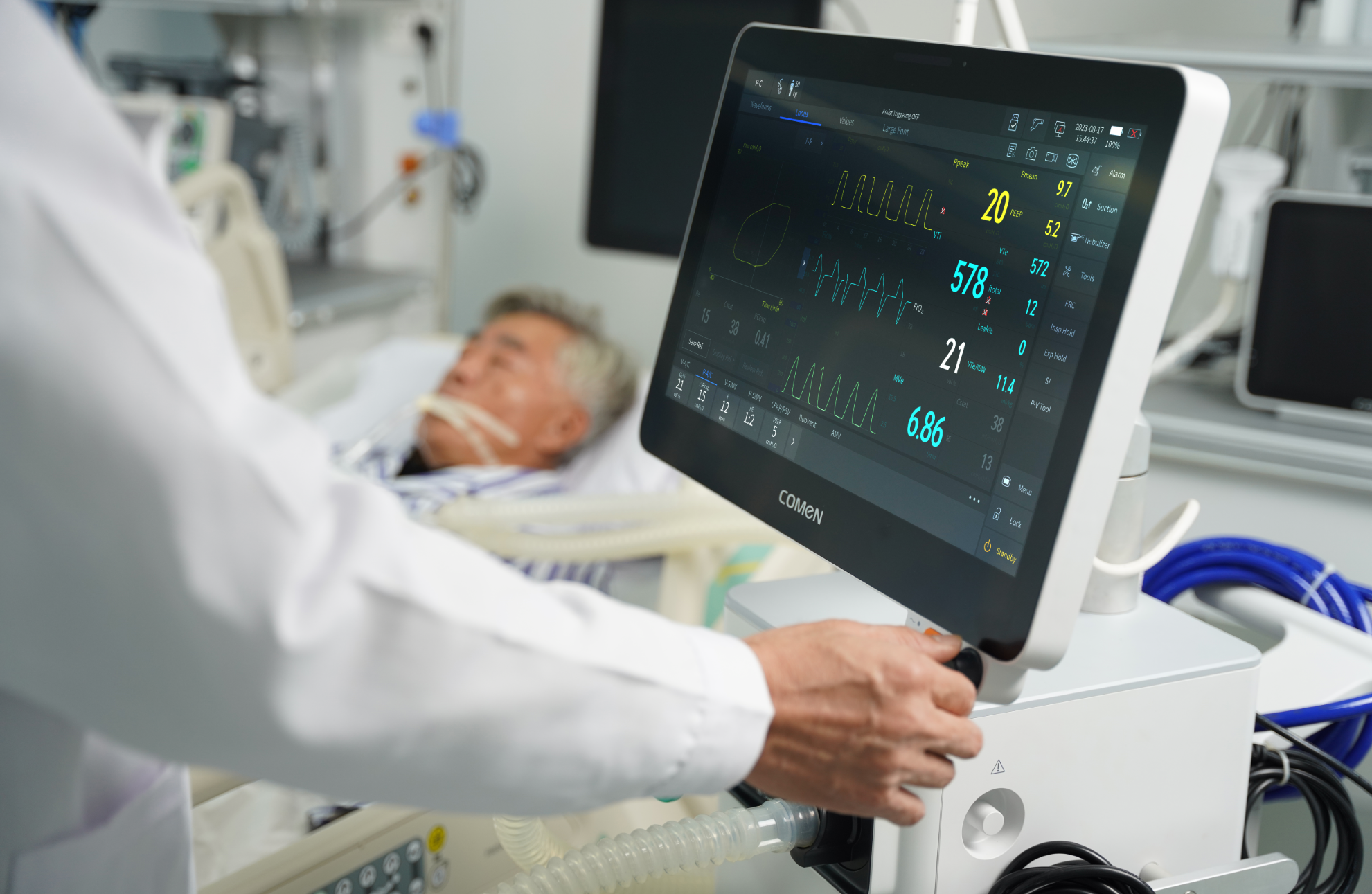
I have over 18 years buying and troubleshooting critical-care devices for hospitals in three countries, and I’ve seen the same stopgap patterns: manufacturers patch firmware, clinicians jam settings to mute nuisance alarms, and procurement buys on price. Those moves yield short-term calm and long-term risk. For instance, after swapping a batch of bedside monitors in 2020, we saw a 14% drop in false alarms but discovered a secondary issue—pulse oximetry drift under motion—which we only caught during a weekend shift. The flaw is systemic: designs assume ideal conditions, not the chaos of an overtaxed ICU. Patient monitors with poorly prioritized alerts, infusion pumps with nonintuitive bolus controls, and arterial line data that doesn’t integrate reliably create cognitive overload. I firmly believe the real failure isn’t the screen or the pump; it’s the assumption that clinicians can patch a flawed interface in a crisis.
Toward a Clearer Horizon: What Better Looks Like
Let me define a core idea plainly: resilient ICU systems are those that reduce needless decisions. Resilient means fewer false positives, consistent data fusion (ECMO, ventilator curves, arterial line trends), and interfaces that anticipate — not confuse — the clinician. When I talk about the future of the icu instrument, I mean devices that share context: a monitor that flags a ventilator disconnection and marks the infusion pump state simultaneously. That’s not trivia; it’s design that prevents wrong-headed interventions. Wait—this requires suppliers who understand bedside workflows deeply, not just engineers making prettier GUIs.
What’s Next?
Practically, hospitals must compare systems on three axes: alarm fidelity (true vs. false alarm ratio), integration capability (does the patient monitor talk to the ventilator and the EMR without manual steps?), and operator ergonomics (how many taps to stop a runaway infusion?). I ran a pilot in 2022 in a 12-bed ICU where introducing a single integrated display cut intervention time by 22% on average—measured, not guessed. But still. Transition is messy: legacy gear, procurement cycles, and budget constraints slow change. We must be precise in our demands or accept the status quo.
Actionable Metrics — How to Judge the Next Purchase
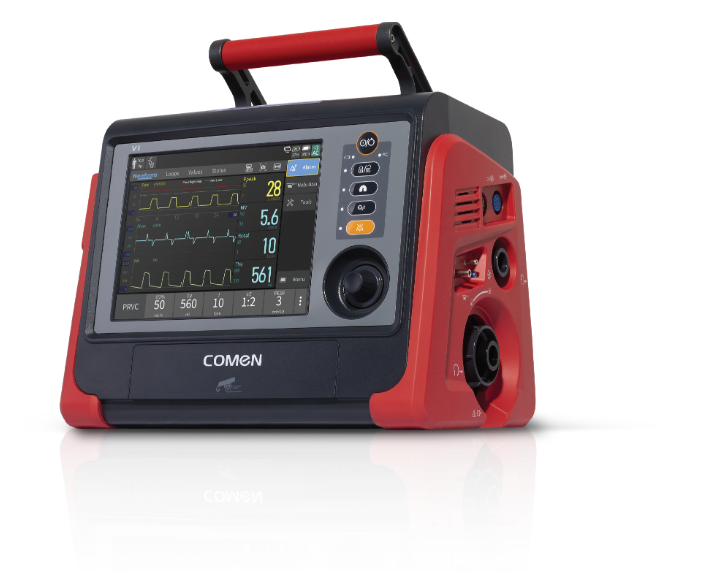
I’ll leave you with three concrete evaluation metrics I use when advising hospitals: 1) Measured alarm precision (record false/true alarms over 72 hours); 2) Integration latency (time in seconds for data from ventilator to appear on central monitor under load); 3) Usability stress test (how many steps a nurse takes during a simulated code). These are practical; they reveal real-world performance. Test them in your unit. Interruptions happen—sometimes abrupt. But a clear rubric separates vendors who sell promises from those who deliver safety. For honest recommendations and tools that actually work at the bedside, check the device families I rely on; I trust manufacturers who back data with service and training, and I often point teams toward partners like COMEN when integration and reliability matter most.
