

Introduction: A Simple Farm Tale, a Stat, and a Question
I was once stranded at a country diner while my truck charged at a slow unit — folks stared, coffee cooled, and I counted the minutes. In the U.S., public fast chargers still average under a third of ideal uptime in some regions, and that matters when you run on a schedule. dc ev charger sit at the heart of that problem: they promise speed but often deliver delays (and a fair bit of noise). I want to walk you through what I’ve seen work — and what trips people up — so you spend less time fiddling and more time moving. How do we pick a charger that truly fits our needs, not just the sales pitch? Here’s the start of the answer, plain and practical — let’s dig in.
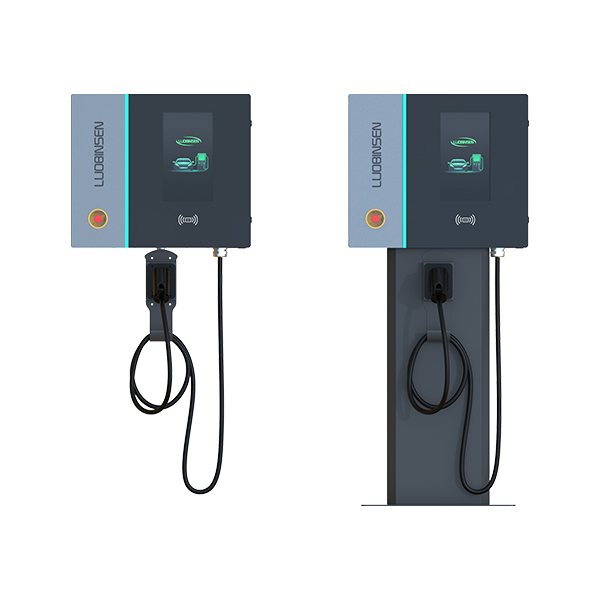
Why Many Solutions Fall Short for Operators and Drivers
Early on I trusted the spec sheet more than my gut. Then I visited a few sites and talked to installers. If you’re comparing vendors, look at real-world behavior — not just peak kilowatt numbers. A reliable dc ev charger manufacturer will back up uptime, service plans, and interoperability. Most failures trace to a handful of flaws: poor thermal design on power converters, weak load balancing across bays, and controllers that choke under peak load. I’ve seen sites where edge computing nodes were promised but never tuned — nice word, but the station still stalled during demand spikes. Look, it’s simpler than you think: specs matter, but so does integration.
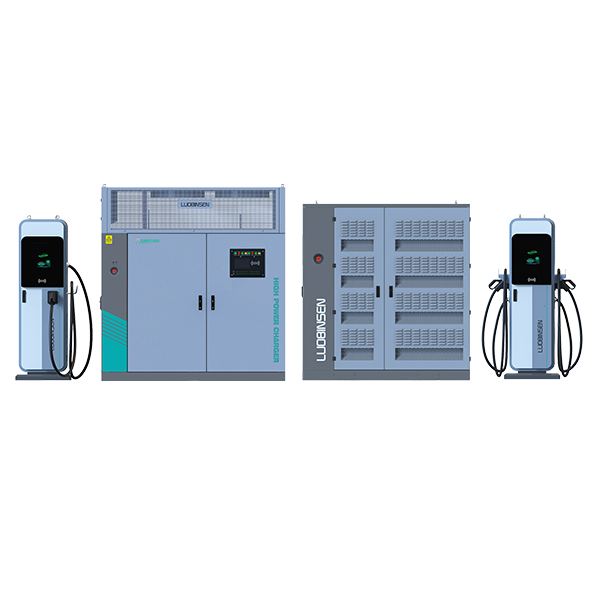
What breaks first?
In my experience, it’s often the ancillary systems — the cabling, the cooling, or the payment backend — not the main converter. Faulty power converters heat up and derate output. Poor site planning leads to uneven peak load distribution. And vendors who don’t test for real traffic patterns leave you firefighting later. I now ask installers for field logs and failure reports before I sign. Simple, right? — yet many skip it.
New Technology Principles and a Look Ahead
We’ve moved past “more kilowatts is always better.” I now judge chargers on smarter metrics: dynamic power allocation, bidirectional inverter readiness, and how gracefully a unit throttles under grid constraints. That’s why I pay attention to systems that use edge computing nodes to manage local decisions fast. A modern high speed ev charger should not only push electrons quick — it should talk to the grid, adapt to local solar, and avoid fuss during peak demand. These principles cut downtime and save on energy costs over years, not months.
Real-world fit — what to expect
When I evaluate a site now, I run a short checklist: thermal margin on the converter, software update cadence, and interoperability with common EVSE protocols. Then I test with real sessions — multiple vehicles back to back. Results matter: you’ll see whether the charger holds power or folds. Three metrics I recommend using when you choose: uptime percentage over 12 months, delivered kW under sustained load, and time-to-repair SLA. Those three give you a real feel for daily life at the station — not just a glossy brochure. — funny how that works, right?
Closing Advice — Metrics That Tell the True Story
I’ll leave you with three clear metrics I use to decide between systems. First, uptime: aim for above 98% measured over a year. Second, sustained delivered kW: test with two heavy sessions and confirm the unit keeps output. Third, service response: a 24–48 hour on-site fix is a lot better than promises. I’ve learned to trust field data over promises. If you want a partner who can stand behind numbers and has field-proven units, check choices carefully and ask for logs. We’ve worked with multiple manufacturers and models — some shine, some don’t. For a reliable partner and more details on products and specs, see Luobisnen.
