

Introduction: The Real-World Match-Up
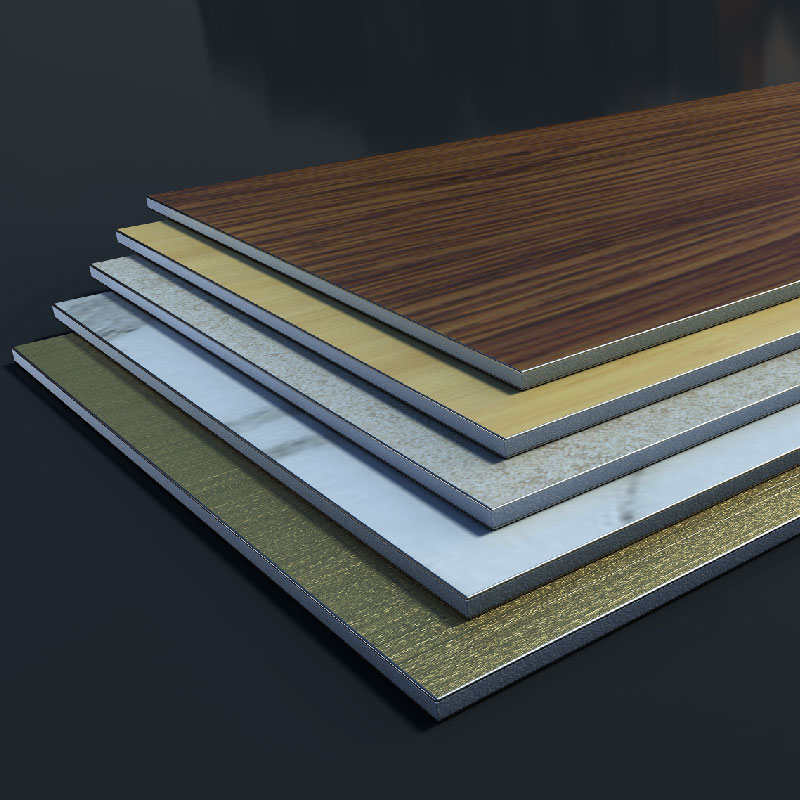
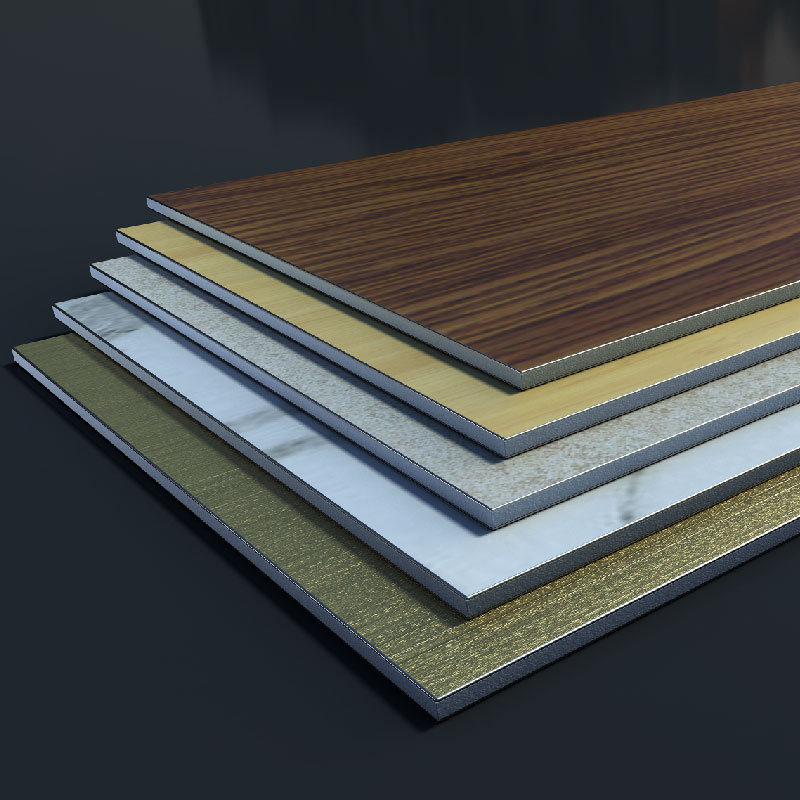
Let’s define the mission: cladding is a performance layer, not a costume. Aluminum Composite Panel turns that idea into a practical loadout for builders and designers. Picture a tight downtown site, cranes booked by the hour, and a deadline breathing down your neck—now factor in a windy 20th floor. Teams that switch to aluminum composite panel acp sheet report lighter lifts, faster installs, and fewer callbacks. Numbers back it up too: lower weight cuts sub-framing stress, PVDF coating holds color for decades, and tested peel strength keeps the skin bonded under wind load. You want high FPS, not lag, in your project pipeline. So, why do some crews still push heavier, slower systems that fight thermal expansion and punish budgets (and patience)? The better question: what’s holding back adoption when the specs say go?

Let’s peek under the hood and see where legacy choices trip over real site constraints.
Deeper Layers: The Pain Points Old Methods Hide
What keeps projects from staying flat, fast, and safe?
Directly put, older cladding paths load you down. Solid plate looks tough, but the weight demands more sub-framing and bigger anchors. That cascades into cost, freight, and schedule creep—funny how one choice snowballs, right? Fiber cement and stone face crack risk under thermal cycling and wind load. Ceramic can chip on impact. Sealants take UV damage. Even painting becomes a maintenance loop if the coating system isn’t right. By contrast, composite cores handle stress with less mass, so your façade stays flatter with fewer braces.
Look, it’s simpler than you think. Many failures tie back to physics the wall can’t ignore: thermal expansion mismatch causes oil-canning; poor joints choke drainage; low peel strength invites delam under pressure. When you build heavy, the margin for error shrinks. Better to design with a balanced modulus and tested flatness tolerance. A good rainscreen detail vents the cavity, a proper FR core hits the fire rating, and a quality coil coating like PVDF resists fade. The result is less rework and cleaner lines. That is the quiet win project managers crave.
Forward Look: Principles That Make the Upgrade Inevitable
What’s Next
Here’s the comparative truth moving forward: composites keep improving while old systems max out. New lamination lines boost peel strength consistency. Mineral-filled FR cores push fire performance without adding bulk. Smarter joint gaskets tame thermal movement, so panels stay flat in heat and cold—no drama. Digital takeoff tools pair with panel nesting to slash waste and speed field cuts. And the coating stack keeps evolving; modern PVDF resins and primers improve chalk resistance and gloss retention, even in coastal air. When a spec sub shifts to an aluminum composite panel sheet package, they often cut lifts, simplify crews, and shorten the crane plan. Less overhead. More control. That’s not a marketing line—it’s process physics.
Future-facing, expect even tighter flatness specs, better recycled content, and faster on-site verification via QR-tagged batches. Case in point: a mid-rise retrofit swapped heavy plate for FR-core ACM and trimmed the sub-framing by 18%, while keeping the same wind-load rating. Noise dropped. Install time fell. The punch list shrank—funny how that works, right? The main takeaway from above isn’t complicated. Lighter means fewer variables. Stable coatings mean longer intervals between maintenance. And a tuned cavity means your wall dries out after storms instead of storing trouble.
To wrap, use three metrics when you choose: 1) Performance core and classification: confirm FR or A2, with certified test data. 2) Coating system quality: PVDF content, color retention numbers, and salt-spray results. 3) Dimensional control: flatness tolerance, thermal expansion data, and warranty terms that match your climate zone. If these align, the façade plays nice with time and weather, and the project closes cleaner. For a deeper spec dive or sample data, you can start with yaret.
