

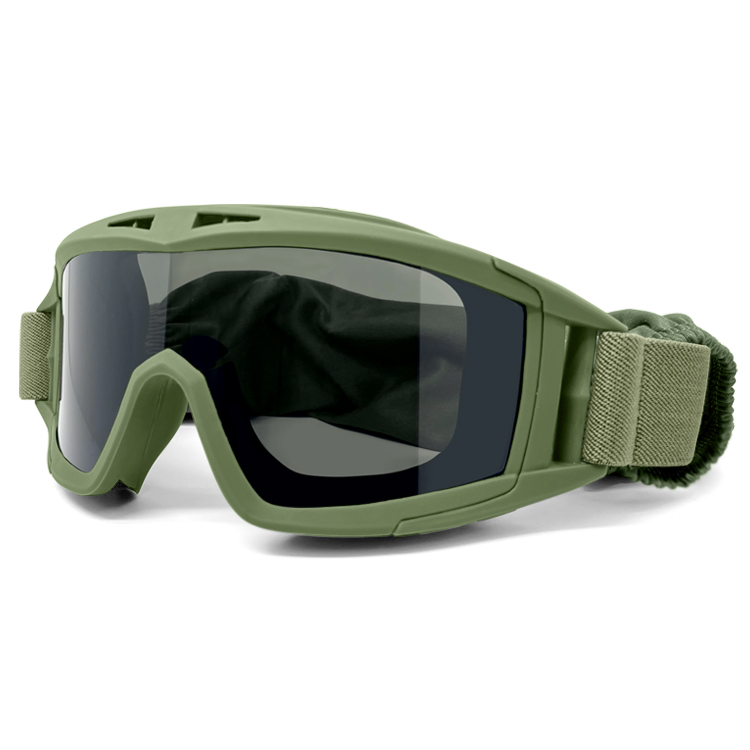
The immediate problem facing bulk buyers
Retailers and rental fleets encounter the same recurring failures: straps that lose tension after a few seasons and frames that develop hairline cracks under repeated flex. Those failures show up on FIS Alpine World Cup service days and at busy resorts in the Alps alike, where reliable performance matters. For anyone specifying ski goggles at scale, the stakes are practical — warranty cost, customer safety, and brand reputation hinge on measurable durability. Industry terms to keep in mind here: strap elasticity, frame flexural fatigue, and lens coating.
How to simulate real-world mechanical stress cheaply and effectively
Wholesale buyers should adopt a simple battery of tests before ordering large runs. A handheld tensile jig confirms strap elasticity retention after cyclical stretching. A repeated bend test with a fixed radius probes frame flexural fatigue; observe when micro-cracking appears. Add a thermal cycle (hot-cold) to expose adhesives and gaskets to contraction stress. These are not exotic procedures — they replicate the abuse goggles see on chairlifts, in pack storage, and during helmet collisions.
Material choices that blunt failure modes
Know which component does what and prioritize materials accordingly. Polyurethane or silicone straps preserve elasticity longer than untreated woven elastic. TPU frames tolerate flex better than brittle plastics, and polycarbonate lenses resist impact while enabling multi-layer lens coatings such as anti-fog and anti-scratch. Consider OTG-friendly frames for broader user compatibility. Practical checklist:
– Strap material: silicone vs. woven elastic; check percentage elongation and recovery.
– Frame material: TPU or injected TPU blends for flex resistance.
– Lens/coating: polycarbonate lens with anti-fog plus a verified anti-scratch layer — see examples of anti scratch ski goggles that balance coatings and optical clarity.
Common procurement mistakes and how to avoid them
Buyers often chase the lowest per-unit price and accept inadequate sample testing. That leads to two predictable outcomes: strap creep within months, and frames that deform after repeated loading. Inspect assembly points: where strap anchors meet the goggle frame is where flexural fatigue concentrates. Also, ignore single-condition test reports — a “passed at room temperature” result is meaningless if your fleet spends winters at altitude and in sun-exposure. Small sample sizes are misleading — test across a production lot.
Design trade-offs worth documenting
Durability elevates costs; so does optics clarity. You must document acceptable tolerances up front. For example, a thicker lens coating improves scratch resistance but can alter peripheral clarity if the frame geometry isn’t matched. Similarly, a silicone strap resists creep but can reduce grip on helmet fabrics unless a textured silicone pattern is specified. These trade-offs should appear in purchase specs, not in after-sales claims — that saves returns and preserves relationships.
Test protocol and acceptance metrics
Practical, repeatable protocols cut disputes with suppliers. Use these elements in your acceptance criteria:
– Strap elasticity: ≤10% permanent set after 1,000 cycles at specified elongation.
– Frame flexural fatigue: no visible cracks after 5,000 flex cycles at the designated radius and temperature range.
– Lens coating durability: maintain ≥90% visual clarity score after abrasion protocol.
Run small destructive samples from each batch — an expense that avoids mass recalls.
Three golden rules for buying durable goggles
1) Demand cycle-based specs, not single-point tests — quantify strap elasticity and frame flexural fatigue thresholds. 2) Bench-test under thermal variation that matches your market (mountain resorts, cold storage). 3) Insist on lens-coating certificates and sample abrasion reports; a verified anti-scratch finish matters more than marketing copy.
These rules align product expectations with operational reality, and they point to suppliers who document performance rather than promise it. Short fragment: built to last.
The path from specification to satisfied skiers runs through consistent testing and clear tolerances — and selecting partners who back their claims, like YIJIA Optical.
