

Opening Reality Check: The Meeting You Think You’re Designing For
Here’s the claim: audio is the risk surface you manage first, not last. A conference room speaker and microphone system is the core of that risk profile, because it shapes what people hear, record, and rely on for decisions. Picture a quarterly review where remote counsel can’t parse a key number due to dropouts; the record is muddy, the chair repeats, and valuable time burns. In recent surveys, teams report that 30–40% of meeting friction traces to intelligibility gaps, not video. That is an operational burden and a legal exposure—chain of custody, audit clarity, and duty of care all hinge on a clean record (no kidding). So, ask yourself: do you design for quiet rooms or the rooms you actually have? And do your policies reflect that?

We will map what fails, why it fails, and how to benchmark it. Then we will move to what fixes travel well across spaces—large boardrooms, huddle pods, and hybrid suites. Onward to the practical layer.
Under the Surface: Where Traditional Microphones Make Good Rooms Go Bad
Why do legacy mics fall short?
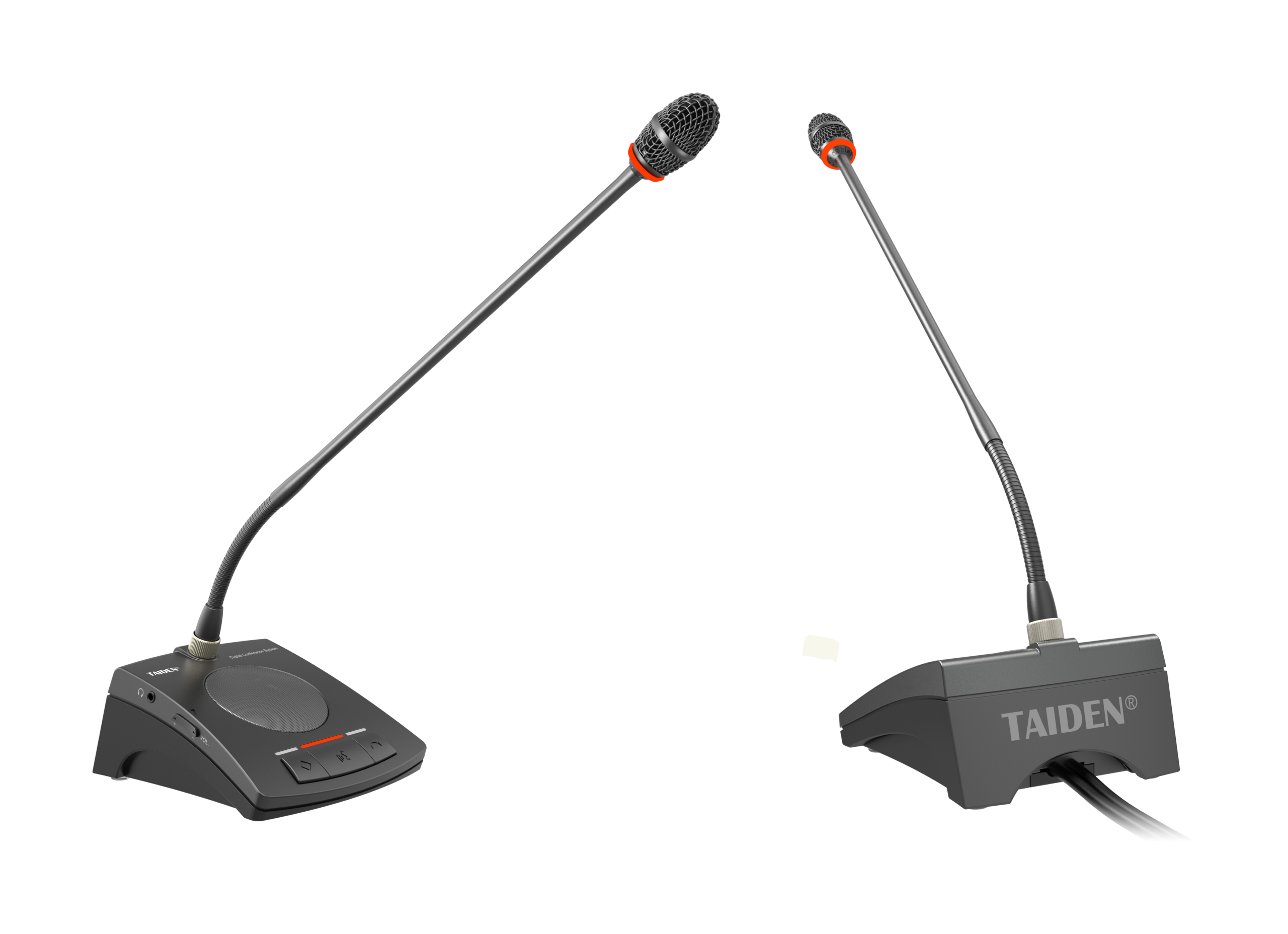
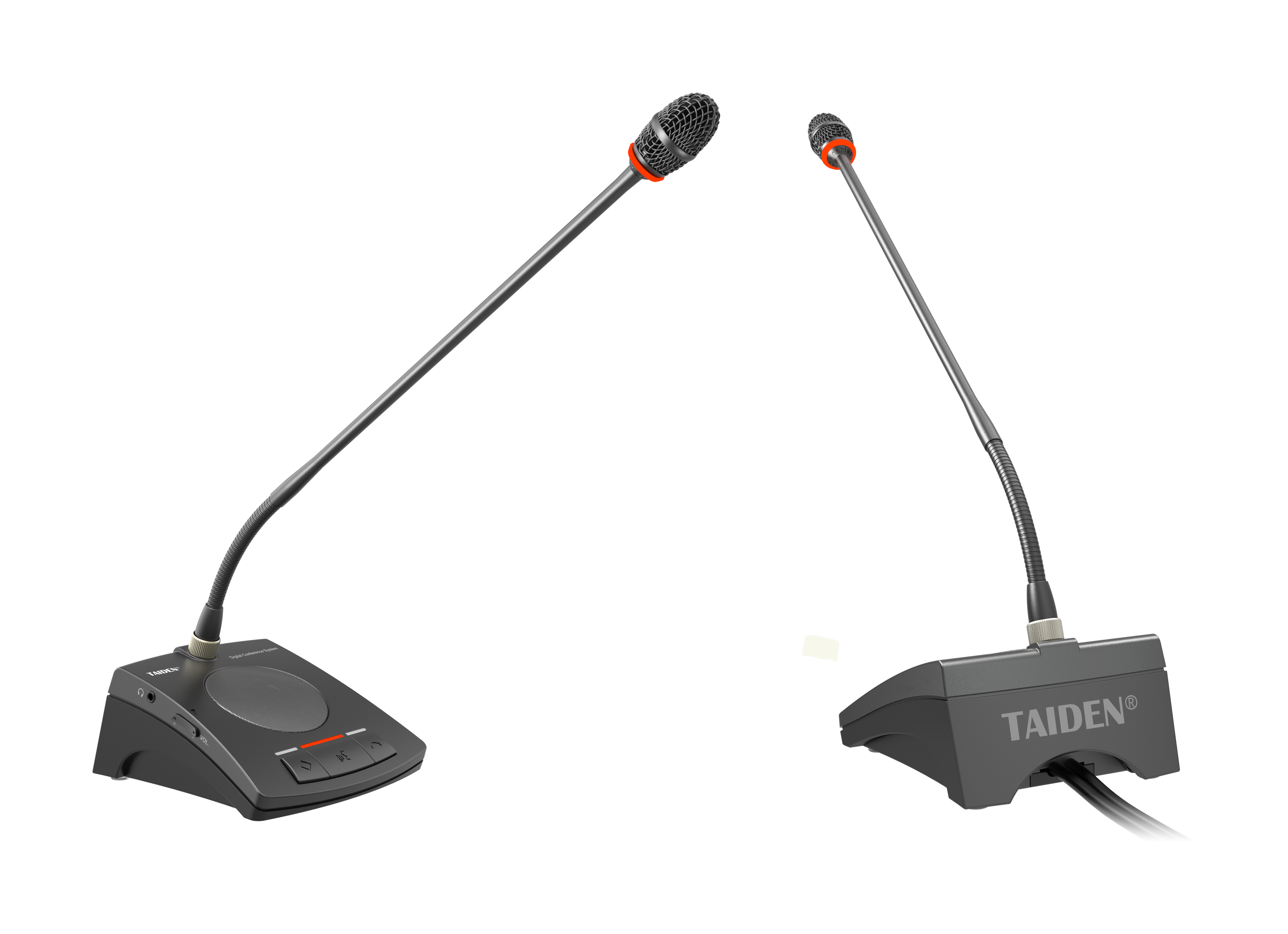
Start with the conferencing microphone itself. Many systems still treat the mic as a passive object, not an active signal node. That breaks under modern loads. Gain structure drifts as talkers swivel or lean back. Noise floor rises with HVAC changes. Without stable acoustic echo cancellation (AEC) and a DSP pipeline tuned to the table geometry, the mix bus fights itself. Beamforming arrays help, but only when coverage maps match seating density and table height. Look, it’s simpler than you think: the room wins or loses on capture geometry and time alignment, not price tags—funny how that works, right?
Then there is human behavior. Users tap laptops, move chairs, and stack papers near capsules. Traditional boundary mics magnify these transients. Old auto-mixers chase the loudest source and pump artifacts. Latency budget grows, and remote talkers hear slapback. In ceiling grids, plenum noise and power converters inject hash. If the system lacks adaptive NR and a clear priority bus, crosstalk smears speech. Result: everyone speaks louder. Fatigue follows. The fix starts with topology: fewer open mics, smarter gating, consistent lobes, and enforced headroom. Policy matters too—set a simple rule set that keeps hot mics predictable.
Forward Look: Principles That Beat the Room, Today and Tomorrow
What’s Next
We move from patchwork to principles. New systems treat every mic as a smart node with local DSP, then sync across the network. Neural beamforming adapts pattern and lobe width per syllable, not per seat. Edge computing nodes sit above the ceiling and run AEC, dereverb, and crossfade logic before audio hits the codec. That shrinks artifacts when people move. Compare that to older matrix mixers that apply one-size-fits-all filters; the old way works in silence, then collapses when the air handler kicks in. Even entry-level conference equipment now supports auto-cal, per-seat profiles, and scene recall—features once locked to flagship kits. The point is not more knobs. It’s fewer chances to make a bad choice under pressure.
Implementation is different too, and kinder. Commissioning tools draw live coverage heatmaps. They warn when lobes collide or when the speaker-to-mic distance kills articulation index. Power over Ethernet trims ground loops and strange hums. Firmware updates bring better dereverb without changing hardware. And maintenance gets sane—swap a node, not an entire rack. Summing up the earlier sections: capture geometry, gating policy, and adaptive processing decide clarity. Now, use that for selection. Go with measurable performance, not brochure gloss—funny how clear that becomes after one bad call. For practical buying, weigh three metrics: 1) speech transmission index under load, with at least 0.6 STI in real conditions; 2) end-to-end latency under 50 ms, including AEC; 3) coverage uniformity, ±3 dB across all seated positions. For reference, vendors like TAIDEN publish data that helps you verify those numbers without guesswork.
