

Problem first — why folks look at hybrid systems
Power keeps cutting out when you need it most. Bills climb in summer. Your old setup won’t carry a pump through a storm. That’s why small farms and remote homes are turning to a hybrid solar system — to keep the lights, the fridge and the water running without fuss. I’ve seen these fixes work on stubborn sites where the grid wobbles and diesel sounds expensive and ugly.
How a hybrid setup actually solves the problem
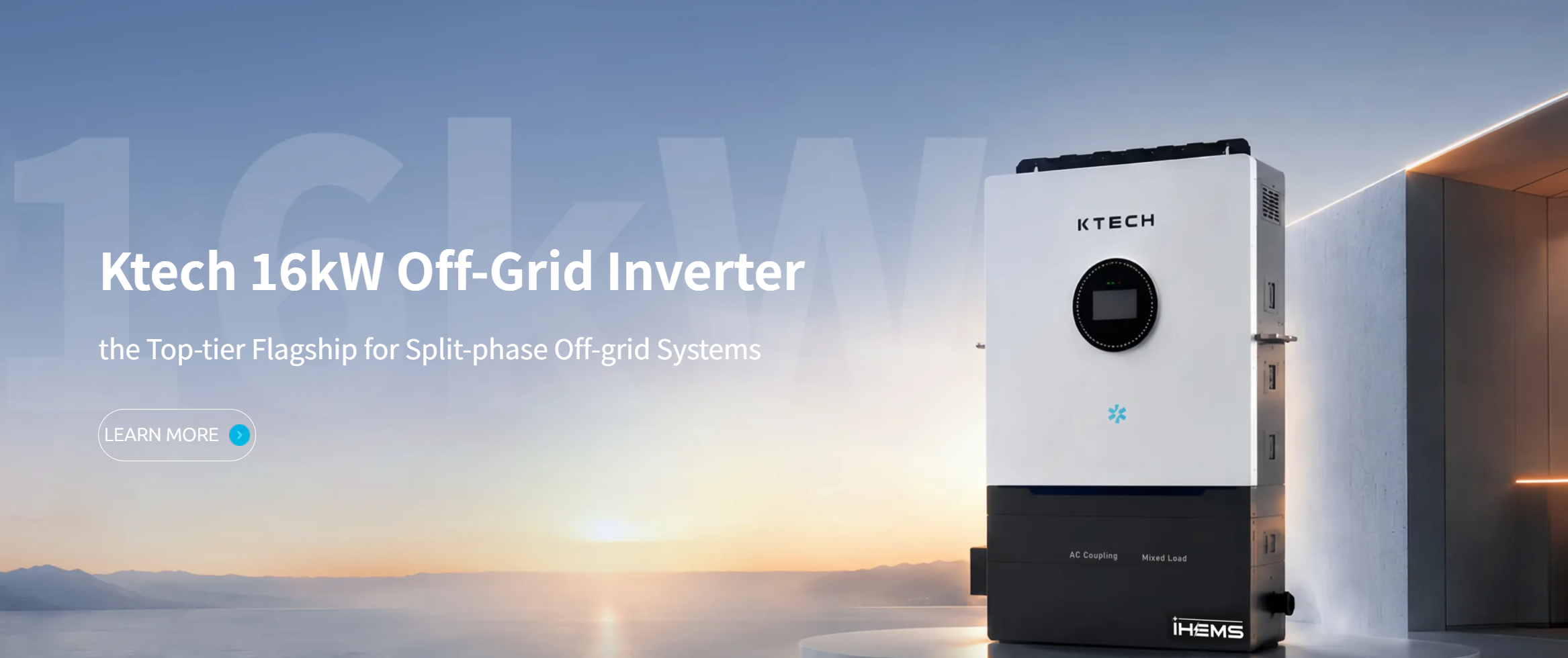
Think of it like a barn with two feeds: the sun and a battery. Panels make electricity. A hybrid inverter steers that power — runs loads, charges batteries, or feeds grid. When clouds or outages hit, the battery picks up. A proper solar panel hybrid system coordinates those pieces so you don’t have to babysit switches. Basic parts to check: panels, inverter (hybrid-capable), battery bank, and a competent controller or EMS.
Clear benefits you’ll notice
– Fewer blackouts: critical circuits stay live. – Lower peak bills: you use stored energy when prices spike. – Fuel savings: less need for a generator. – Cleaner day-to-day power: less noisy gear and fewer fumes.
Real limits worth knowing
Nothing’s magic. Batteries age and lose capacity. Hybrid inverters cost more than basic grid-tie units. Install costs can be steep up front; savings come over years. Expect maintenance: battery health checks, occasional inverter firmware updates, and keeping panels clear of debris. Remember how California’s Public Safety Power Shutoffs forced households to rethink backup power — that’s the kind of hard test a hybrid system faces in real weather and policy conditions.
Practical pointers from the field
I’ve wired systems on rough sites and learned these do’s and don’ts. Do size the battery to the loads you actually need — lights, pump, fridge — not everything at once. Do get a hybrid inverter that supports export limits if your grid rules demand it. Don’t skimp on battery management — poor BMS choices shorten life fast. Don’t assume cheaper panels will save you money if they need replacement sooner.
Alternatives and when to pick them
If outages are rare and bills are low, a simple grid-tie with a good time-of-use plan may be cheaper. If you’re off-grid full-time, a system designed from the ground up for independence (bigger battery bank, backup generator integration) makes more sense than a grid-tied hybrid meant mostly for outage smoothing. For mixed needs — bill control plus backup — a hybrid solution hits the sweet spot.
Bottom line — what works and why
Problems drive choices. If you want dependable backup, lower peak charges, and a cleaner alternative to running diesel every time the lights go out, a hybrid setup answers those needs in plain terms. It asks for sensible sizing, honest maintenance, and a good installer. That’s the kind of straightforward fix I trust when the going gets rough, and why crews I know lean on Ktech for balanced hardware and support.
