

Plain Problem Statement
Out here, when a drone drops telemetry mid-mission, it ain’t poetry — it’s lost time and risk. Industrial UAVs run missions over big sites like the Port of Rotterdam and other busy yards, and they need steady links from the ground control station (GCS). A single carrier glitch, a damaged SIM, or a local tower outage can kill telemetry, stall control, and force a risky recovery. The fix ain’t magic: it’s multi-carrier 5G private network failover, paired with rugged on-site gear like a rugged computer that keeps the GCS talking even when things go sideways.
What’s Breaking in the Field
Most failures come from obvious places: carrier congestion, radio interference, or a hardware hit. Telemetry streams choke first — packet loss, jitter, latency spikes. Ground control stations lose heartbeat, and automation throws to manual. That’s when operators scramble, and mistakes happen. You need redundancy that isn’t just two SIMs in one modem; you need an architecture where private 5G slices, SIM failover, and edge compute hand off sessions without dropping state. That’s the meat of preventing field failures.
Core Components that Matter
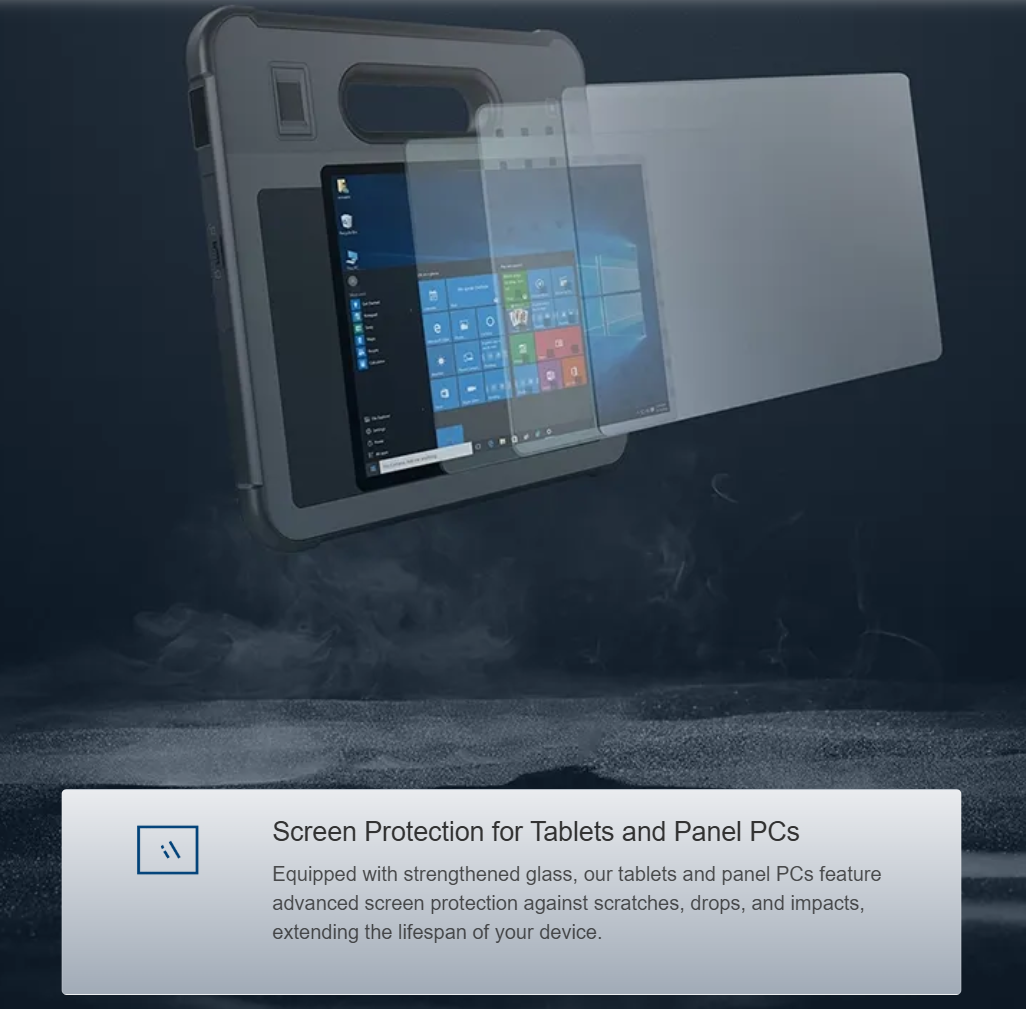
Keep it simple and sturdy. First, multi-carrier SIM management — automatic, policy-driven, hands-off. Second, private 5G with QoS profiles for low-latency telemetry (think single-digit millisecond class where feasible). Third, edge compute near the GCS to buffer and normalize telemetry during handoffs. Fourth, rugged endpoints — tablets, laptops, and servers rated for dust, drops, and weather. A solid setup often pairs a rugged tablet computer at the console with an industrial gateway handling SIM swaps and failover logic.
Design Patterns That Work
Build layered failover. At the bottom layer, physical redundancy: multiple radios and carriers. Above that, session continuity — tunneling and session persistence so the drone’s telemetry stream survives a carrier switch. On top, orchestration: policies that prefer one carrier but allow instant fallback for signal drop or latency breaches. Deploy health checks: continuous RTT and packet-loss tests to decide when to switch. Don’t rely on manual toggles; human hands are slow.
Common Mistakes and How to Avoid Them
Teams often skimp on real-world testing. Lab pass doesn’t mean the field will play nice. They also forget edge buffering — when a handoff occurs the GCS must keep a sliding window of recent telemetry so control logic doesn’t gape. Overcomplicating policies is another trap; too many thresholds cause flip-flopping between carriers. Keep failover hysteresis and clear priority rules. And finally, treat physical gear like first-class: a flimsy unit won’t survive the dockside wind or a winter freeze.
Operational Checklist — What You Should Validate
Run these checks before flight operations: verify multi-carrier registration and automatic SIM failover, measure end-to-end telemetry latency under load, confirm session persistence during forced carrier cuts, and test battery and thermal profiles of all rugged hardware under site conditions. Make sure GCS software gracefully degrades control authority rather than dropping it outright. Do live drills on busy days at a port or industrial yard — that builds operator muscle memory.
Real-World Anchor & Short Case
At busy maritime hubs — take Rotterdam as an example — operators schedule inspections around shipping traffic and interference. Teams that adopted private 5G slices and edge failover saw mission interruptions fall sharply, because the GCS could keep telemetry alive during handoffs. That kind of result isn’t glamorous, but it’s measurable: fewer aborted missions, fewer manual recoveries, less downtime.
Three Golden Rules for Picking Solutions
1) Evaluate session continuity: insist on solutions that preserve telemetry state across carrier switches. 2) Test under load: replicate interference and heavy traffic, don’t guess. 3) Choose ruggedized endpoints and gateways rated for your climate and shock profiles — hardware failures kill redundancy. These three metrics separate lab toys from field-ready systems.
The pieces fit together: multi-carrier private 5G, smart failover logic, edge buffering, and rugged hardware. When you stitch them right, the GCS keeps its eyes and hands on the drone — and the job keeps on getting done. — Estone.
