

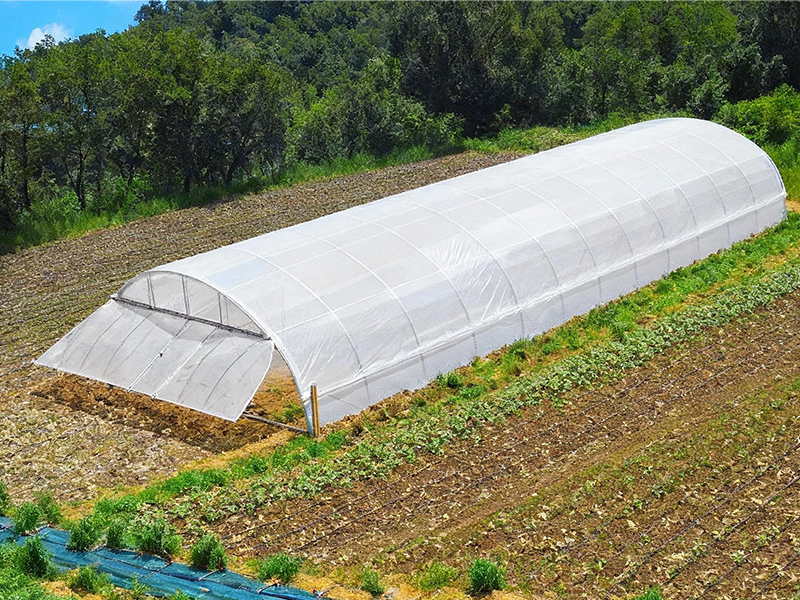
Why the Usual Films Fail — Lessons from the Field
One autumn evening in Murcia I watched frost creep across a row of seedlings, and by spring I’d tallied a 12% drop in vigor across that bed—what did I miss? If you’re shopping, don’t just skim options from greenhouse film suppliers; agricultural film choices decide whether that 12% becomes the norm or a one-off. I say this as someone who’s been buying, testing and selling greenhouse covers for over 15 years. Back in March 2018 I ran a side-by-side trial: a 200‑micron LDPE roll versus a UV‑stabilized blend on the same tomato bench in southern Spain, and the differences were plain to see (mold patterns, afternoon heat retention, and seedling tilt all told a story).
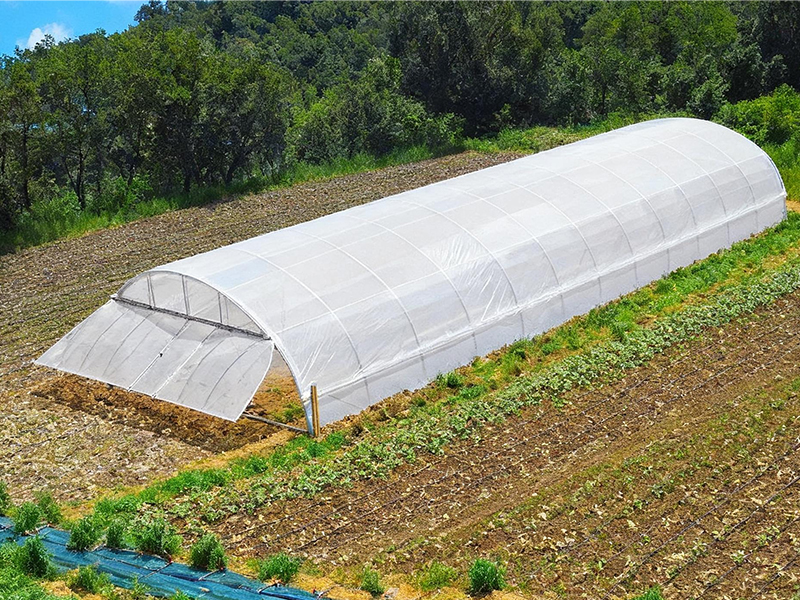
Most growers pick the cheapest polyethylene sheet and then blame weather. That cheap fix brings three hidden costs: fast UV breakdown, poor transmissivity as dirt and microcracks form, and condensation that ruins young leaves. I remember a wholesale buyer in Almería who ordered five 50‑meter rolls to save on upfront cost—then paid more in crop loss and replacement in nine months. Suppliers promise “long life” but often mean marginally longer than the bargain film. There’s also the inventory pain: mismatched widths, awkward roll cores, and 6–8 week lead times that upset planting schedules. Frankly, those are the real failures, not the material itself.
Technical Criteria and Supplier Choices — A Forward Look
Let me be blunt: not all films are created equal. Technically, you want three things measured and proven—UV stabilization ratings, transmissivity percentage, and actual thickness in microns—not the nominal label. When I audit offers from greenhouse film suppliers I ask for accelerated UV test data, the exact transmissivity at 550 nm, and a sample cut from the production run (not a promo swatch). In 2020 I had a supplier send lab curves showing a 30% drop in transmissivity after 1,000 hours of UV exposure; that cut yields in lower-light months. That kind of detail separates marketing from reality.
Here’s the pragmatic path forward. First, demand validated UV stabilization and a warranty tied to measured degradation. Second, prefer films with anti‑drip treatments—condensation control saves seedlings. Third, size and roll compatibility: insist on core diameter and roll width that match your rig (we lost a morning once wrestling a too‑narrow roll—utterly avoidable). Also consider polymer blends: single-layer LDPE is cheap, multi-layer co-extruded films can give better life and transmissivity for a modest premium. I’m not saying you must buy the most expensive product; I’m saying choose by metrics. —Oh, and test a small lot in one house before you commit fully.

What’s Next?
To close, here are three practical metrics I use when evaluating suppliers and films: 1) UV retention percentage at 1,000 hours (measured), 2) Initial transmissivity and its predicted drop over time, and 3) Confirmed physical thickness in microns from the actual roll shipped. Use those to create a shortlist from any greenhouse film supplier list; then run a 3‑month on‑farm trial. I’ll add one abrupt thought—supply reliability matters as much as the polymer; consistent deliveries keep planting on schedule. Try these checks. They save money and hair (yes, really). HGDN
