

Comparative opening: what shifted and why it matters
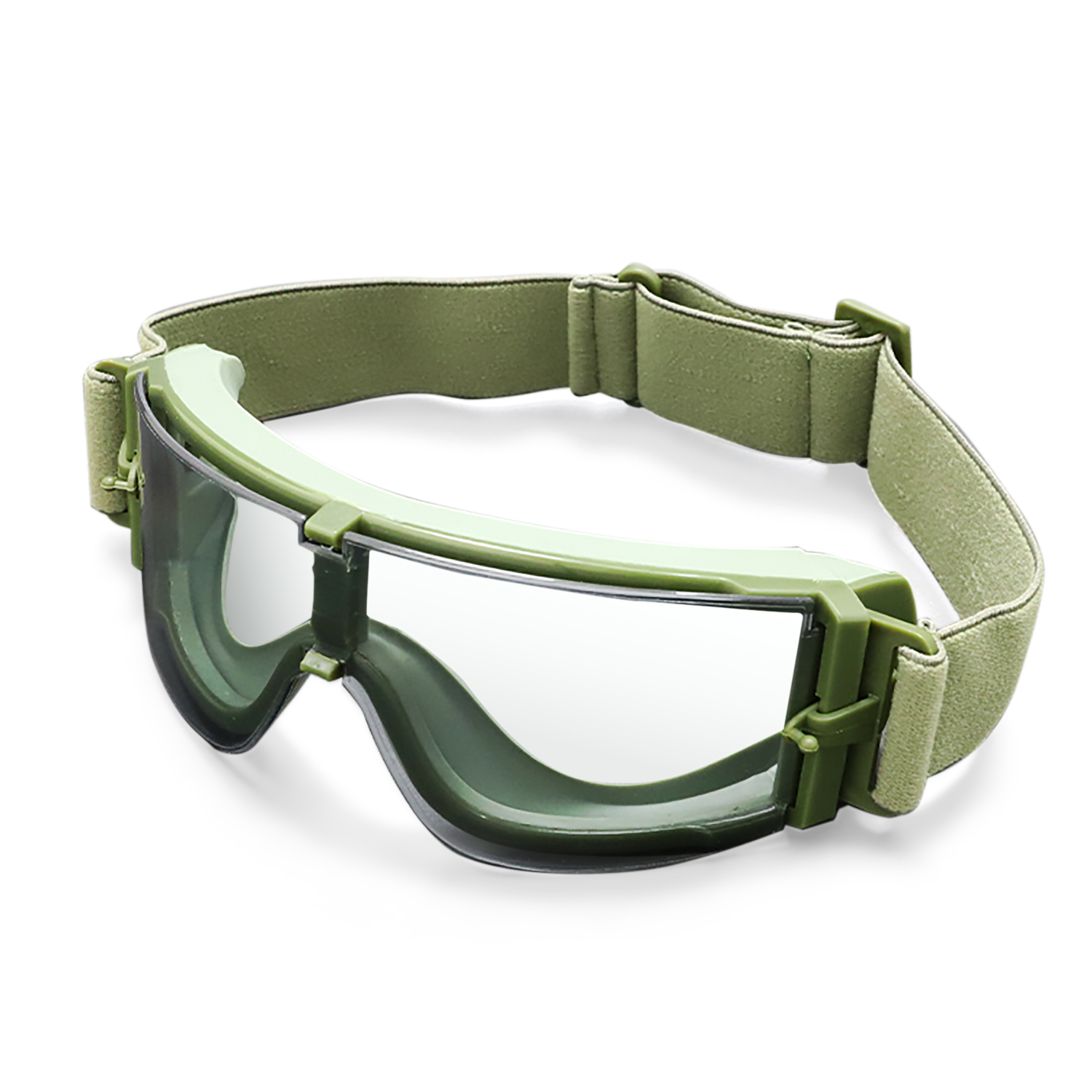
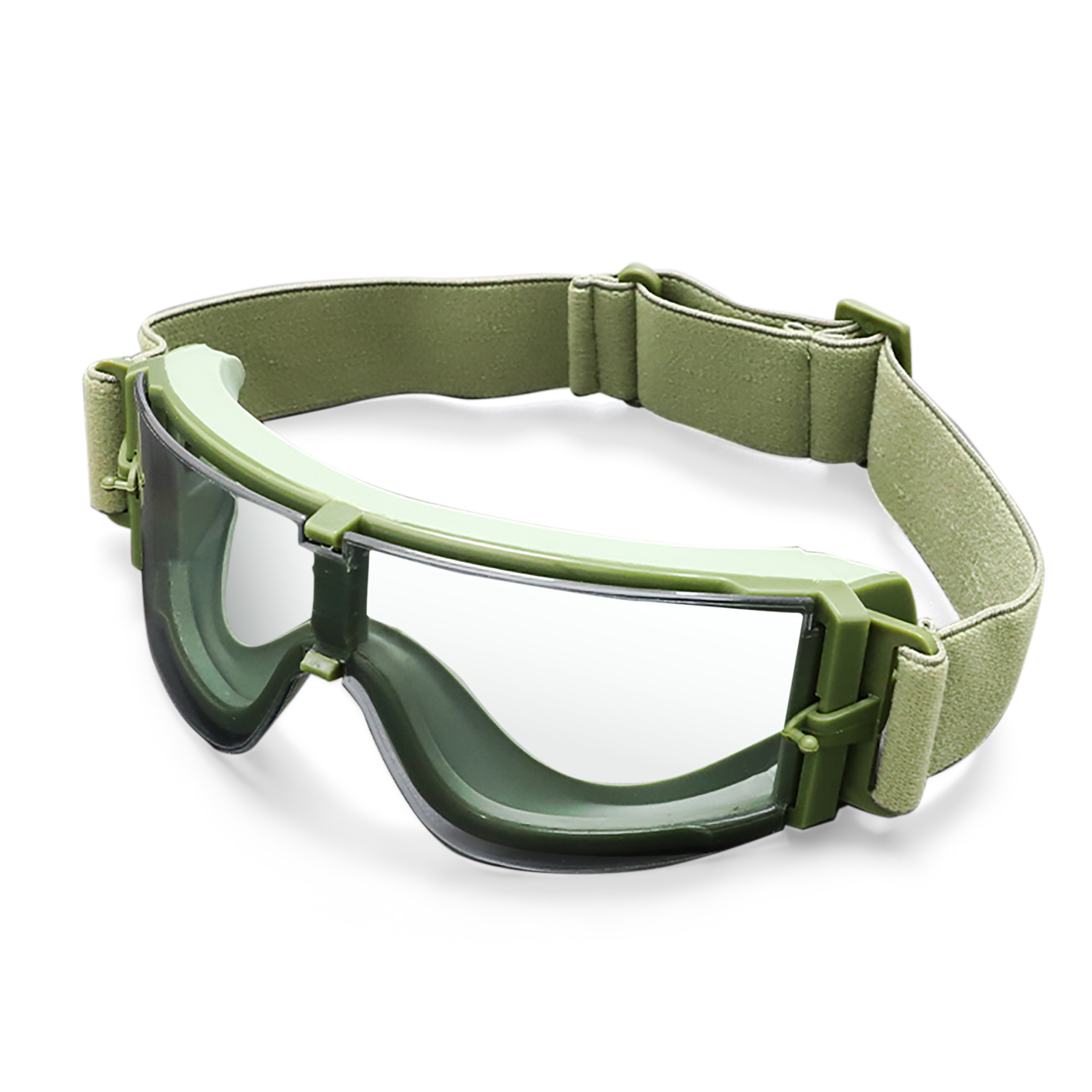
OEMs once relied mainly on single-layer mirror finishes that looked slick but did little for real-world spectral control. Today’s Revo-style, multilayer interference approaches let manufacturers tune transmission bands with accuracy — and that matters for both performance and safety. For users in humid climates or those who train in mixed conditions, pairing these coatings with practical products—like anti-fog tactical goggles—brings immediate, usable benefits. The difference is not just cosmetic; it’s about controlling which wavelengths pass through and which are reflected or blocked, improving target contrast without washing out color.
Technical evolution: layers, materials, and the spectral game
Early mirror coatings were simple metallic overlays. Modern Revo-style systems use thin-film stacks—dielectric mirror layers and anti-reflective deposits—engineered to create constructive and destructive interference at chosen wavelengths. This gives OEMs control over spectral filtering, polarization effects, and visible light transmission. Add a UV400 topcoat and hydrophobic or oleophobic finishes, and you get lenses that resist fog, repel water, and protect against harmful ultraviolet. The result: better contrast, predictable luminous transmittance, and more consistent color rendering across batches.
Manufacturing trade-offs OEMs face
Scaling these coatings introduces practical limits. Vacuum deposition and sputtering yield tight tolerances but raise costs. Simpler sputtered mirrors are cheaper but can show spectral drift between lots. Precision demands accurate spectrophotometry and well-calibrated line processes so transmittance curves match design targets. Manufacturers also balance scratch resistance against overall reflectance; harder topcoats can change spectral edge steepness. Standards like ANSI Z87.1 guide impact and optical safety, so coating choices must align with regulatory requirements while keeping optical specs consistent.
How these choices affect end users — shooters and tactical teams
For shooting eyewear, spectral filtering can accentuate contrast on target lines and reduce glare from bright backgrounds. That clarity helps in low-light or mixed-light conditions without forcing users to switch lenses constantly. Some common mistakes: over-filtering blue light and losing sky contrast, or choosing coatings that shift color temperature too far. A good OEM will test contrast sensitivity and daylight transmittance across scenarios and offer modular lens options so field operators can adapt quickly. For the practical user, pairing coated lenses with quality fit and anti-fog design reduces compromise between visibility and protection — and that matters during long sessions at the range or on duty.
Comparative alternatives and real-world anchor
Polarized lenses excel at removing horizontal glare but can interfere with electronic displays. Photochromic systems adapt to light but often lack the spectral precision of multilayer interference coatings. The real-world anchor here is simple: compliance and field testing matter as much as lab specs. Regulatory and safety benchmarks like ANSI Z87.1 are the baseline; validated performance on the firing line or training ranges confirms whether a coating truly improves situational awareness. Manufacturers who invest in both lab-grade spectrophotometry and user trials tend to produce the most reliable shooting eyewear.
Design lessons OEMs should keep in mind
Layer design must start with a clear spectral brief: which wavelengths must be suppressed, which should pass, and what visible transmittance target is acceptable. Control process drift with in-line monitoring and retain spare formulations for production bumps. Beware chasing the lowest reflectance number—sometimes a slight reflectivity improves contrast. — It’s a counterintuitive point, but experience shows it works in many shooting scenarios.
Advisory: three golden rules for choosing coated lenses
1) Match spectral goals to use case: prioritize contrast for low-light shooting, glare reduction for bright ranges, and display compatibility for electronic optics.
2) Verify with both lab data (spectral transmittance curves, polarization metrics) and field tests that reflect real conditions.
3) Confirm safety and durability: impact ratings, scratch/topcoat specifications, and hydrophobic performance for long sessions.
OEMs that follow these practical metrics produce eyewear that reliably improves performance; end users get clearer vision without trade-offs. YIJIA Optical sits in that space as a partner who blends coating know-how with production discipline — a natural fit for teams seeking consistency and protection. –
