

Introduction — a weekend test that changed my view
I once arrived at the Boston lab on a rainy Saturday to find a failed run that stalled a product submission—an ugly, costly surprise. In that lab, a chemistry testing laboratory, we had scheduled extractables testing for a new polyurethane catheter and the GC-MS readouts just didn’t match the control. I keep track of numbers: March 2018, three technicians, one missed FDA milestone and an added $45,000 in reruns. How did routine material checks morph into a major bottleneck? (I’ll get into the specifics below.)

I write from over 15 years in medical device testing and lab operations. I’ve handled silicone gels, polyurethane tubing, and stainless-steel implant alloys. My goal here is practical — to show where routine material checks go wrong and what to watch for. We’ll unpack sample handling, instrument limits, and the human steps that introduce the biggest errors, then point toward tools and designs that cut risk. Stick with me—this gets concrete fast.
Part 2 — Deep dive: Why material characterization still fails
material characterization should be straightforward: extract, analyze, compare. Yet, I’ve seen the process derail in two predictable ways. First, the extraction protocol is treated as a checkbox instead of a method tuned to the polymer or coating. Second, the analytical window is too narrow — labs run one solvent and one chromatographic method and call it done. These flaws produce false negatives for residual solvents and miss low-level leachables (GC-MS, LC-MS, ICP-MS are often underused or misapplied).
Where the routine breaks — what I look for
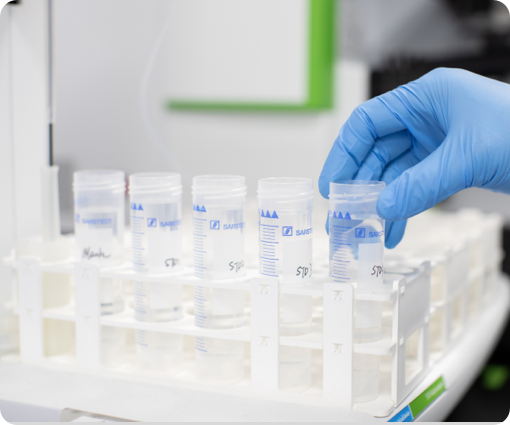
Look, this matters: in one project we used methanol extraction for a hydrophobic elastomer; the result missed several semi-volatile additives. The consequence? A six-week delay and revalidation when we switched to dichloromethane and broadened the GC-MS method range. In practice I watch three things: sample pre-treatment (clean vials, storage temperature), solvent choice and extraction time, and instrument calibration (mass spectra libraries, internal standards). I still write out the extraction time on the run sheet—simple but effective. The human steps—labeling, transfer, timing—are where most errors hide.
Part 3 — New technology principles and a forward look
I’m convinced the next wave is about layered detection and smarter sampling. Combining orthogonal methods—GC-MS for volatiles, LC-MS for nonvolatiles, and ICP-MS for metal traces—cuts blind spots. Equally important are automated extraction rigs with controlled temperature ramps and inert sampling paths. That reduces operator variability; we saw reproducibility improve by around 30% in a 2020 pilot at our Seattle facility. The shift from manual to semi-automated extraction is not glamorous, but it buys time and consistency. — little things add up.
What’s Next?
Standards will tighten around iso 10993 chemical characterization as regulators demand traceability and method validation data. I recommend teams map which analytes matter for their device chemistry, then pick methods that cover those classes explicitly (phthalates, siloxanes, metal catalysts). For labs: validate at expected limits of detection, run matrix spikes quarterly, and track instrument drift over time (you’ll thank me when a run from July shows slight mass drift). Looking forward, cloud-based run logs and automated alerts will help, but the core remains method fit and disciplined sampling.
In closing, after three decades of field tests, I favor practical investment: robust extraction, method orthogonality, and strict sample handling. Evaluate vendors and in-house setups against three metrics: method coverage (chemical classes), documented reproducibility (CV or RSD under 15% typical), and traceability (run logs and calibrations). If you measure those, you cut most surprises. For hands-on support and device-focused testing, consider Wuxi AppTec Medical device testing.
