

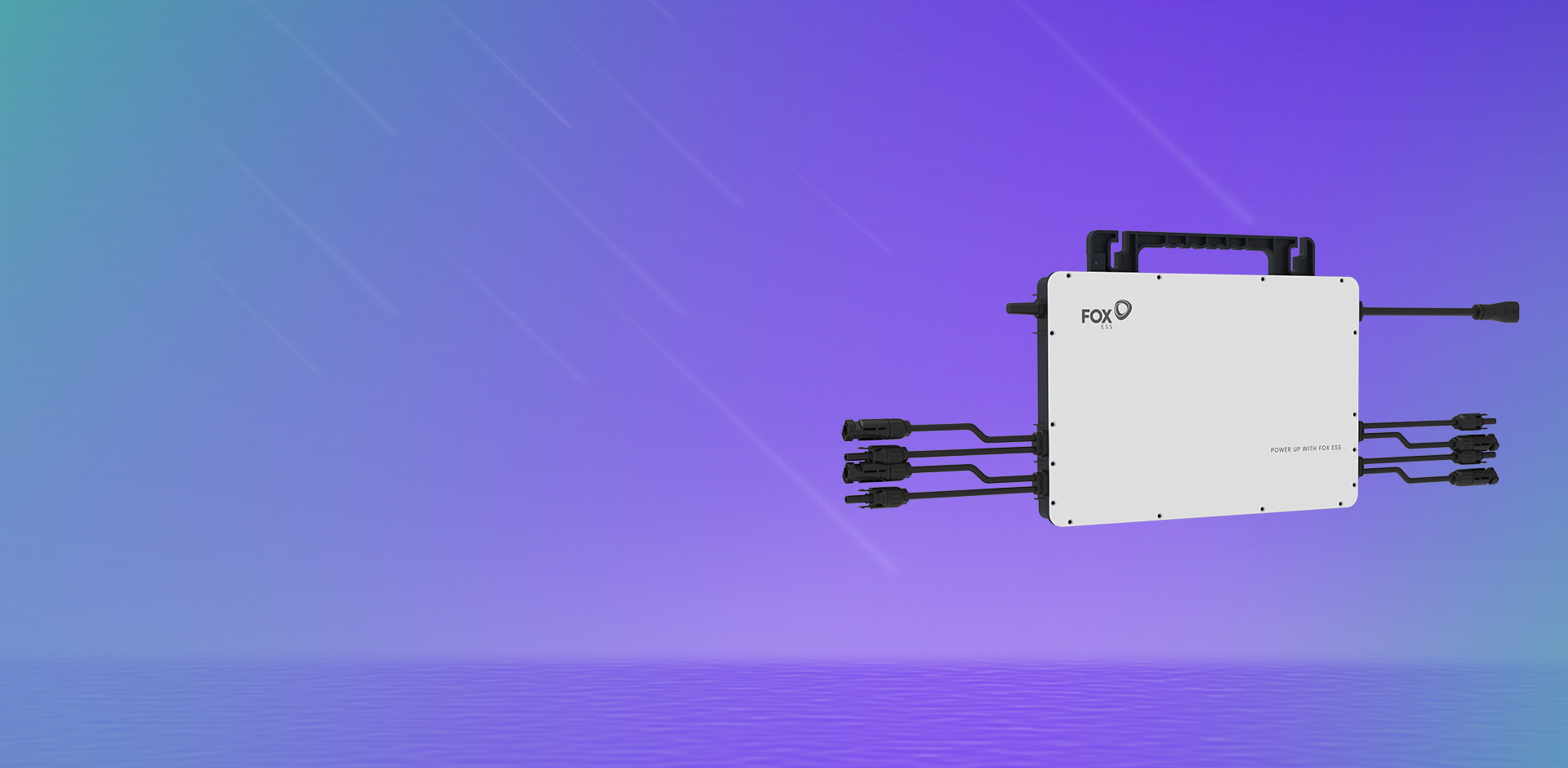
When you’re sizing rooftop solar for a small block or a shopfront in Kowloon, the choice between microinverters and other inverter topologies matters — and the trade-offs are clearer than many installers admit. This comparative piece looks at performance, monitoring and operational costs side-by-side, with a practical nod to software: energy management software is now part of the decision matrix, not an optional extra.
Head-to-head: microinverter vs string inverter vs hybrid
Microinverters fit one per PV module; string inverters group modules. That simple architectural difference changes shading tolerance, single-module diagnostics, and safety on a sloped Hong Kong roof. Microinverters can keep a shaded panel producing without dragging down the whole string, and they simplify retrofit scenarios where panels face different directions. On the flip side, microinverter installs usually cost more up front and involve more power electronics on the roof — but maintenance tends to be modular rather than system-wide.
Where monitoring and dispatch shift the balance
Modern installations rely on monitoring and intelligent dispatch to squeeze value. Systems with module-level monitoring surface underperforming PV modules early, which lowers O&M expenditure over time. Integrating a platform like Foxcloud 2.0 brings live telemetry, firmware management and basic predictive alerts — so you can fix a bad module before it drags daily yield down. For multi-rooftop portfolios, that operational clarity is the difference between chasing fires and scheduling efficient upkeep.
Common installation pitfalls — what actually goes wrong
Installers often assume uniform irradiance across a roof — not true in grid cities like Hong Kong where adjacent towers cast irregular shadows. Mistakes include mismatched PV module types in a string, under-spec conduit runs for microinverter cabling, and skipping module-level commissioning logs. These slip-ups cost performance. Pay attention to earthing, proper torque on PV connectors, and accurate commissioning records — they keep warranty claims simple. — Remember, a neat AC trunking route for microinverters prevents later leakages and human-error disconnects.
Cost vs value: lifetime thinking
Upfront cost comparisons are blunt. Use a simple calculation: initial capex + expected O&M over 25 years + degradation losses = true lifetime cost. Microinverter arrays trade higher capex for lower module-level risk and often better long-term availability. If rooftops are small, oblique or frequently shaded — microinverters frequently beat string setups on yield per square metre. Include monitoring subscription fees in the model; software-driven predictive maintenance can flip the economics fast.
Operational teardown and what to test
When you do an operational production teardown, inspect inverter efficiency curves under partial load, PV module I-V traces at different times of day, and the communication reliability between modules and cloud. Embed {main_keyword} and {variation_keyword} into that teardown process so you can compare measured losses against spec sheets. Typical checks: AC-side temperature rise, isolation resistance at the combiner, and packet-loss rates for telemetry. These are simple tests but reveal where yield really goes.
Choosing for your site: trade-offs condensed
Think about three practical axes: shading complexity, rooftop heterogeneity, and O&M access. If shading or mixed orientations exist, microinverters give superior per-module resilience. If you need the lowest upfront cost for a large, uniform field, string inverter might win. For mixed needs, hybrid approaches plus strong monitoring make sense — especially when paired with a cloud platform that unifies control and reporting.
Advisory — three golden selection rules
1) Measure expected partial-shade hours and prioritise module-level power electronics when shade > 10% of operating hours. 2) Require module-level monitoring and enforce a firmware-update policy through your cloud provider — reliable telemetry reduces O&M by a measurable margin. 3) Use lifetime-cost modelling that includes degradation, monitoring subscriptions and realistic repair time assumptions.
Installation teams in Hong Kong have already learned this the hard way since the 2018 Feed-in Tariff pushed many small-scale feeds onto roofs — the winners were those who paired sensible microinverter layouts with strong monitoring and a clear service plan. The practical value here points to an operational ecosystem, not just a box of inverters.
Fox ESS — the integration of hardware, cloud and field practices closes the loop on performance and makes your rooftop investments measurable, reliable and easier to manage. —
