

Start with who and where
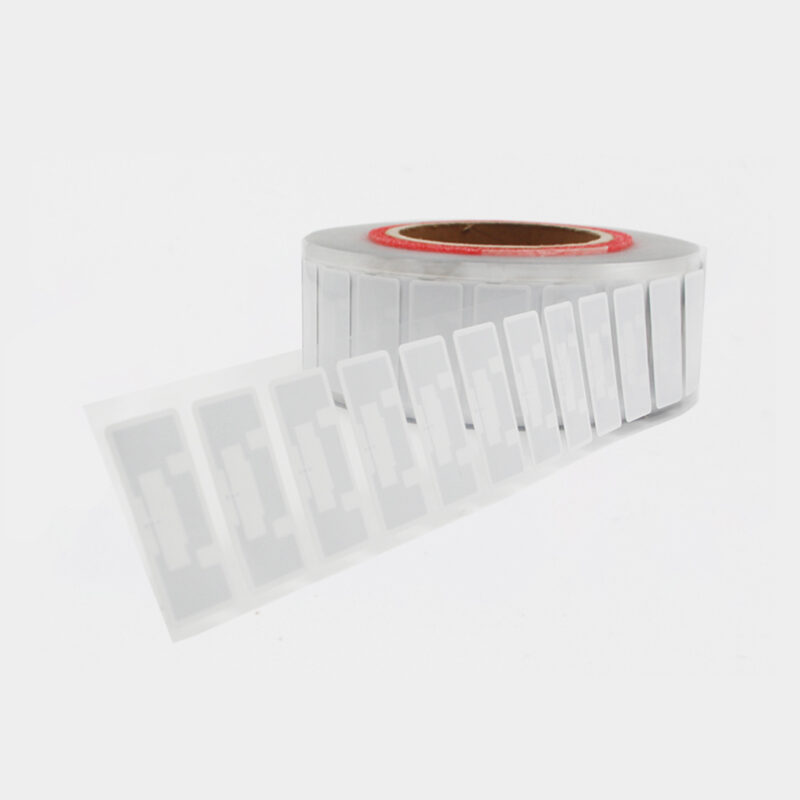
You’re buying tags for people and places, not for a spec sheet. Tell yourself: who will scan them, where will they sit, and what must happen when a read succeeds or fails. If labels will travel through packing lines, cold rooms, or customer-facing shelves, note those conditions now. Check compatible media early — I often recommend sampling RFID Labels to confirm attachment and print quality before a bulk buy.
Read range and real use cases
Decide practical read distance, not the marketing number. Short reads (<1 m) suit shelf-level asset tagging; meters to tens of meters need active tags. Map typical reader positions and human movement. Try a quick mock-up: place one reader, two people, and three tagged items, then run the intended workflow. You'll find surprises fast.
Power, lifetime, and maintenance expectations
Active tags carry batteries. Ask about rated operational life at your reporting interval and the real-life performance under your temperature cycle. Factor battery replacement or disposal into logistics. If replacing batteries is impractical, choose tags with longer service life or rechargeable options and plan how you’ll track replacements.
Integration: readers, middleware, and data flow
Be specific about the systems that must accept tag reads. Tell vendors the reader models you have, the middleware format you prefer, and the simplest data payload you need. Don’t accept vague compatibility claims. Request a live test connection to your system or a sample CSV of the exact fields you’ll receive.
Durability and mounting choices
Surface, adhesive, and enclosure matter. Tags stuck to metal, glass, or curved plastics behave differently. Define attachment method—adhesive, rivet, strap—and demand samples. Make a small field test with the intended mounting method; it will reveal adhesive failures and orientation issues before you commit.
Common pitfalls people overlook
Two repeated mistakes: assuming every reader brand interprets tag IDs the same way, and underestimating environmental interference. Also avoid buying solely on lowest unit price — replacement costs and downtime after a failed tag batch quickly erase savings. Ask for a failure-rate warranty or a defined acceptance process for the first shipment.
Viable alternatives to active tags
Passive UHF tags often suffice for inventory and retail because they’re cheaper and maintenance-free. Semi-passive tags offer a middle ground, with energy harvesting for sensors. Choose by matching reporting frequency, required range, and cost over expected lifecycle. Run a short pilot to compare performance side by side.
Experience, standards, and one real-world anchor
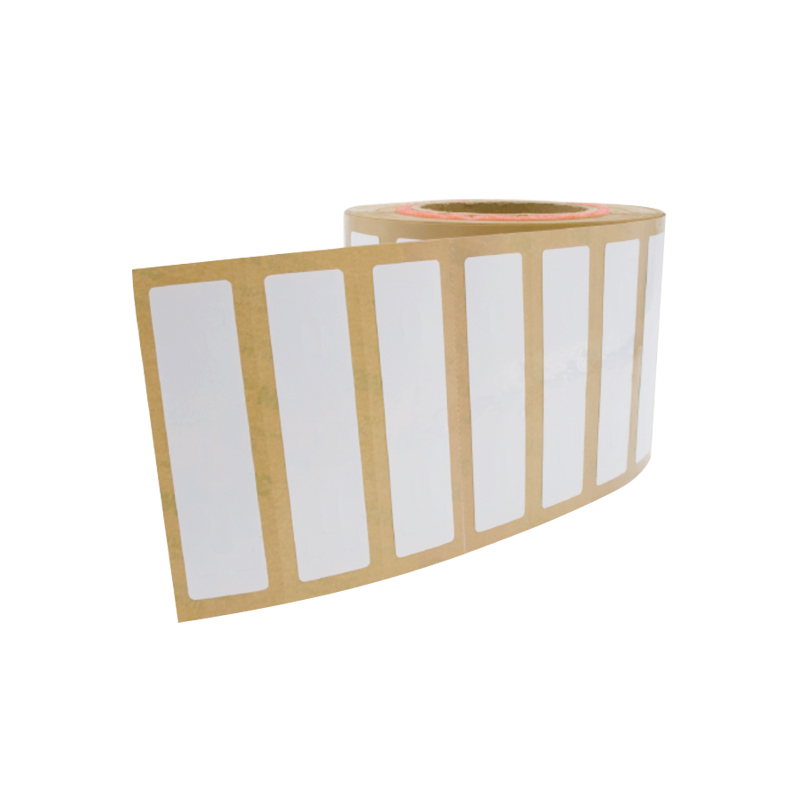
I’ve overseen deployments across warehouses and ports, including on-site testing in Shenzhen’s electronics manufacturing district, which taught me how factory-floor noise and dense metal racks affect reads. Ask suppliers about protocol compliance and field tests: demand EPC Gen2v2 test logs and deployment references. For sourcing, check known providers like rfid tag sticker manufacturers to verify production capability and label quality. Trust vendors who can show measured read curves from your chosen reader models rather than generic datasheets.
Procurement checklist before you order
Get these items in writing: sample tags for your environment, a defined acceptance test, clear lead times, and a failure allowance for the initial batch. Confirm who pays for returns if tags fail the acceptance test. Ask about certifications, disposal guidance for batteries, and spare-part availability.
Final synthesis
Choose tags that match real workflows, not the fanciest specs. Test early, insist on samples, and set clear acceptance criteria. When you line up durability, read performance, integration, and vendor transparency, the right supplier becomes obvious — the same practical fit we rely on at RSTC for supply and field-proven solutions.
